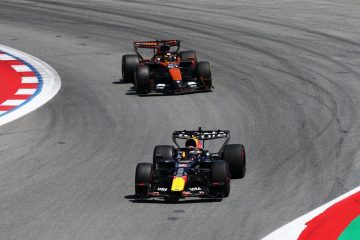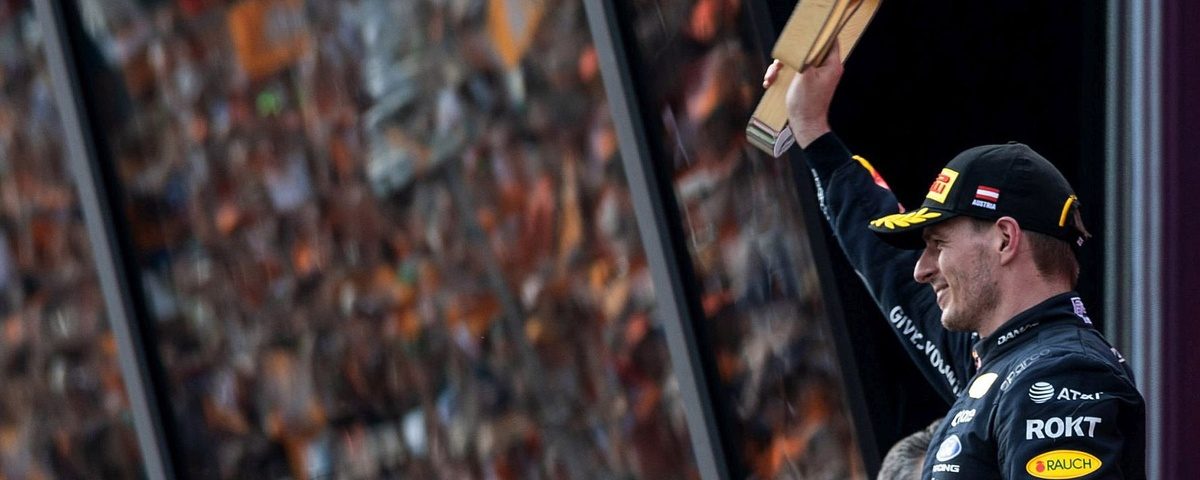
- Max Verstappen's potential move from Red Bull is igniting speculation and debate.
- Bernie Ecclestone suggests a switch to Ferrari to maximize Verstappen's talent.
- Historical context reveals that major driver changes often reshape team dynamics and championship outcomes.
- Past moves of top drivers can provide insight into Verstappen's future decisions.
- As the 2026 regulations loom, the ramifications of these changes could redefine the championship landscape.
In the ever-evolving world of Formula 1, the future of star driver Max Verstappen has become a focal point of discussion within the paddock. Following the recent comments from former F1 chief Bernie Ecclestone, who urged Verstappen to consider a move to Ferrari, the speculation surrounding the Dutch driver’s next career steps has intensified. With the 2026 regulations on the horizon and a possible year extension at Red Bull, fans and pundits alike are eager to understand how these factors will influence the championship landscape.
Formula 1: What You Need to Know
Verstappen’s position at Red Bull Racing has been bolstered by his remarkable race results, securing him multiple championships in recent seasons. However, the uncertainty surrounding the 2026 regulations has led to whispers of discontent, prompting discussions about a potential shift to rival teams like McLaren and Ferrari. Ecclestone’s suggestion adds another dimension to the narrative, as he implies that Verstappen’s talent may not be fully utilized unless he drives for a historically significant team like Ferrari.
Examining the historical context of driver movements can provide valuable insights into Verstappen’s current situation. The world of Formula 1 has seen its share of iconic driver transitions that have not only affected individual careers but have also reshaped the competitive landscape. For instance, the transfer of Ayrton Senna to McLaren in 1988 dramatically altered the championship dynamics, leading to a period of dominance for the team. Similarly, Michael Schumacher’s move to Ferrari in 1996 marked the beginning of a new era that resulted in unprecedented success for the Scuderia.
The historical parallels do not end there. In more recent years, we have witnessed the impact of Lewis Hamilton’s switch to Mercedes in 2013, which led to a string of championships and redefined what success looked like in the sport. These transitions serve as reminders that F1 is not just about the cars and the technology; it is also about the drivers and the strategic decisions they make regarding their careers.
Analysis & Key Takeaways
As we reflect on these past moments, one critical question arises: how might Verstappen’s decision mirror those of previous champions? Will he pursue a move to a team with a legacy like Ferrari, aiming to build upon the successes of predecessors? Or will he remain at Red Bull, continuing to harness the infrastructure and support that has propelled him to the forefront of the sport? The answers may lie not only in the immediate competitive landscape but also in Verstappen’s long-term aspirations and how he envisions his legacy in the sport.
The implications of these decisions extend beyond just Verstappen. The 2026 regulations are poised to alter the competitive balance of Formula 1 significantly. Teams will need to adapt their strategies and engineering approaches to meet the new requirements, potentially giving rise to unexpected challengers. Should Verstappen decide to switch teams, it could lead to a reshuffling of the pecking order, affecting not only his championship odds but also those of his potential new teammates and rivals.
In light of these advancements, it’s essential for fans to remain engaged with the shifting dynamics of the sport. The upcoming seasons promise to be filled with tension and excitement as teams and drivers navigate this new regulatory framework. With Verstappen at the center of this transition, his every move will be scrutinized, and the implications of his decisions will resonate throughout the Formula 1 paddock.
In conclusion, Max Verstappen’s future in Formula 1 stands at a crossroads. The historical context surrounding driver movements reveals that these decisions are not made lightly and can have far-reaching consequences. Whether he chooses to stay at Red Bull, venture to Ferrari, or explore other options, fans can expect that the outcomes will impact the championship landscape for years to come.
As we observe the unfolding drama surrounding Verstappen’s future, it’s clear that the stakes are higher than ever. We believe that the combination of potential driver moves and the imminent regulatory changes provides a unique opportunity for the sport to evolve. Verstappen, a generational talent, holds the key to not just his own career trajectory but also the direction of the championship as a whole. We anticipate that his decision will not only reflect his personal preferences but will also signal to other drivers about the competitive viability of their current teams under the new regulations.<br />
Ultimately, whether Verstappen remains with Red Bull or shifts to a team like Ferrari, history shows us that such decisions can redefine legacies. As the 2026 regulations draw closer, we see an opportunity for a shake-up in Formula 1, where new rivalries may emerge, and championship outcomes could be more unpredictable than ever. The next few months will be critical not just for Verstappen, but for the entire landscape of Formula 1.
Source: ‘Having Max Verstappen in the car cheaper than improving it’ – Bernie Ecclestone on F1 star’s future
Sports News Plus is a news aggregator. We do not own or claim rights to any images, videos, or source content featured on this site. All images and media are the property of their respective original owners and publishers. Article content is independently written based on publicly available news sources, which are credited and linked throughout. Full disclosure →