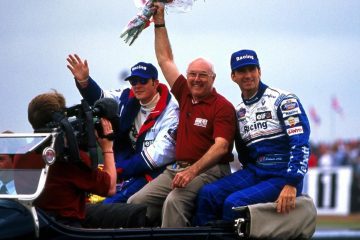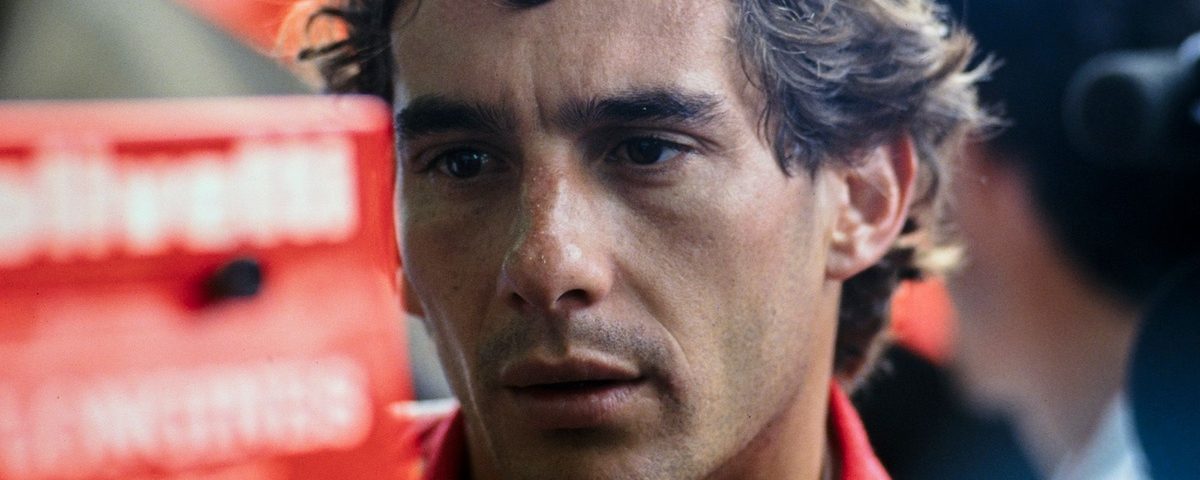
- Ayrton Senna expressed interest in joining Ferrari before the 1994 season.
- Jean Todt revealed this during a recent podcast appearance.
- Senna's potential switch highlights Ferrari's struggles in the 1990s.
- Historical comparisons show similar driver transfers with mixed outcomes.
- Understanding these dynamics sheds light on today's Formula 1 landscape.
Formula 1 In a recent revelation, Jean Todt, the former team principal of Ferrari, disclosed that legendary driver Ayrton Senna wanted to make a switch to the Maranello team before signing with Williams in 1994. This intriguing insight into one of Formula 1’s most iconic figures sheds light on the ambitions and challenges Ferrari faced during the early 1990s. Senna’s interest in joining Ferrari was not just a fleeting thought; it was part of a larger narrative about the Brazilian driver’s career and the state of Formula 1 at that time.
Senna, known for his fierce competitiveness and unparalleled talent, was a primary target for Ferrari as they attempted to rebuild their image after a series of underwhelming seasons. The late 1980s and early 1990s were tumultuous for the Scuderia, marked by a lack of championship success and internal challenges. Todt’s comments provide a window into the strategic maneuvers that were commonplace during this era, emphasizing how even the most celebrated drivers had their sights set on Ferrari—a team that, despite its storied history, was in desperate need of revitalization.
Historical Context: Driver Transfers and Team Dynamics
Senna’s desire to join Ferrari is reminiscent of other pivotal moments in Formula 1 history where star drivers contemplated team switches. One striking example is Alain Prost’s move from McLaren to Ferrari in the early 1990s. Much like Senna, Prost was lured by the allure of driving for a prestigious team during a time when they were struggling to find their footing. The outcome of Prost’s tenure at Ferrari was a mixed bag; while he did achieve race victories, the championship remained elusive, showcasing the inherent risks and challenges that come with joining a team in transition.
Another noteworthy comparison is Michael Schumacher’s dramatic switch from Benetton to Ferrari in 1996. At the time, Ferrari was seen as an underdog in the championship race. Schumacher’s move was part calculated gamble and part belief in Ferrari’s potential for greatness. Historical outcomes tell us that such transfers can lead to immense success, as evidenced by Schumacher’s eventual dominance with the Scuderia, culminating in five consecutive championships from 2000-2004.
What does history tell us about Senna’s situation? The sport has often seen drivers switch teams with the hope of finding the right synergy to achieve championship glory. While some moves lead to immediate success, others result in frustrating seasons filled with missed opportunities. The common thread in these narratives is loyalty—the desire of drivers like Senna to be part of a team that aligns with their ambitions and values.
The Legacy of Senna’s Aspirations
Senna’s potential switch to Ferrari invites us to reflect on the legacy left by both the driver and the team. Although he ultimately signed a contract with Williams, which he believed was the best opportunity for a championship run, the allure of Ferrari persisted throughout his career. The passion and dedication that Senna displayed throughout his life are mirrored in Ferrari’s ongoing quest for excellence in Formula 1.
As we look at the current landscape of Formula 1, the dynamics of driver transfers remain as critical as ever. The prominence of teams like Mercedes and Red Bull Racing in recent seasons has shifted the focus away from traditional powerhouses, demonstrating that the quest for supremacy in Formula 1 is a continuous cycle marked by ambition, strategy, and occasionally, heartbreak.
In today’s competitive environment, where driver contracts are often dictated by performance and team stability, Senna’s story serves as a reminder of the delicate balance between individual aspirations and team needs. While Senna may have never raced for Ferrari, his legacy endures as a benchmark for future generations of drivers who aspire to leave their mark in the annals of Formula 1 history.
Though Senna’s ambitions went unfulfilled, the narrative of his career continues to resonate, inspiring both fans and aspiring drivers alike. Understanding this historical context enriches our appreciation of Formula 1, providing insight into the motivations that drive its most celebrated figures.
We believe that Jean Todt's revelation not only sheds light on the ambitions of Ayrton Senna but also highlights the perennial challenges faced by marquee teams like Ferrari. The longing for a star driver often stems from a deeper desire to rekindle past glories while navigating the complex dynamics of modern motorsport. This is a narrative we've seen play out time and again in Formula 1 and one that raises important questions about the future of team strategies and driver relationships.<br />
Moreover, as we head into the 2024 season, the current landscape demands that teams adapt quickly to remain competitive. The lessons learned from the past, such as the importance of nurturing talent and embracing innovation, will undoubtedly shape the strategies that teams adopt moving forward. The allure of Ferrari will always be strong, but it will require a blend of ambition, strategy, and perhaps a bit of luck to truly reclaim its position at the pinnacle of the sport.
Source: Ayrton Senna wanted Ferrari switch before 1994 Williams deal, says Jean Todt
Sports News Plus is a news aggregator. We do not own or claim rights to any images, videos, or source content featured on this site. All images and media are the property of their respective original owners and publishers. Article content is independently written based on publicly available news sources, which are credited and linked throughout. Full disclosure →