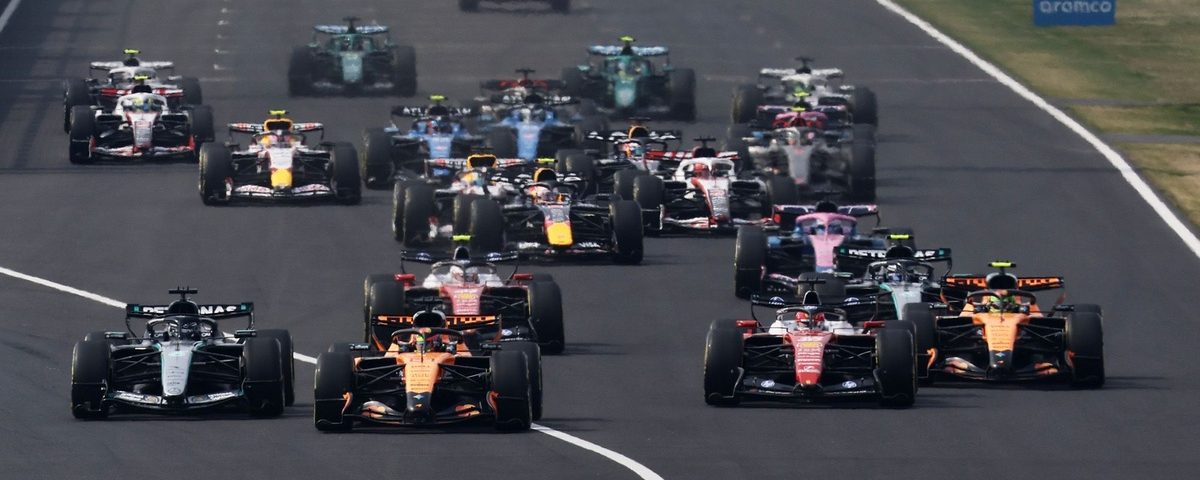
- Formula 1 is expanding its calendar to a maximum of 24 races, reflecting its growing global appeal.
- New cities and countries are vying for a chance to host a Grand Prix, creating a competitive environment.
- Fans express mixed feelings about the increased number of races affecting team performance and championship integrity.
- Social media debates center around the impact on drivers' physical demands and the sustainability of such a busy schedule.
- As interest swells, the uncertainty surrounding race results could redefine the championship narrative moving forward.
On April 19, 2026, the Formula 1 community was buzzing with the news of an ambitious plan to fill its calendar with 24 races, a landmark decision that showcases the sport’s remarkable growth. The Formula 1 governing body, along with team principals, has been evaluating potential new venues across various continents, aiming to capitalize on the heightened interest among host cities and nations. This effort signifies more than just an increase in race days; it represents a pivotal moment for the championship and its dedicated fan base, which is now more vocal than ever regarding the implications of such a change.
The rationale behind expanding the Formula 1 schedule is multifaceted. The sport has seen a meteoric rise in popularity, reflected in record viewership numbers and attendance figures at races. Cities across the globe are recognizing the economic potential of hosting a Grand Prix, leading to a surge of interest from governments and local sponsors eager to showcase their regions on a world stage. However, as the calendar fills, the competition for coveted race slots intensifies, and not every bid will come to fruition.
Yet, this push for more races is not without its detractors. Fans have taken to social media to voice their opinions, debating the merits of an expanded calendar. While some enthusiasts welcome the idea of more racing—hoping to see their favorite teams and drivers compete more often—others express concern about the physical toll it may take on drivers and the potential dilution of the championship’s prestige. The discussion has sparked a larger conversation about what it means to be a Formula 1 fan today.
Fan Reactions to the Expanding Schedule
The sentiment among fans regarding the 24-race calendar is decidedly mixed. On platforms like Twitter and Reddit, supporters are articulating both excitement and apprehension. Many fans are enthusiastic about the prospect of more races, particularly those who feel their favorite teams aren’t always in the spotlight. The idea of an expanded championship season presents a tantalizing opportunity for rivalries to develop and for underdog teams to have more chances to shine.
However, there is a palpable concern that the sheer volume of races could lead to fatigue—not only for the drivers but also for the audience. The debate centers on the impact of such a packed schedule on the quality of the races themselves. Will fans be able to keep up with the intense pace, or will the thrill of Formula 1 be compromised by oversaturation?
Discussions also delve into the implications for teams’ strategies during qualifying and race days. A longer season could mean that teams with larger budgets and resources will benefit, potentially skewing championship results in favor of the well-funded outfits. Fans of lower-budget teams worry that their chances for a race result could diminish as the season progresses, leading to a less competitive environment overall.
The Broader Implications for the Championship
As Formula 1 charts this ambitious path, the long-term consequences may reshape the championship landscape in unpredictable ways. The increase in race weekends could potentially alter how teams manage their resources, manage driver fatigue, and strategize for qualifying sessions. Each race weekend will require meticulous planning to ensure that every driver and team can perform at their best, without succumbing to exhaustion or mechanical failure.
Moreover, the prospect of more races raises questions about the sustainability of the sport. Will the environmental impact of increased travel and logistics be addressed, or will fan enthusiasm overshadow these growing concerns? As Formula 1 captures more global attention, it must grapple with balancing growth with responsibility.
In summary, the decision to expand to a 24-race calendar is a bold move for Formula 1, one that could significantly influence the championship’s dynamics. As fans continue to express their views, it remains to be seen how these changes will affect team performance, race results, and the overall enthusiasm for the sport.
We find ourselves at an intriguing crossroads in Formula 1's history. The ambition to expand the race calendar to 24 events raises valid concerns regarding both the competitive integrity of the championship and the physical demands placed on drivers. While the allure of more races certainly adds excitement, it is crucial to consider the ramifications of such an expansion on teams with fewer resources. Will the playing field truly remain level?<br />
Moreover, the evolution of sports viewership in the digital age presents another layer of complexity. As fans increasingly consume content online, the potential for burnout from an overcrowded calendar could impact engagement levels. We must remain vigilant in our analysis of how this expansion unfolds, anticipating that the balance between growth and quality will be a key theme in the coming seasons.
Source: What's behind F1's long-term push to fill its 24-race calendar
Sports News Plus is a news aggregator. We do not own or claim rights to any images, videos, or source content featured on this site. All images and media are the property of their respective original owners and publishers. Article content is independently written based on publicly available news sources, which are credited and linked throughout. Full disclosure →