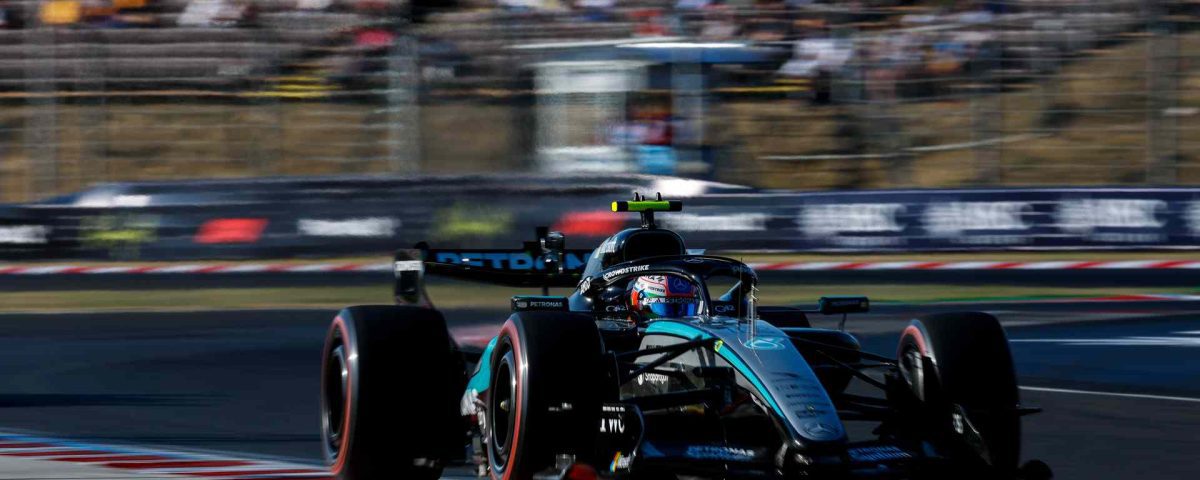
- Recent discussions on yellow flag usage in Formula 1 qualifying raise safety concerns.
- The current system may affect race results and driver performance under pressure.
- Teams could face strategic dilemmas during qualifying sessions due to flag protocols.
- Fan expectations may shift as safety protocols come under scrutiny.
- Future races could see altered qualifying formats if safety measures are re-evaluated.
In recent discussions within the Formula 1 community, significant concerns have emerged regarding the use of yellow flags during qualifying sessions. The debate centers around whether the existing protocols adequately safeguard drivers amidst the intense competition. This discussion gained momentum following a series of incidents across recent races, particularly highlighted during the 2026 season, where yellow flags played a pivotal role in shaping qualifying outcomes. As teams prepare for the next round of the championship, the implications of these concerns ripple across the grid.
Formula 1: What You Need to Know
Yellow flags are deployed in Formula 1 to caution drivers of hazards on track, demanding a reduction in speed and adherence to specific regulations. However, the effectiveness of these flags during qualifying—where every millisecond counts—has become a point of contention. Drivers often find themselves in a precarious position, needing to balance the urgency of securing optimal lap times against the necessity of exercising caution. The pressure cooker of qualifying, combined with the unpredictability of yellow flags, raises questions about whether current practices truly prioritize driver safety.
The potential impact of this ongoing debate is significant as it unfolds against the backdrop of a tightly contested championship. With upcoming fixtures in high-stakes venues like Monza and Silverstone, the pressure on drivers to perform under adverse conditions only heightens. Teams have begun to reassess their qualifying strategies, weighing the risks associated with pushing boundaries against the imperative of safety compliance. As the narrative develops, it’s crucial to consider how these factors may influence the standings moving forward.
One immediate consequence of this discourse could be regulatory changes. If the FIA decides to revise the yellow flag protocol, teams might need to adapt their qualifying approaches. For instance, a more stringent interpretation of yellow flags could lead to fewer instances of drivers pushing their limits during crucial sessions. This, in turn, could alter race results, ultimately affecting overall championship standings. A shift in strategy could cultivate a more conservative driving style during qualifying, thereby impacting the thrilling on-track battles fans have come to expect.
Analysis & Key Takeaways
Moreover, fans’ expectations are likely to evolve as well. Supporters of the sport revel in the drama and excitement of close qualifying sessions, where split-second decisions can determine grid positions. However, as safety concerns take center stage, a growing faction may prioritize driver welfare over nail-biting qualifying sessions. This cultural shift could further complicate the relationship between fans and the sport, leading to discussions around what constitutes an acceptable compromise between safety and spectacle.
What happens next remains to be seen, but as the season progresses, the ramifications of these discussions surrounding yellow flags could reshape not only the qualifying format but also the broader competitive landscape of Formula 1. The FIA may need to explore alternative safety measures, such as enhanced trackside technology or revised flag protocols, to ensure that drivers can perform at their best without compromising their safety.
As we look toward the upcoming races, it is essential to remain vigilant about how these decisions will play out. The championship battle is heating up, and the implications of yellow flag usage could prove pivotal in determining the ultimate race results. Teams and drivers are acutely aware that every detail matters, and as they adapt to any new regulations or protocols, the race for the title will undoubtedly become even more fascinating.
The stakes in Formula 1 are always high, but the debate surrounding yellow flags brings a new layer of complexity to the sport. With both safety and performance on the line, fans and teams alike must navigate the intricate balance of competition. The upcoming races will serve as a litmus test for how well the sport can integrate safety without sacrificing the thrill that has captivated audiences worldwide.
We believe that the ongoing dialogue about yellow flags and their impact on qualifying is more than just a technical discussion; it reflects a broader evolution in the sport. As F1 continues to grow in popularity, the balance between safety and the high-octane excitement that fans crave will always be in flux. It’s crucial for the FIA to strike a balance that maintains the adrenaline rush of qualifying while ensuring that drivers can operate in a safe environment.<br />
Moreover, this situation presents a unique opportunity for teams to innovate. Perhaps we will see technological advancements in qualifying strategies that better account for safety measures without sacrificing performance. As new safety protocols are established, the adaptability of teams and their drivers will be tested like never before. This may lead to a more strategic, calculated approach to qualifying that aligns with the evolving landscape of Formula 1.
Source: Featured Comment: Is F1’s use of yellow flags in qualifying a safety concern? | Brief
Sports News Plus is a news aggregator. We do not own or claim rights to any images, videos, or source content featured on this site. All images and media are the property of their respective original owners and publishers. Article content is independently written based on publicly available news sources, which are credited and linked throughout. Full disclosure →