- Formula 1 is considering European venues to replace the last two races of the season.
- This shift could significantly impact championship standings and team strategies.
- The decision hinges on logistics and local regulations affecting COVID-19.
- Key European circuits like Silverstone and Monza are potential candidates for replacement.
- Teams must adapt quickly to new tracks, influencing race results and qualifying strategies.
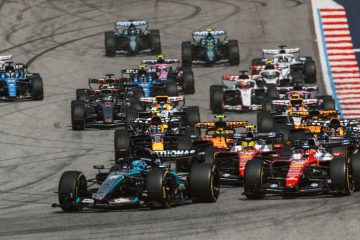
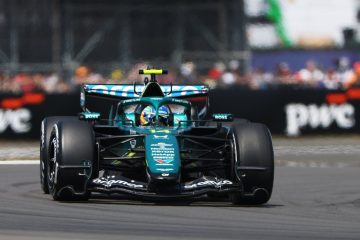
In a recent statement, Formula 1 CEO Stefano Domenicali revealed plans to potentially replace the final two rounds of the 2026 season with races in Europe. This contingency arises from uncertainties surrounding travel and race logistics, especially given the ongoing global challenges that have disrupted the sport in previous seasons. If implemented, this shift could dramatically alter the championship landscape as teams scramble to adapt to new tracks.
Formula 1: What You Need to Know
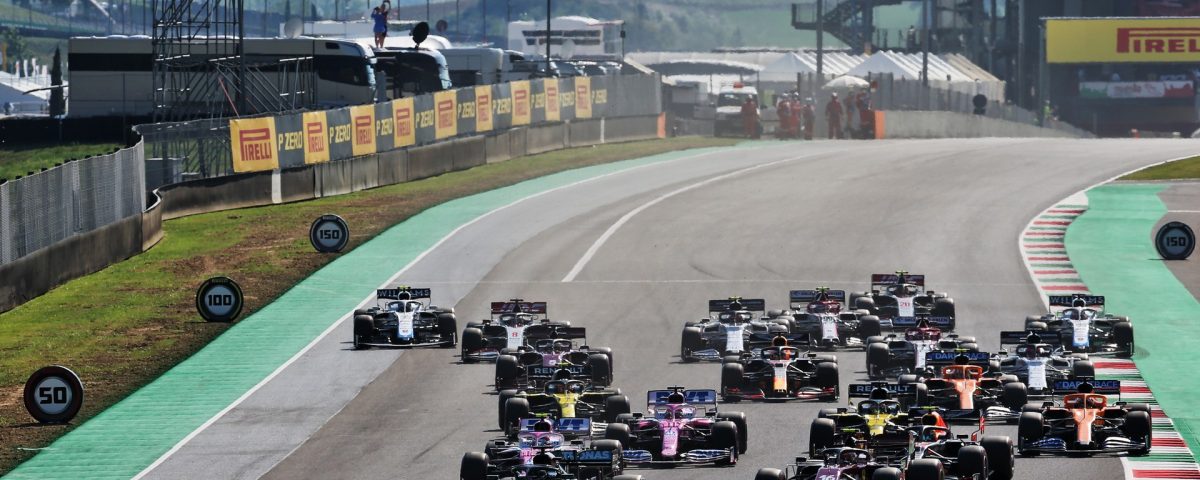
The potential venues for these races include iconic circuits such as Silverstone, Monza, and Barcelona, each offering unique challenges that could favor different teams based on their car characteristics and driving styles. The decision to pivot to European races underscores the sport’s adaptability, but also raises questions about the impact on the championship race and qualifying dynamics as the season approaches its climax.
One of the crucial aspects of this scenario is the varying characteristics of European tracks. For instance, Silverstone’s high-speed corners and flat layout favor teams with strong aerodynamic packages. Conversely, Monza’s emphasis on straight-line speed could benefit teams like Ferrari, who historically perform well there. These nuances could shake up the race results considerably if teams are forced to alter their strategies at the last minute.
As we approach the final stages of the championship, every point counts. Teams are continuously analyzing data to optimize their performance for upcoming races. If the final races shift to new venues, teams will need to adjust their qualifying strategies and race setups accordingly. The ability to adapt quickly will be paramount; those that can effectively recalibrate their approaches to fit the unique demands of the new tracks may find themselves in advantageous positions.
Another layer of complexity arises from the qualifying sessions. The unpredictability of a new circuit means that teams will have less data to analyze before the race weekend, potentially leading to surprising qualifying results. This element of uncertainty can turn the championship on its head, as we’ve seen in past seasons when unexpected weather conditions or mechanical issues have influenced race outcomes.
Analysis & Key Takeaways
Furthermore, the logistical challenges of organizing races at short notice cannot be overlooked. The teams, along with F1 management, must navigate complex regulations and travel restrictions that vary from country to country. The impact of these regulations could determine which venues are viable options for replacement races.
In addition to logistical hurdles, the fan experience plays a significant role in these decisions. European circuits are known for their passionate fanbases, and hosting races in these locations could bolster attendance and viewership. However, the current climate means that safety protocols will still be a priority, potentially limiting crowd sizes and altering the atmosphere at these iconic venues.
The strategic implications of replacing the final races with European circuits are vast. Teams will have to engage in a comprehensive analysis of tire compounds, fuel strategies, and car setups tailored to the new environments. The championship contenders will be particularly focused on maximizing their performance during these critical races, as any slip-ups could prove costly in the tightly contested battle for the title.
As Formula 1 navigates this evolving landscape, the decisions made in the coming weeks will have lasting repercussions for the teams, drivers, and fans alike. The prospect of races in Europe, while exciting, also embodies the uncertainty that has defined sports in recent years. If executed well, these alternative races could provide thrilling spectacles as the championship race reaches its climax.
In summary, the idea of replacing the final two races of the Formula 1 season with European events presents both opportunities and challenges. As teams prepare for the unexpected, the intricacies of race strategy and qualifying could redefine the championship narrative, leading to an exhilarating and unpredictable finish to the season.
In our view, the potential for European races to replace the final rounds of the Formula 1 season is a double-edged sword. While it offers the thrilling prospect of historic tracks hosting pivotal races, it also introduces a level of unpredictability that could skew the championship standings significantly. Teams that have established themselves at specific circuits may find themselves at a disadvantage if they suddenly have to adapt to a venue where others excel.<br />
Moreover, this situation could serve as a pivotal moment for the sport itself. A successful adaptation to these changes may illustrate Formula 1's resilience and flexibility, enhancing its reputation as a leading sporting series. Conversely, if the transition proves chaotic, it could lead to criticisms about race management and planning. As fans, we should prepare for a potentially dramatic finish to the championship, with new tracks and strategies altering the course of the season in ways we can only begin to imagine.
Source: Where in Europe should F1 race if the final two rounds cannot go ahead? | Debates and Polls
Sports News Plus is a news aggregator. We do not own or claim rights to any images, videos, or source content featured on this site. All images and media are the property of their respective original owners and publishers. Article content is independently written based on publicly available news sources, which are credited and linked throughout. Full disclosure →