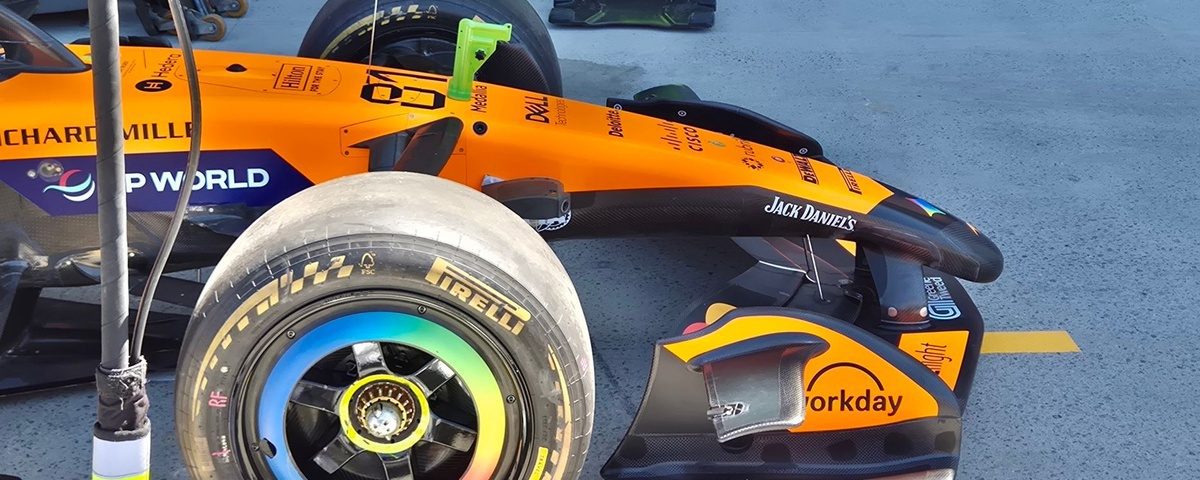
- McLaren's new front wing was removed before qualifying at the Canadian Grand Prix.
- The team introduced a broader upgrade package that includes other components.
- Competing teams may gain an advantage from this unforeseen setback.
- Changes in performance will impact the team's standing in the championship.
- Fan expectations will shift as McLaren navigates future races and upgrades.
Formula 1 In an unexpected turn of events, McLaren has decided to withdraw its new front wing ahead of the sprint qualifying at the Canadian Grand Prix, which took place on May 23, 2026, in Montreal. This decision follows the team’s introduction of a significant upgrade package during the Miami race, which they had initially touted as a game-changer. While the front wing was considered the centerpiece of this upgrade, McLaren’s recent technical submissions revealed that it encompasses several other components, including a new engine cover and modifications to the rear of the car.
Formula 1: What You Need to Know
This last-minute change raises questions not only about McLaren’s strategy but also about the overall implications for the Formula 1 championship. The team’s performance in Montreal is now shrouded in uncertainty, as the absence of the new front wing could hamper their ability to compete effectively against rivals. McLaren fans and F1 analysts are left wondering how this decision will affect the upcoming races and the team’s aspirations for the remainder of the season.
McLaren’s decision to pull back on the front wing highlights the complexities of Formula 1 engineering and the fine margins that can dictate success or failure on race day. The sprint qualifying format amplifies these stakes; with limited time to showcase performance, teams must ensure that every element of their car is functioning optimally. Without the new front wing, McLaren may struggle to achieve the desired race result, potentially affecting their positions in the championship standings.
Looking ahead, the implications of this decision extend beyond just the Canadian Grand Prix. The pressure is mounting as McLaren prepares for upcoming fixtures, including the next race in Austria, where the team will need to reassess their car’s configuration and performance. The championship landscape could shift significantly if McLaren fails to capitalize on points-scoring opportunities in these races.
Analysis & Key Takeaways
Moreover, the engineering team faces an immediate challenge in deciphering whether the adjustments to their package will yield competitive results moving forward. If the absence of the front wing negatively impacts their performance, the team will need to rethink its strategy and could even consider further modifications before the next race weekend. Fans will undoubtedly be eager to see how McLaren addresses these challenges and whether they can recapture momentum in the championship standings.
As the championship season progresses, the importance of each qualifying session becomes even more pronounced. McLaren’s decision to withdraw their front wing could send shockwaves through their fanbase, who will be anxiously monitoring the team’s progress. The fallout from this decision might influence driver morale and team dynamics as they approach crucial races.
In a broader sense, this situation underlines the unpredictability of Formula 1. Teams are often forced to adapt quickly to changing circumstances, and McLaren’s predicament serves as a reminder of the relentless pursuit of performance in a sport where every millisecond counts. As the championship unfolds, we can expect heightened scrutiny of how teams manage their upgrades and the consequences of their engineering choices.
The upcoming races will not only test McLaren’s resolve but also offer an opportunity for rival teams to capitalize on any weaknesses. With the likes of Red Bull and Ferrari poised to take advantage, the championship battle is far from settled. Fans will be watching closely to see how this situation unfolds and whether McLaren can regain its competitive edge.
In summary, McLaren’s decision to withdraw its new front wing before the sprint qualifying event has far-reaching implications for the team’s performance and championship positioning. With the next race on the horizon, the pressure is on the team to adapt and respond to the challenges that lie ahead in the Formula 1 calendar.
From our perspective, McLaren's last-minute decision to withdraw its front wing could serve as a pivotal moment in the 2026 Formula 1 season. While the team may have had high hopes for their upgrade, this setback could potentially reshape their trajectory in the championship. The psychological impact on both the drivers and the engineering team may be significant; moments like these can either galvanize a team or sow seeds of doubt.<br />
Looking ahead, if McLaren doesn't rebound quickly from this misstep, they risk falling further behind in the standings. Competitors are always lurking, ready to pounce on any opportunity. We believe that the team must not only re-evaluate its technical decisions but also enhance its strategic communications to manage fan expectations. Transparency about their performance and upcoming plans may help maintain support during this challenging phase of the season.
Source: Why McLaren removed its new front wing before F1 sprint qualifying in Canada
Sports News Plus is a news aggregator. We do not own or claim rights to any images, videos, or source content featured on this site. All images and media are the property of their respective original owners and publishers. Article content is independently written based on publicly available news sources, which are credited and linked throughout. Full disclosure →