- Max Verstappen is venturing into GT3 racing to explore a more level competitive field.
- The move reflects a broader trend of F1 drivers engaging in diverse racing formats.
- GT3 racing offers unique technical challenges distinct from Formula 1.
- Verstappen's participation could raise the profile of GT3 racing globally.
- The crossover may impact team strategies in both Formula 1 and GT racing in the future.
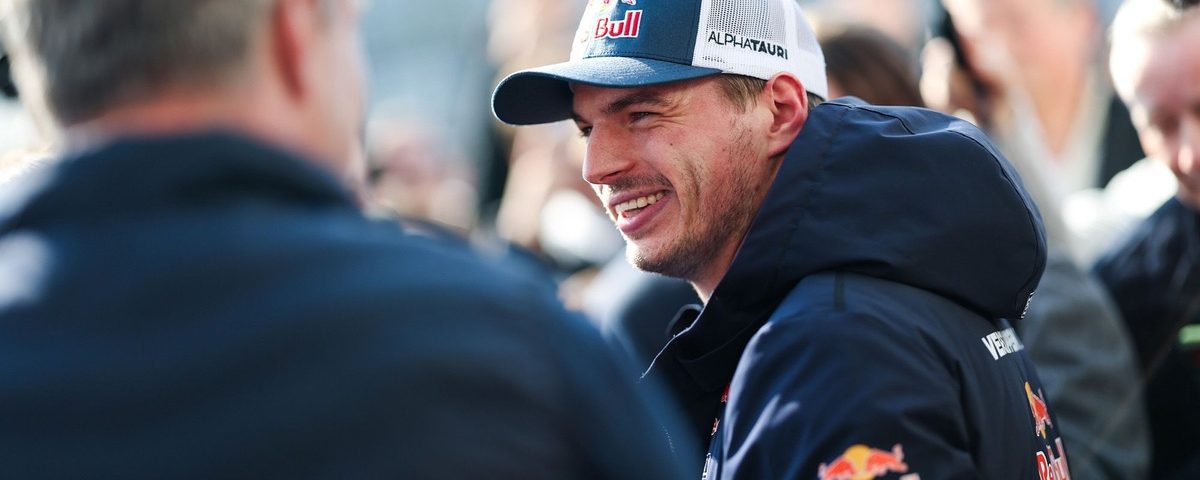
Max Verstappen, the reigning champion of Formula 1, is venturing into the realm of GT3 racing, marking a significant moment for both him and the category itself. Announced recently, this move is part of Verstappen’s quest to experience a different competitive landscape, one that promises a more balanced playing field. While Formula 1 has been the centerpiece of his career, his interest in GT3 signals a shift in how elite drivers may approach racing opportunities outside of their primary championships.
This development gained traction after an interview with Stéphane Ratel, the architect behind the GT3 category. Ratel emphasized that GT3 offers a unique opportunity for drivers like Verstappen to compete on a more equitable stage, contrasting with the often hierarchical nature of Formula 1. As the motorsport world evolves, Verstappen’s interest in GT3 could inspire other drivers to explore different racing disciplines, enhancing the visibility and appeal of GT3 racing.
The allure of GT3 racing lies not only in its competitive balance but also in its diverse technical challenges. Each GT3 vehicle is built with a focus on performance and adaptability, allowing for a range of driving styles and strategies. Unlike the highly specialized and technologically advanced machines seen in Formula 1, GT3 cars are designed to be more user-friendly and approachable, offering a different set of skills for drivers to master.
The Tactical Breakdown: Understanding the Strategic Shift
Verstappen’s entry into GT3 racing presents a fascinating tactical dimension worth analyzing. In Formula 1, the racing dynamic is heavily influenced by aerodynamics, tire management, and real-time strategy, all governed by strict regulations. In contrast, GT3 racing emphasizes endurance, teamwork, and varied track conditions, often requiring drivers to adapt their techniques on the fly.
One of the critical battles in GT3 racing is the endurance aspect, where driver stamina and consistency become pivotal. This is a stark contrast to the sprint-like nature of Formula 1 races, where every millisecond counts in qualifying and race strategy. As Verstappen transitions into this format, he will need to adjust his racing mentality, focusing on maintaining performance over longer stints, something that could provide him with invaluable experience to bring back to the Formula 1 circuit.
Furthermore, the technical setup differences present another layer of strategy. In GT3, the balance between performance and durability is crucial, as teams must optimize their cars for a variety of conditions. Verstappen’s insights from Formula 1 could lead to innovative approaches in GT3 setups, potentially benefiting his own team and influencing how GT teams strategize for races.
Broader Implications for the Motorsport Landscape
The crossover of elite drivers like Verstappen into GT3 racing could herald a new trend in the motorsport landscape. For years, Formula 1 drivers have primarily focused on their championship pursuits, often sidelining opportunities to engage in other forms of racing. However, Verstappen’s willingness to explore GT3 could encourage a cultural shift, where top-tier drivers embrace a more multifaceted racing career.
This trend could have significant implications for the GT3 category itself. The influx of high-profile Formula 1 drivers would likely elevate the competitive standard and attract larger audiences, sponsors, and media attention to GT racing events. As a result, we could witness a ripple effect across various racing disciplines, pushing them to adapt and evolve in response to this newfound interest.
Moreover, Verstappen’s engagement with GT3 could serve as a model for younger drivers aspiring to reach the top of motorsport. It emphasizes that the path to success is not solely through one discipline but can be enriched through diverse racing experiences. This approach could foster a new generation of versatile drivers capable of excelling in multiple formats, enhancing the overall competitiveness and excitement of motorsport.
From our perspective at the editorial desk, Verstappen’s move into GT3 racing is not just a personal venture but a sign of an evolving motorsport ecosystem. We believe that this trend could lead to a renaissance of inter-discipline racing, where the lines separating different formats blur, creating a more vibrant and competitive landscape. Additionally, this crossover could ignite interest among fans who traditionally follow one discipline, encouraging them to explore others.<br />
As we look forward, we foresee an exciting future where Formula 1 stars regularly participate in GT3 events, pushing the boundaries of competition and fan engagement. This could reshape how motorsport is consumed and enjoyed, ultimately enriching the experience for enthusiasts worldwide.
Source: The real reason Verstappen is drawn to GT3 racing
Sports News Plus is a news aggregator. We do not own or claim rights to any images, videos, or source content featured on this site. All images and media are the property of their respective original owners and publishers. Article content is independently written based on publicly available news sources, which are credited and linked throughout. Full disclosure →