- Madrid will host the Spanish Grand Prix for the next decade.
- The event promises a focus on sustainability and accessibility.
- The new venue could impact the race results and championship standings.
- Qualifying strategies will be crucial at the IFEMA fairgrounds.
- Madrid's approach sets a precedent for future F1 venues.
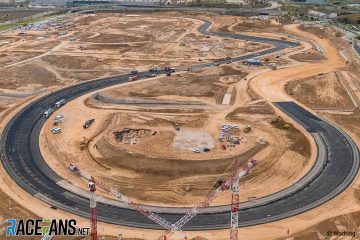
Formula 1 In an exciting development for motorsport enthusiasts, Madrid has been awarded the rights to host the Spanish Grand Prix for the next ten years. This significant transition from Barcelona to Madrid marks a pivotal moment in Formula 1, with the inaugural race scheduled to take place at the IFEMA fairgrounds near Barajas International Airport. The event is set to begin in just under three months, promising to blend the thrills of racing with a commitment to sustainability and accessibility.
Formula 1: What You Need to Know
Located in one of Europe’s most vibrant cities, the Madring has ambitious plans to cater to both local fans and international visitors. The organizers are keen to make the event not just a race but a festival that encapsulates the spirit of Formula 1. With the championship race results influenced by this new venue, teams will be strategizing to adapt their cars for the unique challenges posed by the IFEMA circuit.
One of the key aspects of this transition is the focus on sustainability. The Madrid Grand Prix aims to set a benchmark for future races by integrating eco-friendly practices into the event. As Formula 1 continues to evolve towards a greener future, this commitment to sustainable racing could resonate with fans and stakeholders alike, enhancing the overall experience. This also reflects a broader trend within the sport, as F1 seeks to align itself with global initiatives aimed at reducing carbon footprints and promoting environmental responsibility.
As preparations ramp up, teams will be closely analyzing the qualifying sessions leading up to the race. With a new circuit layout, teams will need to gather data quickly to fine-tune their setups. The importance of qualifying cannot be overstated, as starting positions can dramatically impact race results. The strategic decisions made during this critical phase could very well dictate the championship standings.
Analysis & Key Takeaways
Madrid’s unique cultural backdrop adds another layer of excitement to the Grand Prix. The city’s rich history and vibrant atmosphere promise a spectacular experience for both drivers and spectators. The combination of a thrilling race and an engaging urban setting could attract a diverse audience, elevating the profile of Formula 1 in Spain and beyond.
This transition also raises questions about the future of the championship. Barcelona has long been a staple on the F1 calendar, and Madrid’s entry could shake up established patterns. Fans and analysts alike will be watching closely to see how this shift affects team dynamics, race strategies, and ultimately, the championship outcome. The rivalry between the two cities could also enhance the spectacle, drawing in more passionate fans eager to support their hometown heroes.
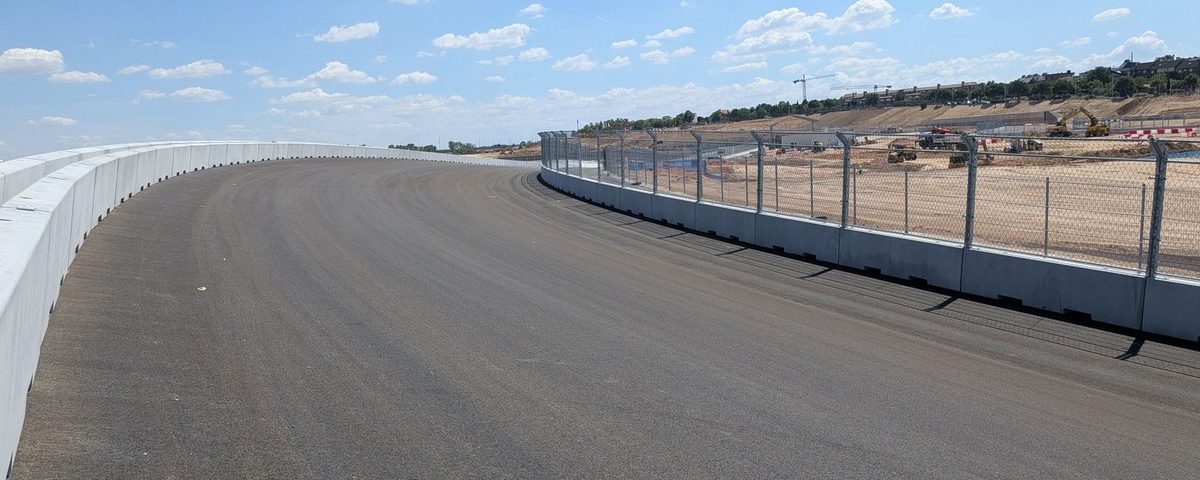
Furthermore, the shift in venues may provide teams with new opportunities to capitalize on the unique characteristics of the IFEMA circuit. The layout and surface could favor specific car setups and driving styles, leading to potential surprises in race results. Teams that are able to adapt quickly and effectively may find themselves gaining an edge in the championship race.
As we approach the race weekend, the anticipation is palpable. The Madrid Grand Prix is not just a new chapter for Formula 1 but a bold step towards redefining what a race weekend can be. The integration of entertainment, accessibility, and sustainability will set the stage for a memorable event that could influence future races around the globe.
In conclusion, the inaugural Madrid Grand Prix marks a transformative moment in Formula 1’s history. With its ambitious plans and commitment to sustainability, we are witnessing the sport’s evolution in real-time. As fans gear up for the season, the excitement surrounding this new venue will undoubtedly elevate the championship’s profile and engage an even broader audience.
In our view, the decision to relocate the Spanish Grand Prix to Madrid reflects a strategic move to reinvigorate interest in Formula 1 within Spain. While Barcelona has long been synonymous with the race, Madrid’s modern infrastructure and vibrant atmosphere may attract a more diverse crowd. This shift could introduce fresh dynamics in the championship, as teams navigate the distinct challenges posed by the new venue.<br />
Looking ahead, we predict that if the event lives up to its sustainability promises, it might set a precedent for future races. As Formula 1 grapples with its environmental impact, Madrid's approach could inspire other cities to adopt similar models. This could lead to a wave of innovative practices across the F1 calendar, potentially reshaping the sport for years to come.
Source: How F1’s newest venue attempts to gel two extremes for the first time
Sports News Plus is a news aggregator. We do not own or claim rights to any images, videos, or source content featured on this site. All images and media are the property of their respective original owners and publishers. Article content is independently written based on publicly available news sources, which are credited and linked throughout. Full disclosure →