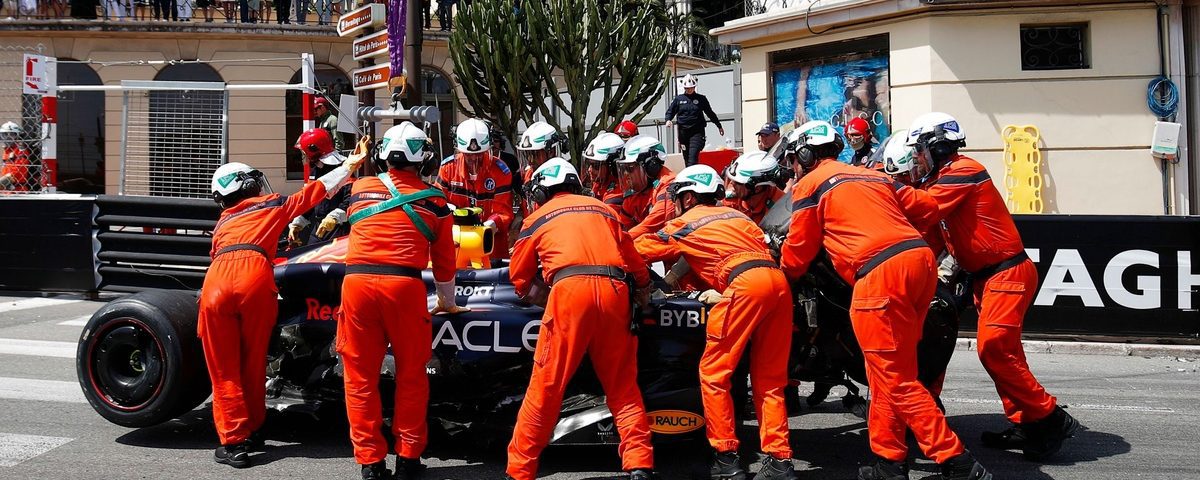
- More than 20,000 volunteers are essential for Formula 1’s annual races.
- These volunteers play critical roles across various championship events.
- The reliance on volunteers highlights the community aspect of motor racing.
- Their contributions enhance the safety and enjoyment of race weekends.
- The future of Formula 1 may depend on evolving volunteer engagement strategies.
In the vibrant world of Formula 1, a remarkable statistic has come to light: over 20,000 volunteers are recruited each year to ensure the seamless execution of the sport’s 24 race weekends. This significant figure represents an average of 838 dedicated individuals per weekend, working behind the scenes to make each Grand Prix a success. The findings were revealed in a recent study commissioned by the FIA, emphasizing the immense reliance of motor racing on volunteer support.
Volunteers in Formula 1 are not merely assistants; they are the lifeblood of the sport. From managing logistics to ensuring safety and facilitating fan engagement, these individuals come together with one common goal: to create a thrilling and safe environment for both drivers and spectators. This high level of community involvement is unique to Formula 1 compared to other global sports, where professional staff often dominate operational roles.
The role of volunteers extends beyond the Grand Prix events themselves. Many begin their journey at the grassroots level, contributing to local racing events and gradually ascending through the ranks. This pathway fosters a deep-rooted passion for the sport, encouraging young enthusiasts to become lifelong supporters and even professionals in the industry. The connection between community involvement and professional growth is a thread that weaves through the entire fabric of motorsport.
Volunteers: Essential Roles and Responsibilities
The responsibilities of volunteers during race weekends are diverse and vital. They are often tasked with roles such as crowd management, providing support to team personnel, assisting in medical operations, and even engaging with fans through various activities. Each volunteer is equipped with the training necessary to handle their specific duties, ensuring that every aspect of the event runs smoothly.
In addition to logistical roles, volunteers often serve as the first point of contact for fans. Their enthusiasm and knowledge help to enhance the overall experience of attending a Formula 1 event. In an era where fan engagement is increasingly prioritized, the role of volunteers in fostering a welcoming atmosphere cannot be overstated. By creating memorable interactions, they contribute to the sport’s popularity and accessibility.
This reliance on volunteers also raises questions about sustainability and efficiency. As Formula 1 continues to evolve, particularly with the introduction of new technologies and environmentally friendly initiatives, the volunteer framework will need to adapt. Engaging a diverse and skilled volunteer base will be essential in maintaining the high standards expected during race weekends.
The Future of Volunteer Engagement in Formula 1
Looking ahead, the future of volunteer engagement in Formula 1 is poised for transformation. With increasing competition for attention in the sports landscape, the championship must find innovative ways to attract and retain volunteers. Leveraging technology, such as online training platforms and social media outreach, could serve to enhance recruitment efforts and streamline the onboarding process.
Moreover, establishing a clear pathway for career progression within the motorsport industry can serve as a powerful motivator for potential volunteers. By showcasing the opportunities available, from event management to engineering roles, Formula 1 can cultivate a new generation of talent committed to the sport.
As the championship continues to grow globally, the challenge will be to maintain the same level of community spirit and volunteer engagement that has defined it thus far. This is not only vital for the operational success of each Grand Prix but also for preserving the rich heritage of motorsport as a community-driven endeavor.
In conclusion, the role of volunteers in Formula 1 is indispensable. Their contributions ensure that each race weekend operates without a hitch, allowing drivers to focus on performance and fans to relish the excitement. As we move forward, embracing innovative engagement strategies will be crucial to sustaining the enthusiasm and dedication that these volunteers exemplify.
We believe that the reliance on volunteers in Formula 1 symbolizes a broader trend within sports, showcasing how community involvement can enhance the overall experience. As professional sports become more commercialized, the human element brought by volunteers is increasingly important. It not only creates a sense of belonging but also ensures that the sport remains rooted in its origins.<br />
Looking ahead, we anticipate that Formula 1 will need to strategically develop its volunteer programs to keep pace with the evolving expectations of fans and participants alike. By investing in volunteer training and engagement, the championship can continue to inspire passion for motorsport while also preparing the next generation of professionals in the field. Let us not overlook the importance of this community backbone; it is vital for the future of Formula 1.
Source: F1 relies on thousands of volunteers — here’s how many
Sports News Plus is a news aggregator. We do not own or claim rights to any images, videos, or source content featured on this site. All images and media are the property of their respective original owners and publishers. Article content is independently written based on publicly available news sources, which are credited and linked throughout. Full disclosure →