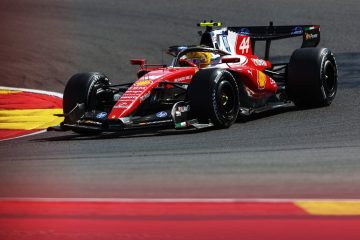
- Liam Lawson and Arvid Lindblad opted for a budget-friendly easyJet flight home after the Belgian Grand Prix.
- Their choice contrasts sharply with the typical luxury travel culture associated with Formula 1.
- This moment reflects a broader trend of accessibility in motorsport, appealing to younger fans.
- Similar past incidents highlight the human side of F1 drivers outside their high-stakes environment.
- The move could pave the way for a shift in how teams approach travel and fan engagement in the future.
Formula 1 In a surprising twist following the Belgian Grand Prix, Racing Bulls teammates Liam Lawson and Arvid Lindblad were spotted on an easyJet flight back home. This unusual choice has garnered attention, as it starkly contrasts the common image of Formula 1, a sport often synonymous with private jets and lavish accommodations. The sight of these two young drivers opting for a budget airline on July 20, 2026, signifies a refreshing shift in the culture surrounding F1 travel.
While the Belgian Grand Prix is known for its challenging circuit at Spa-Francorchamps, the post-race moments also spotlight the personalities behind the helmets. Lawson shared a light-hearted selfie with Lindblad, showcasing their camaraderie and down-to-earth nature. This marks a departure from the high-flying lifestyle typically associated with F1 stars, who frequently travel in style, complete with VIP hospitality.
The decision to choose easyJet raises interesting questions about the evolving image of Formula 1 and how younger drivers relate to fans. Throughout the years, the sport has become more accessible, not just in terms of ticket prices and fan engagement, but also in how drivers present themselves. By opting for a budget airline, Lawson and Lindblad are connecting with a demographic that values authenticity and relatability.
Historical Context: A Look Back at F1 Travel Trends
This isn’t the first time we’ve seen F1 drivers take a step away from the luxurious lifestyle. Historical parallels can be drawn with various instances where drivers have shown their human side off the track. In 2003, for instance, David Coulthard famously took the bus to a race, which sparked discussions about the pressures of being a Formula 1 star and the human experience behind the wheel. Similarly, during the 2010 season, several drivers opted for more grounded travel choices as they sought to connect with fans and demonstrate their personalities outside the cockpit.
These moments in history highlight a recurring theme within the sport: the desire for connection with fans. As Formula 1 continues to push towards a more inclusive image, events like Lawson and Lindblad’s budget flight remind us that these athletes are more than just competitors; they are individuals navigating a demanding career while maintaining their connections to everyday life.
So, what does the future hold for F1 and its travel norms? Given the growing popularity of the sport among younger audiences, we might witness an increase in relatable actions like these. Fans are eager to break down the barriers that have historically separated them from their heroes, and Lawson and Lindblad’s flight embodies that spirit.
The Impact of This Moment on F1 Culture
As motorsport continues to evolve, the implications of such moments are profound. The choice of an easyJet flight not only resonates with fans but also challenges the status quo. It illustrates a shift towards a more relatable and accessible Formula 1 culture, where drivers are seen as approachable and grounded.
With the rise of social media, athletes have the power to shape their own narratives, and Lawson’s and Lindblad’s decision highlights their understanding of this dynamic. It sends a clear message that while they compete at the highest level of motorsport, they are still connected to their roots and the fanbase that supports them.
This shift could lead to further changes in how teams manage their logistics and fan engagement strategies. We may see more initiatives that prioritize accessibility and relatability, enhancing the sport’s appeal to a wider audience. If this trend continues, it could very well redefine what it means to be a Formula 1 driver in the modern era.
In conclusion, the flight of Liam Lawson and Arvid Lindblad signifies more than just a budget travel choice; it reflects a significant moment in the ongoing evolution of Formula 1. As the sport seeks to connect with a new generation of fans, moments like these will undoubtedly shape its future trajectory.
As we reflect on this incident, it’s clear that Lawson and Lindblad are tapping into a current trend that prioritizes authenticity and relatability in sports. The decision to take a budget flight could be seen as a marketing strategy in itself, appealing to a younger audience that values transparency over the ostentation often associated with elite sports.<br />
Moreover, we believe this moment may encourage other drivers and teams to embrace a more grounded approach to their public personas. By showcasing their connection to everyday experiences, they can foster a deeper bond with fans. As we look ahead, it will be fascinating to see if this trend inspires a broader cultural shift within Formula 1, potentially leading to more initiatives that align the sport with the values of its evolving fanbase.
Source: Liam Lawson and Arvid Lindblad surprise fans on easyJet flight after Belgian GP
Sports News Plus is a news aggregator. We do not own or claim rights to any images, videos, or source content featured on this site. All images and media are the property of their respective original owners and publishers. Article content is independently written based on publicly available news sources, which are credited and linked throughout. Full disclosure →