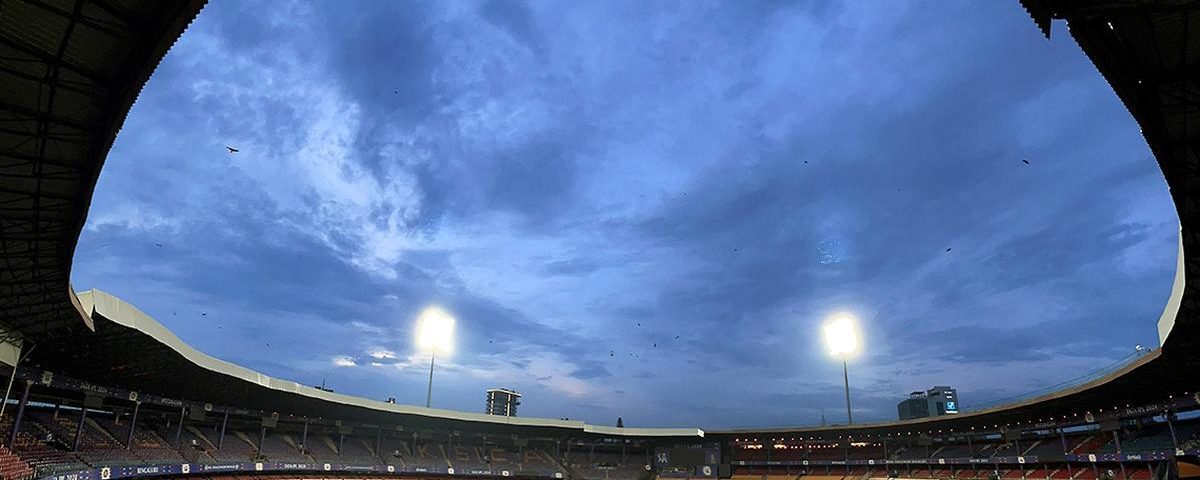
- The DLS method is crucial for determining match outcomes in rain-affected cricket games.
- RCB vs CSK showcased how weather can dramatically change the dynamics of a match.
- Understanding DLS calculations can influence team strategies and player selections.
- The impact of the DLS method extends beyond individual matches, affecting team standings in tournaments.
- As IPL 2024 progresses, teams must adapt quickly to weather disruptions to maintain their competitive edge.
DLS method In the world of cricket, the Duckworth-Lewis-Stern (DLS) method stands as a critical framework for determining the outcome of rain-affected matches. The recent clash between Royal Challengers Bangalore (RCB) and Chennai Super Kings (CSK) in the IPL 2024 highlighted the importance of this method. As teams battle for supremacy in the tournament, understanding how the DLS method works is essential for players, coaches, and fans alike.
DLS method: What You Need to Know
The DLS method is employed during limited-overs matches, including One Day Internationals (ODIs) and T20s, to recalibrate scores when the weather disrupts play. Its calculations are based on the premise that teams have a set number of overs and wickets available to achieve a target score. When rain interrupts, the DLS method adjusts the target score based on the resources remaining to the batting team, ensuring a fair contest despite the interruptions.
In the IPL, rain can play a significant role in determining the course of the tournament. The case of RCB vs CSK serves as a poignant reminder of how a sudden downpour can influence the dynamic of a match. In this encounter, the heavy rain meant that RCB had to adapt to a revised target formulated using the DLS method. This not only altered the batting strategy but also impacted the number of wickets that could be utilized in pursuit of the score.
The implications of the DLS method extend beyond just a single match. As teams vie for positions in the points table, understanding the method becomes paramount. A team that effectively adapts to changes in conditions can secure vital points that could influence their standings in the tournament. This is especially relevant in high-stakes situations where every run and wicket counts towards playoff qualifications.
Analysis & Key Takeaways
Moreover, the BCCI (Board of Control for Cricket in India) has placed a heightened emphasis on player fitness and adaptability to ensure teams can respond promptly to adverse weather conditions. In the context of the IPL, franchises are now scouting players who possess the mental agility to adapt strategies rapidly, especially in challenging situations where rain plays a role.
What happens next in the IPL landscape is equally important. Following the RCB vs CSK match, teams must evaluate their performances and strategies under the DLS framework. Critical upcoming fixtures will see teams re-assessing their batting lineups and bowling strategies to optimize their chances of success against rivals. For instance, teams with aggressive batting depth may choose to alter their approach, ensuring they maximize scoring opportunities, especially if rain is forecasted.
Fan expectations will also play a significant role. The unpredictability of rain-affected matches often leads to heightened anticipation among fans, who may witness games turning dramatically due to DLS adjustments. As a result, engagement from the fan base can surge during these matches, as supporters rally behind their teams in the face of adversity.
The DLS method serves as a reminder that cricket is not just a game of skill but also of strategic thinking and adaptability. Players must not only focus on their individual performances but also on how external factors like weather can influence their team’s prospects. As we look forward to the remainder of IPL 2024, the methods and calculations behind the DLS will undoubtedly shape the narratives of ongoing matches and upcoming fixtures alike.
In conclusion, the DLS method is a vital tool in modern cricket, particularly in tournaments as unpredictable as the IPL. Teams and players must be prepared for the complexities that come with rain interruptions. The ability to adapt quickly to the DLS recalibrations will be the key differentiator for teams aiming for glory in this year’s tournament.
As sports journalists and analysts, we often find ourselves examining the broader implications of specific rules like the DLS method in cricket. It’s fascinating to see how a seemingly technical aspect can dramatically influence the emotional landscape of the game. The unpredictable nature of weather brings an added layer of strategy to the tournament, demanding that teams not only focus on their performance but also on their adaptability to changing conditions.<br />
Looking ahead, we believe that franchises will increasingly prioritize players who excel in high-pressure situations. This could lead to shifts in scouting and selection processes, with more emphasis on mental resilience and adaptability. The upcoming matches will serve as a litmus test for how well teams can implement the DLS method and what strategic shifts they undertake in response to rain disruptions.
Source: RCB vs CSK, IPL 2024: What is DLS method – how is it calculated during rain-affected matches?
Sports News Plus is a news aggregator. We do not own or claim rights to any images, videos, or source content featured on this site. All images and media are the property of their respective original owners and publishers. Article content is independently written based on publicly available news sources, which are credited and linked throughout. Full disclosure →