- Formula 1's management is warned against making knee-jerk rule changes that could disrupt championship balance.
- Historical instances reveal that rapid regulations often lead to unintended consequences.
- The current discourse highlights the tension between innovation and tradition in the sport.
- Stakeholders emphasize the need for a comprehensive review process before implementing changes.
- Future races may see heightened scrutiny on how rules adapt to evolving race dynamics.
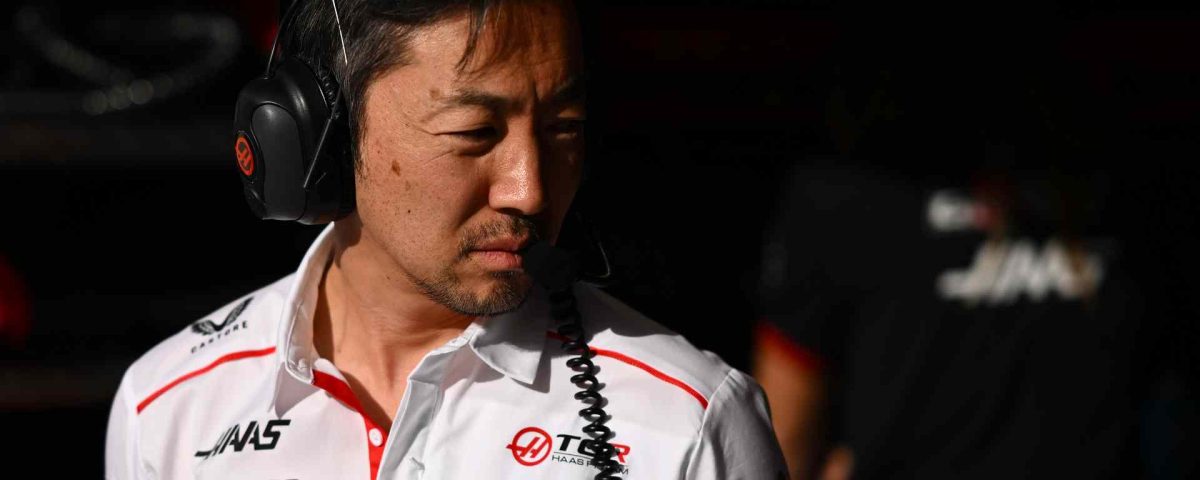
In a recent statement, a prominent team principal in Formula 1 cautioned against hastily introduced rule changes that could disrupt the competitive balance of the championship. This warning comes in light of recent discussions within the sport’s governing body, particularly after the controversial race result from the last Grand Prix held at Circuit de Barcelona-Catalunya on the weekend of March 30-31, 2026. As F1 strives to maintain its reputation for thrilling races, this debate raises critical questions about the sport’s governance and its approach to evolving challenges.
Formula 1: What You Need to Know
The concern over knee-jerk reactions to race incidents is not new to Formula 1. Throughout its storied history, the sport has faced moments where rapid regulatory changes were implemented in response to specific events or controversies. One notable example occurred after the 2005 United States Grand Prix, where tire issues led to only six cars participating in the race. In response, Formula 1 officials instituted new tire regulations to enhance safety and competition. However, the aftermath revealed that such quick fixes led to a series of unintended consequences, including a lack of competitiveness among teams and a stifling of engineering innovation.
As F1 navigates the complexities of modern racing, the historical context provides insight into the potential repercussions of rushing to amend rules. The sport has seen its share of controversies related to rule changes, such as the introduction of the “double diffuser” in 2009, which allowed certain teams to gain an unfair advantage. This prompted the FIA to react swiftly, but the fallout left many teams scrambling to adapt, ultimately impacting the race results and the championship standings.
The current climate in Formula 1 reflects a growing tension between traditionalists who value the sport’s heritage and innovators aiming to enhance its spectacle. Stakeholders, including team principals and drivers, are advocating for a more measured approach that involves comprehensive reviews and open dialogues before any changes are enacted. The need for stability in the championship is paramount, as the integrity of race results and the overall standings hinge on consistent regulations.
Analysis & Key Takeaways
As we approach the next round of qualifying and races, it is imperative for the Formula 1 governing body to consider the lessons of the past. History has shown that swift regulatory changes can lead to unpredictable consequences, often undermining the competitive spirit that defines the sport. The recent pushback against potential rule modifications serves as a reminder that while adaptation is essential for growth, it must be approached thoughtfully.
In terms of the current championship landscape, the ongoing scrutiny of race regulations could impact not only the immediate race results but also the long-term trajectory of the season. Teams are already strategizing for upcoming qualifying rounds, knowing that any sudden changes could drastically alter their setups and performance. This uncertainty creates a layer of complexity that teams must navigate as they prepare for the challenges ahead.
With the 2026 season unfolding, it is crucial for Formula 1 to uphold its commitment to fair competition while embracing necessary innovations. The dialogue surrounding potential rule changes exemplifies the need for a collaborative approach that respects both the sport’s storied past and its future potential. Stakeholders must unite to ensure that the championship remains an arena of thrilling competition rather than a battleground of regulatory disputes.
The upcoming races will undoubtedly test the resilience of teams and drivers alike as they adapt to whatever regulatory landscape emerges. As fans, we look forward to seeing how these discussions will shape the racing narrative in the weeks to come. Will Formula 1 learn from its history, or will it fall into the same patterns that have historically led to upheaval? Only time will tell.
We find ourselves at a critical juncture in Formula 1, where the interplay between tradition and innovation is more pronounced than ever. As we consider the potential impacts of proposed rule changes, it's essential to understand that every decision made can ripple through the championship in unforeseen ways. The voices calling for caution are not simply reactionary; they reflect a deeper understanding of the sport's intricate dynamics.<br />
Moreover, with teams investing heavily in research and development, the stakes have never been higher. Any knee-jerk changes could derail not just the current season but also influence team strategies for years to come. As such, our view is that a more deliberate, measured approach to rule changes will serve the sport better in the long run. It is crucial for the governing body to engage with teams, drivers, and fans alike in a transparent dialogue to ensure that the integrity of Formula 1 is upheld.
Source: Round-up: Bearman’s boss warns F1 against “knee-jerk” rules changes, and more | RaceFans Round-up
Sports News Plus is a news aggregator. We do not own or claim rights to any images, videos, or source content featured on this site. All images and media are the property of their respective original owners and publishers. Article content is independently written based on publicly available news sources, which are credited and linked throughout. Full disclosure →