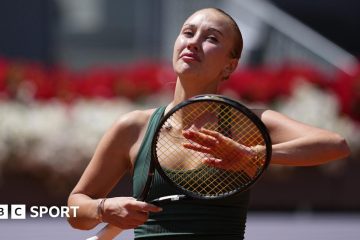
- Kei Nishikori, former world number four, will retire at the end of the 2026 season.
- Known for his tenacity, Nishikori has a notable history in Grand Slam tournaments.
- Fans are expressing mixed emotions on social media regarding his decision.
- Nishikori's retirement marks the end of an era for Japanese tennis.
- His exit raises questions about the future of the sport in Japan and the ATP ranking landscape.
Grand slam In a heartfelt announcement, former world number four Kei Nishikori revealed that he will retire from professional tennis at the end of the 2026 season. The 35-year-old Japanese star made the declaration on May 1, 2026, as he reflected on his illustrious career that has captivated tennis audiences worldwide. Nishikori, who became the first Asian male player to reach a Grand Slam singles final at the 2014 US Open, is well-respected for his resilience and determination on the ATP Tour.
Grand slam: What You Need to Know
Nishikori’s decision comes as he prepares to wrap up a career that has seen him hold a prominent place in discussions about the future of tennis in Japan. With the country gearing up for its hosting duties at various international sporting events, Nishikori’s retirement may leave a significant void in the Japanese tennis scene. He has consistently been a source of inspiration for aspiring athletes, and his accomplishments have set a benchmark for future generations.
As Nishikori steps away, fans and tennis analysts alike are reflecting on his impact. Throughout his career, he has achieved 12 ATP singles titles and has been a regular contender in major tournaments, with several notable match results against top-tier opponents. His journey has inspired many in Japan, especially as he navigated through injuries and setbacks while maintaining his position among the elite players.
In the wake of this announcement, fan reactions on social media have been overwhelmingly emotional. Supporters have taken to platforms like Twitter and Instagram, sharing their memories of Nishikori’s most memorable matches and expressing gratitude for his contributions to the sport. Hashtags like #ThankYouNishikori and #Nishikori2026 have begun trending, underscoring the affection fans hold for him.
However, there is also a sense of concern among fans regarding what this means for the future of Japanese tennis. With Nishikori’s retirement, many are debating who will step up to fill the gap he leaves behind. The current ATP rankings reflect a wave of emerging talent, but none have yet reached the heights Nishikori did during his prime. This has sparked discussions about the upcoming generation of players and their potential to carry the torch forward.
Analysis & Key Takeaways
Furthermore, Nishikori’s retirement raises questions about the visibility of tennis in Japan. As one of the sport’s most recognized figures, his departure could impact the younger athletes aspiring to follow in his footsteps. While there are promising players emerging on the WTA Tour and the ATP circuit, it remains to be seen if they can replicate Nishikori’s success and influence.
As the 2026 season unfolds, Nishikori will have the opportunity to say goodbye to the sport that has defined much of his life. His farewell tour could be an emotional journey for both him and his fans. It’s a chance for supporters to celebrate his legacy and for Nishikori to reflect on a career filled with triumphs, struggles, and incredible moments of sportsmanship.
The tennis community will undoubtedly honor Nishikori’s contributions, reminiscing over his remarkable feats, including his stunning run to the finals of the US Open in 2014, and his various victories over top-ranked opponents. As he prepares for his final matches, fans will eagerly await the chance to see him compete one last time, hoping for moments that embody the spirit of his career.
Nishikori’s legacy is not just about his match results or ATP rankings; it’s about the inspiration he has provided to countless fans and players alike. As we look toward the end of the 2026 season, we cannot help but feel a mixture of sadness and gratitude. His retirement marks the conclusion of a significant chapter in tennis history, one that will live on in the hearts of those who cherished his journey.
As we prepare to bid farewell to Kei Nishikori, we are reminded of the transient nature of sports and the lasting impact athletes can have on their fans. Nishikori’s story is one of perseverance, passion, and dedication—a true champion in every sense of the word.
As Nishikori announces his retirement, we find ourselves contemplating the broader implications of his departure from the ATP Tour. This moment is not merely about the retirement of a player; it symbolizes the end of an era in which Nishikori stood as a beacon of hope for Japanese tennis. His achievements have not only elevated his status as an athlete but have also inspired an entire generation of tennis players in Japan.<br />
Looking ahead, we speculate about who might fill the void left by Nishikori. While several young talents are making waves, none currently match his level of experience or success. This raises questions regarding the support structure in place for aspiring athletes in Japan. As Nishikori exits, the Japanese tennis federation must aim to nurture the upcoming players, ensuring that they have the resources and guidance necessary to reach the heights Nishikori once did.<br />
We also consider the potential impact of his retirement on the global tennis landscape. Nishikori's presence has been a significant draw for fans in Asia, and his exit may shift the focus back to Western players dominating the ATP rankings. This could influence the dynamics of fan engagement and viewership, creating a ripple effect that goes beyond just the Japanese tennis community.
Source: Japan's Nishikori to retire at end of 2026 season
Sports News Plus is a news aggregator. We do not own or claim rights to any images, videos, or source content featured on this site. All images and media are the property of their respective original owners and publishers. Article content is independently written based on publicly available news sources, which are credited and linked throughout. Full disclosure →