- Franco Colapinto expressed dissatisfaction with Oliver Bearman's reaction to their collision at the Japanese GP.
- The incident highlights concerns around car performance under the 2026 Formula 1 regulations.
- This crash raises questions about driver safety and race strategy in the current championship.
- The qualifying performances of both drivers will be scrutinized as they aim for redemption.
- Looking ahead, the implications of these incidents could shape future race results and championship standings.
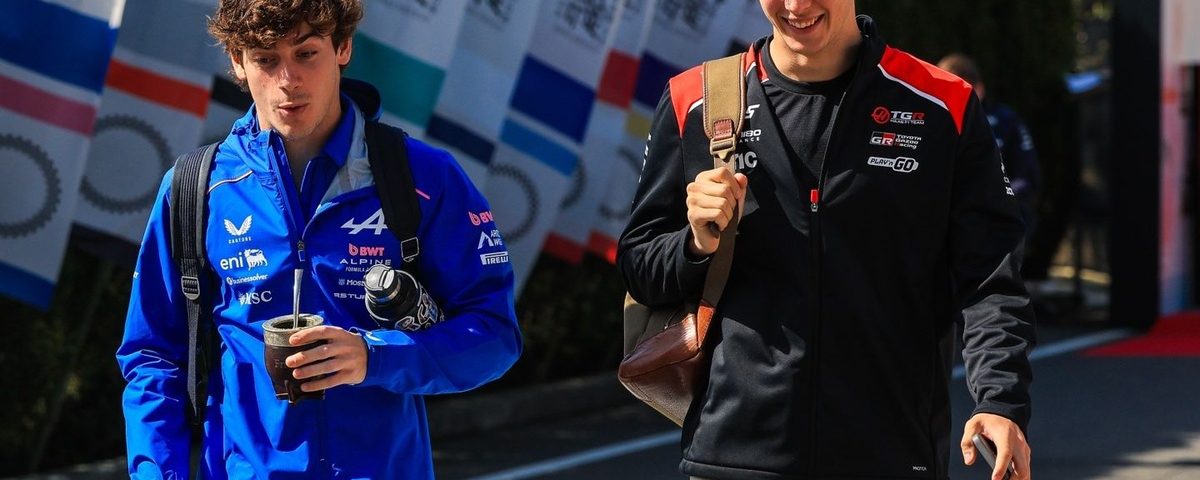
Franco Colapinto voiced his displeasure over Oliver Bearman’s response following their crash during the 2026 Formula 1 Japanese Grand Prix held at the iconic Suzuka Circuit. The incident, which unfolded in the latter stages of the race, underscored the heightened risks and challenges posed by the new regulations that govern car performance in Formula 1. Colapinto and Bearman, both young talents vying for prominence in the sport, found themselves at the center of a discussion that could have broader implications for driver safety and competitive strategies.
Formula 1: What You Need to Know
The collision occurred when Bearman, driving for Haas, rapidly closed the gap to Colapinto, who was experiencing a significant drop in energy from his Alpine. This resulted in a collision that was not only damaging to both cars but also raised questions about the efficacy of the 2026 regulations, which aim to enhance both speed and safety. The fact that Bearman was one second behind at one moment only to collide moments later highlights the extreme closing speeds that modern Formula 1 cars can achieve, a byproduct of the relentless pursuit of performance.
As we analyze the fallout from this incident, it’s important to consider the implications for the championship. Both drivers are in crucial phases of their careers, and their performance in qualifying sessions, particularly after such incidents, will be pivotal in determining their trajectories in the sport. Colapinto, despite his frustrations, has shown considerable promise throughout the season, and he will likely channel his energy into improving his qualifying times to avoid being in compromising positions.
The 2026 regulations have been designed to make racing more exciting, but they also bring unique challenges. The closing speeds experienced during races can lead to more intense racing battles, but as seen in this incident, they can also increase the likelihood of collisions. It raises the question: Are the current regulations striking the right balance between performance and safety? The incident at Suzuka may serve as a wake-up call for Formula 1 to revisit certain elements of its regulatory framework.
Moreover, this clash between Colapinto and Bearman highlights a growing trend within Formula 1. As younger drivers enter the circuit, the competitive nature and the stakes have never been higher. The pressure to perform, both in races and qualifying sessions, is immense. This incident may serve as a reminder that while the pursuit of speed is essential, the consequences of aggressive racing can have far-reaching implications on a driver’s career and the broader championship landscape.
In the aftermath of the Japanese GP, both drivers will be under scrutiny. Colapinto’s disappointment with Bearman’s reaction could lead to a more cautious approach in future races, particularly in avoiding risky maneuvers that could jeopardize their standings. For Bearman, this incident presents an opportunity to reflect on his racing tactics and ensure that he does not repeat the same mistakes in the upcoming rounds.
Analysis & Key Takeaways
As we look forward, the dynamics between these young competitors will be fascinating to watch. The Formula 1 championship is not just about the cars and the teams; it is also about the drivers and how they manage their relationships both on and off the track. The potential for rivalry is palpable, and this incident may just be the beginning of a longer narrative that could define their careers.
With the championship race heating up, both Colapinto and Bearman need to focus on their qualifying strategies. Success in qualifying is crucial for setting the tone for race day. As they head into the next Grand Prix, the lessons learned from Suzuka will undoubtedly play a significant role in shaping their future performances.
The implications of the crash extend beyond just these two drivers. The Formula 1 community will be watching closely, eager to see how the governing bodies respond to calls for potential regulatory changes. Safety is paramount, and as technology advances, so must the regulations that govern the sport.
In light of recent events, we may also witness changes in how teams approach driver development and race strategies. The need for a comprehensive understanding of both the technical aspects of the car and the psychological elements of racing is more crucial than ever.
As the season progresses, we can expect continued discussions about the balance between performance and safety, the evolving nature of competition, and how young drivers like Colapinto and Bearman navigate the complex landscape of Formula 1.
In our view, the incident between Colapinto and Bearman at the Japanese GP is not just a singular event but a reflection of the growing pains within Formula 1's competitive landscape. With new regulations intended to enhance the spectacle of racing, we must consider whether they adequately address the need for safety. The extreme closing speeds displayed during the collision are a direct consequence of these regulations, and it is crucial for the FIA to assess their effectiveness in preventing such dangerous situations.<br />
Furthermore, this clash marks a critical moment for both drivers as they define their identities in the sport. With the championship increasingly competitive, how they respond—both on and off the track—could significantly influence their careers. We might see a shift in how young drivers approach racing, balancing their innate desire to compete fiercely with the necessity of exercising caution and strategy. This incident could serve as a pivotal learning experience that shapes their future decisions in the high-stakes world of Formula 1 racing.
Source: Franco Colapinto "not happy" with Oliver Bearman's reaction to F1 Japanese GP crash
Sports News Plus is a news aggregator. We do not own or claim rights to any images, videos, or source content featured on this site. All images and media are the property of their respective original owners and publishers. Article content is independently written based on publicly available news sources, which are credited and linked throughout. Full disclosure →