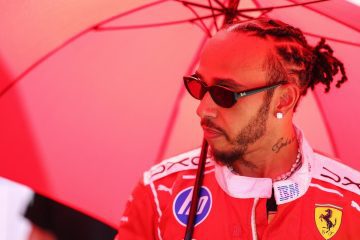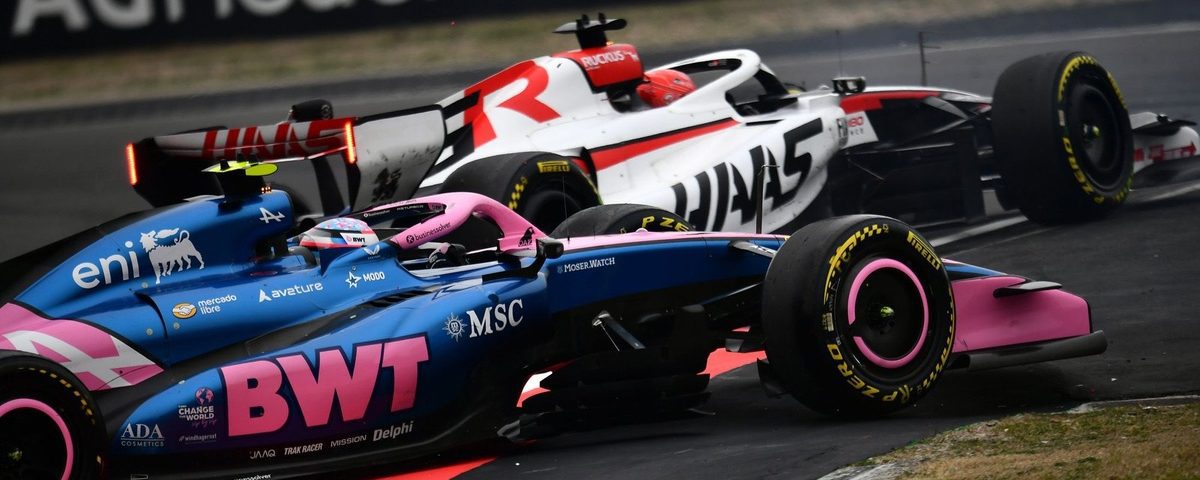
- This season, Formula 1 drivers have only accrued a single penalty point.
- The revised FIA guidelines aim to promote safer racing and better driver relations.
- Franco Colapinto is the only driver to receive a penalty point so far in 2026.
- Fans are passionately discussing the implications of fewer penalties on race outcomes.
- The change might influence team strategies as the championship race intensifies.
Formula 1 penalty points In the 2026 Formula 1 season, the landscape of penalty points has shifted dramatically, leading to significant discussions among drivers, teams, and fans alike. Since the start of the season, only one penalty point has been handed out, attributed to Franco Colapinto’s failure to adequately slow down during yellow flags at the recent Barcelona race. This new approach comes courtesy of revised FIA guidelines that have been instituted to cultivate a more harmonious environment between the governing body and the competitors.
The changes have been welcomed by many, especially considering the contentious relationship drivers had with the FIA in previous seasons. The guidelines emphasize a more lenient stance regarding on-track battles, with fewer penalties being applied for racing incidents. This development is particularly critical as the championship race heats up, and each point accrued can have substantial implications for the overall standings.
As the 2026 season unfolds, the reduction of penalty points has sparked a variety of reactions from fans. Many supporters express relief at the prospect of fewer penalties, believing that this will foster more exciting racing and allow drivers to compete more freely. Social media platforms have become a hotbed for debates regarding the effects of this change. Fans are engaging in discussions about whether the new guidelines will lead to more thrilling race results or if they will ultimately encourage reckless driving.
While some fans see the potential for more intense battles on the track, others are concerned that a lack of penalties may embolden drivers to take greater risks, which could jeopardize safety and the quality of racing. The debate is further fueled by the fact that the championship is still wide open, and the implications of each race result become increasingly significant as the season progresses.
Impact on Team Strategies and Championship Implications
The implications of the revised FIA guidelines extend beyond individual races; they have the potential to reshape team strategies as well. Teams that previously had to adjust their approaches to avoid penalties can now focus more on optimizing their performance and securing crucial race results. This shift could lead to more aggressive tactics during qualifying sessions and race days, as drivers feel more emboldened to push the limits without the fear of incurring penalty points.
As the championship race intensifies, teams are likely to analyze their strategies in light of the new guidelines. Some teams may adopt a more aggressive stance, pushing their drivers to take risks that could lead to more overtakes and, consequently, more exciting race outcomes. The ripple effect of this change could significantly alter the dynamics of the championship, making every race a critical battleground.
The arrival of new talent, such as Colapinto, also adds an interesting layer to the ongoing narrative. His recent penalty point serves as a reminder of the fine line drivers must navigate between racing hard and abiding by the rules. For teams like his, this season could be a defining moment, showcasing how they adapt to the evolving landscape of Formula 1 racing.
Fan Reactions and Social Media Sentiment
Fan response to the reduction of penalty points has been mixed, creating a vibrant dialogue across various social media platforms. Many supporters express their joy at the prospect of a less restricted racing environment, sharing optimistic predictions about how this could lead to more thrilling spectacles on the track. The sentiment is evident in trending hashtags and lively discussions across platforms like Twitter, Instagram, and Reddit.
However, there remains a segment of fans who are skeptical of this new approach. Concerns about safety and the potential for chaos on the track have been raised, particularly in scenarios where aggressive racing could lead to accidents. This dichotomy of opinion underscores the passionate nature of Formula 1 fandom, as supporters rally behind their favorite teams and drivers while debating the merits of FIA’s new guidelines.
As fans continue to engage with one another, the conversation about how these changes will affect the championship race is likely to persist. With such a pivotal season unfolding, the implications of fewer penalty points could reverberate through the entire Formula 1 community, making every race not just a battle for points, but also a test of strategy, skill, and the ability to adapt to a changing landscape.
As we look ahead to the remainder of the 2026 Formula 1 season, it is clear that the revised FIA guidelines will have far-reaching implications. While the reduction in penalty points is designed to enhance the racing experience, it also introduces complexities that could challenge teams and drivers in unique ways. This shift may lead to an increased emphasis on strategy, as teams must now balance risk-taking with the necessity of maintaining competitive performance.<br />
Moreover, we anticipate that as the championship race narrows down, the pressure will mount on drivers to push their limits. The lack of penalties could inadvertently encourage a more aggressive racing style, leading to thrilling, albeit potentially dangerous, moments on the track. If this season's narrative continues to unfold as it has, we might find ourselves on the edge of our seats, eagerly anticipating how these dynamics will play out in the championship standings.
Source: How the best FIA relations 'since Charlie Whiting' helped drivers win the penalty points fight
Sports News Plus is a news aggregator. We do not own or claim rights to any images, videos, or source content featured on this site. All images and media are the property of their respective original owners and publishers. Article content is independently written based on publicly available news sources, which are credited and linked throughout. Full disclosure →