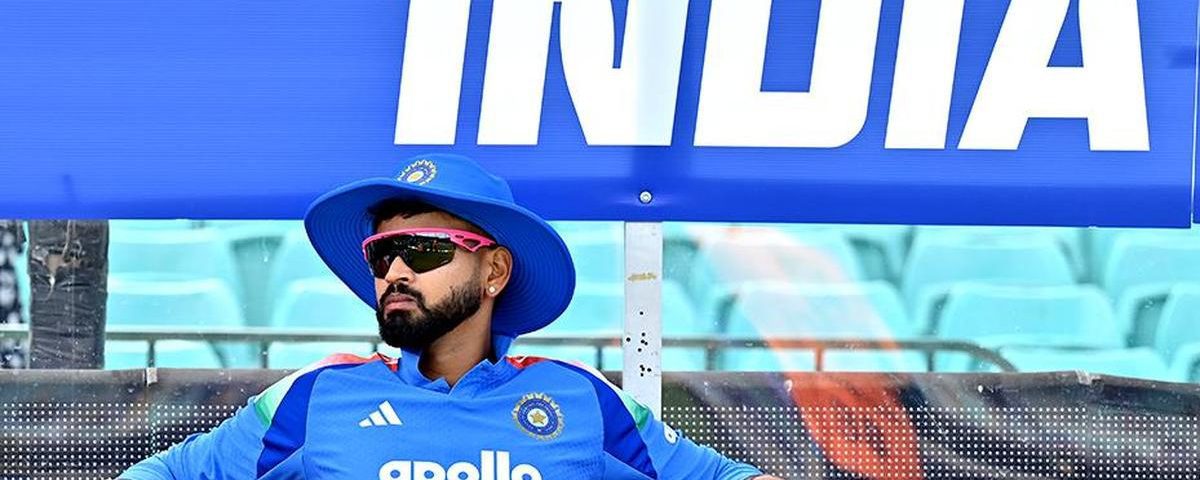
- India's preparations for the 2028 T20 World Cup are led by Shreyas Iyer as captain.
- The team is integrating a new generation of players, notably Vaibhav Sooryavanshi.
- This transition reflects a broader strategy by the BCCI to revamp the squad.
- The tour of Ireland and England will be critical for testing new tactics and formations.
- Success in the T20 World Cup could redefine India's cricketing legacy.
India’s cricketing landscape is undergoing a significant transformation as the national team embarks on its journey towards the 2028 T20 World Cup. Set against the backdrop of a tour in Ireland and England, this new chapter is marked by the appointment of Shreyas Iyer as captain and the emergence of prodigious talent Vaibhav Sooryavanshi. This initiative is not just about winning matches; it symbolizes a strategic overhaul aimed at redefining India’s approach to limited-overs cricket.
The first phase of this journey will see the team face challenges in Ireland before heading to England, with both fixtures serving as vital preparation for the T20 World Cup. With Iyer at the helm, the team is poised to embrace a fresh tactical vision, one that blends seasoned experience with youthful exuberance. The BCCI’s commitment to nurturing young players is evident, as Sooryavanshi’s inclusion suggests a willingness to invest in the next generation of cricketing talent.
As the team begins to form its identity under Iyer, the tactical implications of this shift must be carefully analyzed. The batting order will likely feature more aggressive strategies, focusing on maximizing scoring rates in the powerplay overs. India’s batting depth has been a consistent strength, but under Iyer’s leadership, we may see a more fluid approach that encourages players to exploit bowlers aggressively and capitalize on early opportunities.
The new captain’s tactical acumen will also be tested in the bowling department. With bowlers like Jasprit Bumrah and Bhuvneshwar Kumar being seasoned veterans, Iyer may opt for a more varied bowling attack that includes young guns alongside these stalwarts. This blend could provide a strategic edge, allowing the team to adapt to different conditions and opposition line-ups effectively.
Adapting to New Challenges
One of the most pressing challenges for India as they navigate this transitional phase is the integration of young players into high-pressure situations. Sooryavanshi’s role will be pivotal; he must not only showcase his individual talent but also harmonize with the team dynamics. The BCCI has recognized the importance of honing young talent, and this tour offers an invaluable opportunity for Sooryavanshi and others to learn and grow.
The tactical battles that unfold during the tour will be telling. Key match-ups against Ireland and England’s bowlers will provide insights into how Iyer plans to structure his batting order. The team will need to establish a strong foundation early on, particularly in the T20 format where momentum can swing dramatically. The ability to read the game and react accordingly will be critical, especially against England, known for their aggressive and innovative play.
Strategic Implications for the T20 World Cup
Looking ahead, the success of this squad will hinge on their ability to adapt to different match conditions and strategies. The BCCI’s vision for the team extends beyond the immediate fixtures, targeting long-term success at the T20 World Cup. The lessons learned in the upcoming matches will be instrumental in shaping the squad’s preparation for the challenges that lie ahead.
With the T20 World Cup approaching, it is essential that the team not only focuses on individual performances but also works cohesively as a unit. The tactical flexibility exhibited during this tour could be a blueprint for future games, allowing India to pivot their strategy based on the opposition’s strengths and weaknesses.
In conclusion, as India embarks on this exciting new chapter with Iyer and Sooryavanshi, the strategic evolution of the team is critical. Their journey to the T20 World Cup will be defined not just by the results but by how well they embrace change, integrate youthful talent, and adapt their tactics to meet contemporary challenges.
In our view, the BCCI's decision to place Shreyas Iyer at the helm while introducing younger players like Vaibhav Sooryavanshi is a calculated risk that reflects a broader trend in cricket. This strategy aligns with the global shift towards fostering a more dynamic and versatile playing style. We believe the focus on aggressive batting and flexible bowling strategies will be pivotal for India, especially in the T20 format, where adaptability often dictates success.<br />
Moreover, as we analyze the tactical dimensions of this new era, it becomes evident that the players' mental fortitude will be just as crucial as their technical skills. The pressures of international cricket can weigh heavily, particularly on young players. Therefore, fostering a supportive environment will be essential for nurturing talent and ensuring that they thrive under pressure.
Source: India’s road to 2028 T20 World Cup begins with Shreyas Iyer, Sooryavanshi and a new vision
Sports News Plus is a news aggregator. We do not own or claim rights to any images, videos, or source content featured on this site. All images and media are the property of their respective original owners and publishers. Article content is independently written based on publicly available news sources, which are credited and linked throughout. Full disclosure →