- The FIA is addressing concerns from F1 drivers about the “gimmicky” nature of recent racing rules.
- Drivers like Alexander Albon feel encouraged by the FIA's response to their feedback.
- The evolving regulations aim to enhance competition and improve race results.
- The 2026 rules are expected to impact team strategies during qualifying sessions.
- Future races may showcase a more authentic and competitive Formula 1 experience.
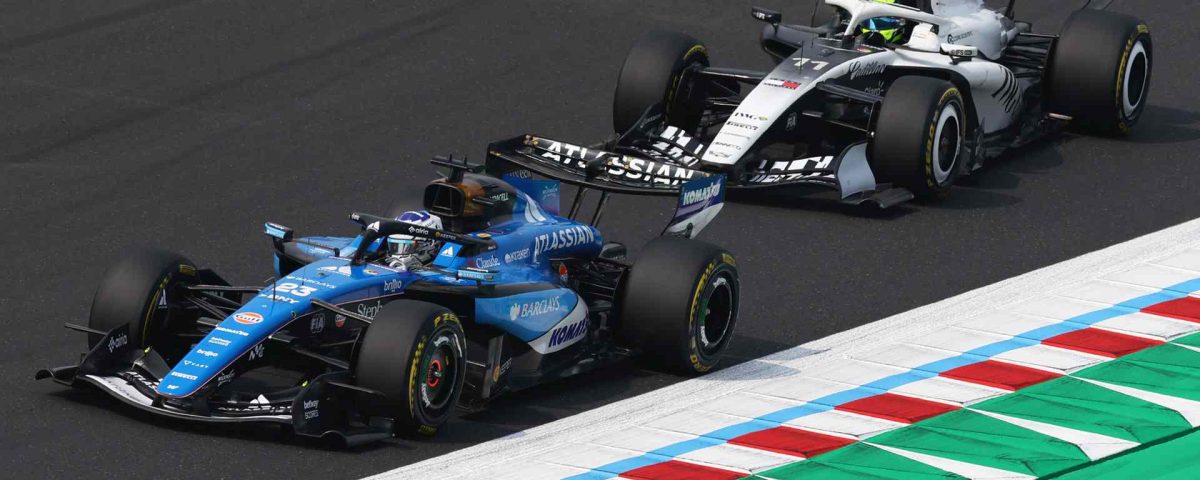
In a recent statement, Alexander Albon revealed that Formula 1 drivers have expressed their concerns regarding the 2026 regulations, which they feel have introduced a “gimmicky” aspect to racing. This discussion took place during a meeting with the FIA on April 28, 2026. As the world of Formula 1 continues to evolve, the governing body is actively listening to feedback from drivers, with the intent to enhance the overall racing experience. These changes come as the championship gears up for a crucial phase in the season, with teams navigating the complexities of qualifying and race strategies.
Albon’s comments highlight a growing sentiment among drivers that the intricate rules introduced in recent years may detract from the essence of pure racing. The FIA has recognized this issue and appears committed to revisiting these regulations to create an environment that promotes competition rather than complicates it. As the 2026 season approaches, the implications of these adjustments could have a significant impact on race results and the championship landscape.
The importance of driver feedback in shaping the future of Formula 1 cannot be overstated. The FIA’s willingness to engage with competitors is a testament to its commitment to preserving the integrity of the sport. By addressing these concerns, the FIA hopes to foster a racing atmosphere that allows for more strategic battles on the track, ultimately leading to more exciting race results. With the championship increasingly competitive, the need for regulations that support authentic racing experiences is critical.
The Technical Dimension of FIA Changes
Understanding the implications of the FIA’s changes requires a tactical breakdown of how these new regulations could shift team strategies. The 2026 rules focus on enhancing overtaking opportunities, encouraging teams to adopt more aggressive setups that maximize performance without compromising safety. This could lead to a shift in how teams approach qualifying sessions, as they might prioritize speed over stability to secure better grid positions.
One of the pivotal factors in upcoming races will be the battle between tire management and power unit efficiency. Teams will need to assess how the new regulations impact their car’s aerodynamics and tire wear, especially under increased competition. For example, teams that excel in qualifying might find themselves at a disadvantage if they cannot maintain tire performance during the race while others may invest more in long-run pace to capitalize on potential overtaking opportunities.
Additionally, the introduction of new engine regulations may result in a strategic reshuffling among teams. Some teams could opt for a more powerful engine setup at the expense of fuel efficiency, while others might focus on balancing power with reliability. This strategic divergence could lead to unexpected outcomes in race results, particularly in tight championship battles.
Looking Ahead: The Future of Formula 1
As we look forward to the upcoming races, the changes initiated by the FIA could fundamentally alter the dynamics of the championship. The promise of a more competitive environment, devoid of gimmicky elements, could restore the allure of Formula 1 for both drivers and fans alike. The anticipation around the new regulations suggests that teams will need to adapt quickly to the evolving landscape.
The 2026 rules could result in more thrilling qualifying sessions, as teams strive to gain every possible advantage. With a renewed focus on pure racing, we may witness a return to the strategic gameplay that has defined Formula 1 for decades. The potential for increased competition among teams could lead to unexpected race results, making the championship race even more captivating.
The FIA’s proactive stance in addressing driver concerns is commendable and reflects a broader understanding of what makes Formula 1 truly special. As the sport moves forward, maintaining this dialogue with drivers will be essential in shaping a future where racing is not just about technology but also about skill, competition, and the spirit of the sport itself.
From our perspective, the FIA's responsiveness to driver concerns is a crucial step in ensuring that Formula 1 remains a premier motorsport category. We believe that the adjustments being discussed could lead to a more engaging experience for both participants and spectators. However, the effectiveness of these changes will largely depend on how well teams navigate the new regulations.<br />
Moreover, this dialogue opens the door for further innovations in the sport. If the FIA can continue to adapt regulations based on driver feedback, we might see a future where Formula 1 not only embraces technological advancements but also prioritizes the essence of racing. As the championship races unfold, we anticipate that these changes will lead to more dynamic strategies and unexpected outcomes that could redefine the competitive landscape.
Source: FIA has listened to F1 drivers’ concerns over “gimmicky” racing – Albon | Formula 1
Sports News Plus is a news aggregator. We do not own or claim rights to any images, videos, or source content featured on this site. All images and media are the property of their respective original owners and publishers. Article content is independently written based on publicly available news sources, which are credited and linked throughout. Full disclosure →