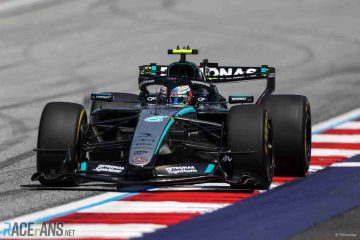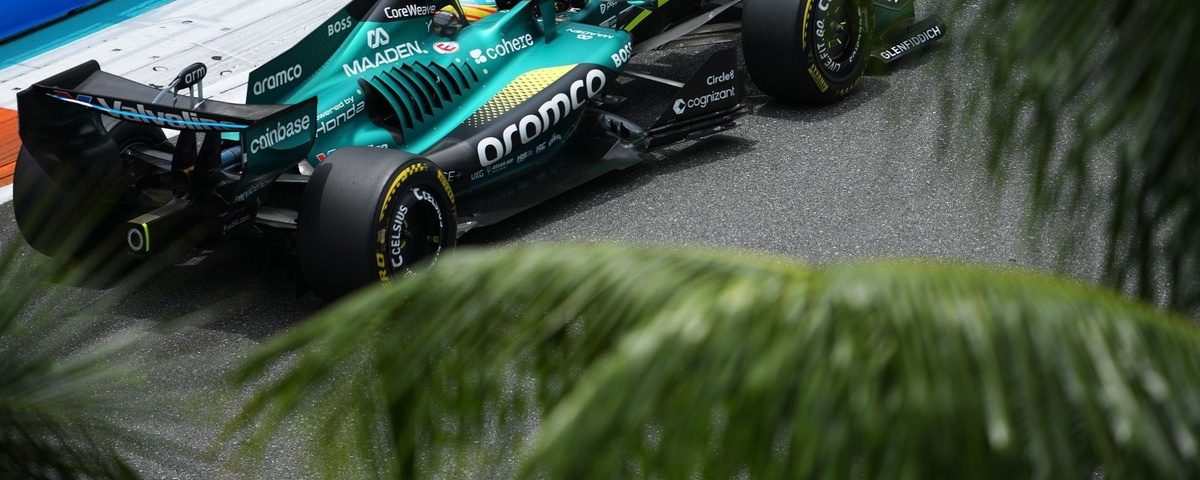
- The FIA's new ADUO system for 2026 provides Honda with essential support.
- Historical shifts in F1 regulations often impact power unit performance.
- Past regulatory changes have led to significant shifts in championship dynamics.
- Honda's efforts signify a broader trend of manufacturers adapting to new rules.
- The upcoming season could see competitive parity, changing race results dramatically.
In a notable development for the Formula 1 landscape, the FIA has introduced changes to the regulations for the 2026 season that specifically assist power unit manufacturers, including Honda, who has struggled in recent years. The announcement on May 8, 2026, serves to provide these manufacturers with “Additional Development and Upgrade Opportunities” (ADUO), enabling them to catch up with established competitors. This move is anticipated to have significant implications for the championship and qualifying scenarios as teams gear up for a new era.
Formula 1: What You Need to Know
Honda, once a powerhouse in F1, has faced challenges since its return to the grid. The adjustments made by the FIA are seen as a lifeline for the Japanese manufacturer, offering them a fresh chance to enhance their competitiveness. With the introduction of new power units, this partnership could reshape the dynamics of the upcoming season, making it more exciting for fans and teams alike.
Historical Context
To understand the potential impact of the FIA’s recent regulatory changes, we can look back at similar moments in Formula 1 history. In 2009, for example, the FIA introduced the KERS (Kinetic Energy Recovery System) regulations amid a shift towards more sustainable technologies. Initially, teams like Ferrari and McLaren struggled to adapt, while newcomers such as Brawn GP capitalized on the changes, resulting in an unexpected championship win for Jenson Button.
Another pivotal moment came in 2014 when F1 transitioned to hybrid engines. Brands like Mercedes quickly adapted, dominating the championship, while others, like Honda, lagged behind. The ensuing years showed the drastic effects regulatory changes can have on race results and overall team performance.
The FIA’s current ADUO system is reminiscent of these previous shifts, suggesting that while Honda may face challenges, they also have opportunities to innovate and improve. In history, teams that leverage new regulations effectively often rise to prominence, while those that don’t find themselves struggling to keep pace.
The future of Honda in Formula 1 will largely depend on how they utilize this additional support and whether they can innovate effectively. As the racing world gears up for the 2026 season, the stakes are higher than ever, and the outcomes of the races could drastically shift if Honda manages to capitalize on these new opportunities.
Analysis & Key Takeaways
Evolution of Power Units
Power units in Formula 1 have undergone significant transformations throughout the sport’s history. From the early days of naturally aspirated engines to the complex hybrid systems of today, each evolution has been met with both excitement and skepticism. The FIA’s rule changes aimed at promoting competitive balance are crucial for maintaining the sport’s integrity.
Honda’s engagement in this transformation process is vital not only for their brand’s legacy but also for the overall competitiveness of the championship. As they work to catch up, their development path could also inspire other manufacturers facing similar challenges, fostering a more level playing field.
The implications of these changes extend beyond Honda. The introduction of ADUO could mean that teams that have been historically dominant might also need to reassess their strategies for the upcoming season. The ability to upgrade and develop power units mid-cycle could lead to unexpected race results and shake up the championship standings.
Looking Ahead
The 2026 season is shaping up to be a pivotal moment in Formula 1. With Honda poised for a potential resurgence, the upcoming races could witness a fascinating battle among manufacturers. As the teams prepare for the season, the balance of power is likely to shift, leading to thrilling qualifying sessions and unpredictable race results.
In addition to Honda’s prospects, other teams may also benefit from the regulatory changes, leading to a more competitive and unpredictable championship. This potential for increased parity among the competitors could reinvigorate fan interest and engagement, ensuring that the sport continues to evolve in the face of global challenges.
The FIA’s decision to tweak the rules for power unit development signifies a commitment to an exciting future for Formula 1, one where history may be rewritten, and new heroes could emerge on the track.
From our perspective, the FIA's regulatory adjustments couldn't come at a more critical time for Honda. These kinds of changes often act as a catalyst for innovation within teams, allowing them to rethink their engineering approaches. While historical precedent suggests that some teams will thrive, others may find themselves unable to adapt, leading to surprising race results that reshape the championship landscape.<br />
The intriguing part of this new development is how it opens the door for underperforming teams to challenge the status quo. If Honda can effectively leverage this opportunity, we could witness a resurgence of competition reminiscent of the early 2000s, when multiple teams consistently vied for the top spots in both qualifying and race results. As fans, we're excited to see how this dynamic will unfold in the 2026 season.
Source: Honda gets extra F1 power unit help after FIA tweaks rules
Sports News Plus is a news aggregator. We do not own or claim rights to any images, videos, or source content featured on this site. All images and media are the property of their respective original owners and publishers. Article content is independently written based on publicly available news sources, which are credited and linked throughout. Full disclosure →