- FIA President Mohammed Ben Sulayem has proposed the abolition of presidential term limits.
- This move follows a recent trend of leaders in various sports seeking extended tenures.
- Historical precedents in motorsport governance indicate mixed outcomes.
- The proposal has generated significant debate among stakeholders in Formula 1.
- If implemented, this change could reshape the future of FIA leadership dynamics.
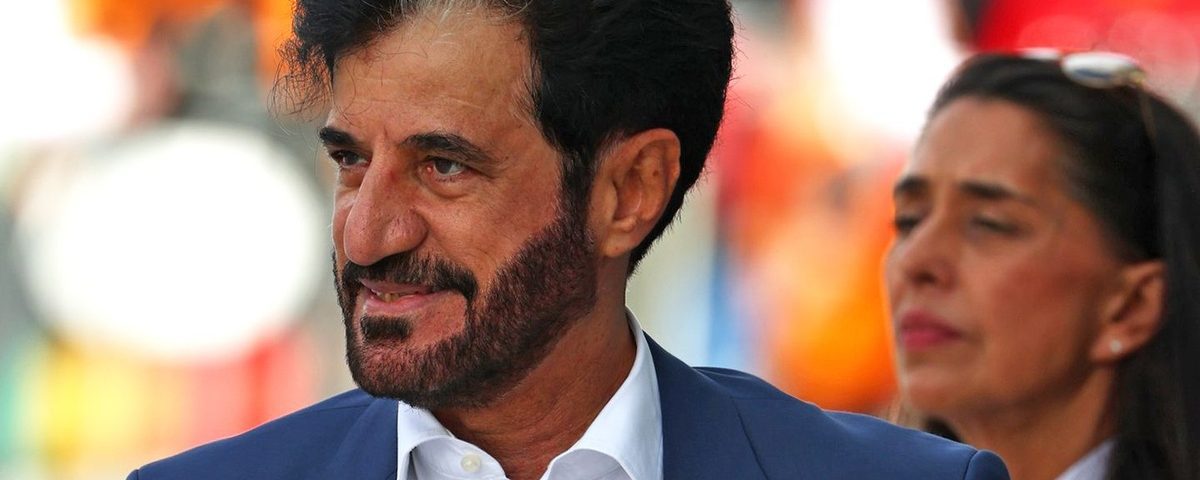
Formula 1 In a significant development for the motorsport world, FIA President Mohammed Ben Sulayem has proposed the removal of term limits for the presidency of the International Automobile Federation (FIA). Announced on May 28, 2026, this proposal suggests repealing Article 20.10 of FIA’s statutes, which currently limits the presidency to three consecutive terms. Ben Sulayem, who was re-elected unopposed in 2025, has expressed a desire to lead the organization without the constraints of term limits, prompting a wave of reactions from various sectors of the motorsport community.
Formula 1: What You Need to Know
The implications of this proposal extend beyond the walls of the FIA; they reach into the very fabric of Formula 1 and its championship dynamics. The governance model of the FIA has a direct impact on regulations, safety standards, and the overall direction of Formula 1. With the sport evolving at a rapid pace, the question arises: does allowing unlimited terms for the FIA president lead to stability or stagnation in decision-making?
Historical Context
The suggestion to eliminate presidential term limits is not unprecedented in the world of sports. In recent years, we have seen various governing bodies in different sports grapple with similar issues. For instance, the International Olympic Committee (IOC) faced scrutiny when former president Thomas Bach proposed extending term limits. The outcome ultimately led to a compromise that allowed for longer tenures but instilled additional checks and balances.
In Formula 1’s past, significant changes in governance have often followed a similar pattern. The establishment of the Formula 1 Group, responsible for commercial rights, was a pivotal moment in the late 1990s. This shift led to a consolidation of power that has both benefited and challenged the championship’s integrity. The introduction of new regulations, such as the budget cap and technical guidelines, have also been influenced by the leadership style at the FIA.
What does history tell us about the possible outcomes of Ben Sulayem’s proposal? In some instances, extended leadership has led to a deeper understanding of the sport’s complexities, allowing for innovative solutions to long-standing issues. However, it can also breed complacency and resistance to change. The balance between experience and the necessity for fresh perspectives is delicate, and the FIA’s decision-making will be scrutinized as this proposal develops.
The response from the Formula 1 community has been mixed. Advocates argue that continuity can lead to more consistent policies and a clearer vision for the sport’s future. Critics, however, voice concerns that unlimited terms could create an environment ripe for favoritism, hinder innovation, and limit the diversity of ideas necessary for the sport’s growth.
Analysis & Key Takeaways
The introduction of new voices and perspectives has historically been beneficial for Formula 1. The sport thrives on competition, not just on the track but also off it. Diverse leadership can lead to breakthroughs that enhance fan engagement, improve safety protocols, and adapt the sport to an ever-changing global landscape.
As the FIA considers the implications of this proposal, stakeholders will undoubtedly keep a close eye on how it aligns with the evolving needs of Formula 1. The championship must remain adaptable, especially in a time when environmental considerations and technological advancements are reshaping motorsport.
Looking Ahead
Should the FIA proceed with abolishing term limits, the landscape of motorsport governance may shift significantly. Additional discussions around the leadership structure, accountability, and transparency are inevitable. The potential for a long-serving president could either stabilize the FIA’s direction or prevent necessary changes that keep pace with the demands of the sport.
Moreover, the decision to remove term limits may lead to a broader conversation about governance in sports. Other organizations may follow suit, reevaluating their own leadership structures in light of this development.
As we reflect on Ben Sulayem’s proposal, the future of Formula 1 hangs in the balance. The sport’s ability to adapt and innovate will determine whether this proposal strengthens its foundations or creates new challenges for its governance.
From our perspective, the proposal to eliminate term limits for the FIA presidency is a double-edged sword. On one hand, retaining experienced leadership could foster long-term strategic planning, essential in navigating the rapidly changing dynamics of motorsport. On the other hand, the risk of entrenching power and discouraging fresh ideas could stifle necessary reforms that Formula 1 desperately needs to remain competitive and relevant.<br />
We believe that a middle ground could be more beneficial for all parties involved. Implementing staggered term limits or a review board that evaluates leadership effectiveness could maintain continuity while ensuring that fresh perspectives are injected into the governance process. As the sports world evolves, so must the governing bodies that lead it, and this proposal opens the door to a vital discussion on how to balance experience with innovation.
Source: Ben Sulayem proposes removal of FIA presidential term limits
Sports News Plus is a news aggregator. We do not own or claim rights to any images, videos, or source content featured on this site. All images and media are the property of their respective original owners and publishers. Article content is independently written based on publicly available news sources, which are credited and linked throughout. Full disclosure →