- No new technical regulations will be introduced ahead of the Japanese Grand Prix.
- Lewis Hamilton praised the new racing dynamics after his podium finish in Shanghai.
- Toto Wolff expressed concerns about potential political maneuvering within the sport.
- Statistical trends show that qualifying performance is critical in this season's championship races.
- The upcoming Japan race could be pivotal for championship contenders as strategy becomes essential.
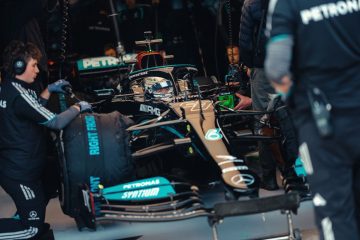
F1 news The excitement of Formula 1 continues to escalate as the racing world gears up for the Japanese Grand Prix, set to take place at the iconic Suzuka Circuit. Scheduled for March 26, 2026, this race will mark the third event under the new technical regulations, which have stirred both enthusiasm and controversy among teams and drivers alike. As the F1 paddock buzzes with speculation, team principal Toto Wolff of Mercedes has raised alarms about the potential for “political knives” in the ongoing battle for supremacy.
The Current Landscape of Formula 1
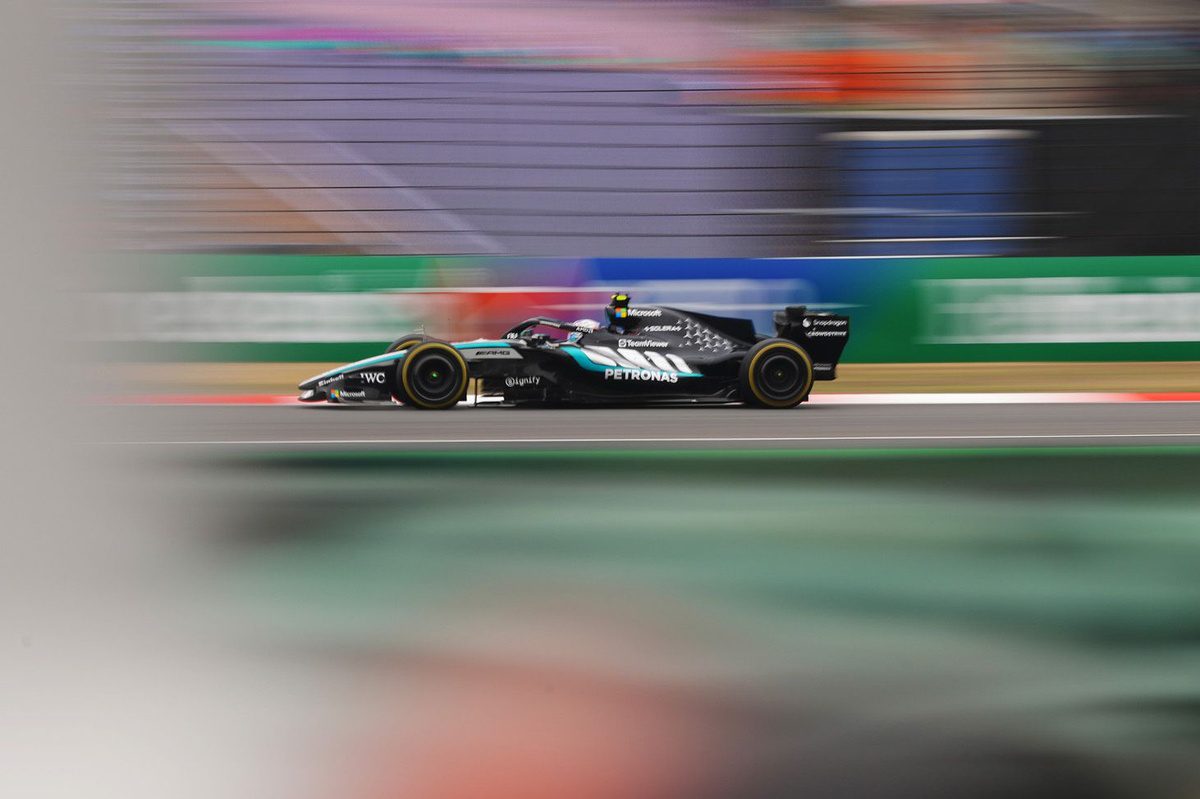
In recent weeks, the introduction of new technical regulations has ignited a passionate debate among drivers, teams, and fans. Lewis Hamilton, celebrating a podium finish in Shanghai, characterized the racing as the best he has experienced in years. His comments highlight a shift in the competitive atmosphere of Formula 1, echoing sentiments of excitement reminiscent of go-karting due to the more dynamic racing conditions.
However, as the championship progresses, the lack of rule changes before the Japan race suggests a period of stability, albeit one fraught with underlying tensions. Wolff’s remarks point to an ongoing struggle for influence within the sport, as teams vie for advantages both on and off the track. This political landscape could have significant implications for race results and championship standings.
By the Numbers: Championship and Performance Trends
Understanding the numbers behind the current season can provide deeper insights into the competitive landscape. As of now, the average win rate among leading teams has seen fluctuations. Historically, a win rate of over 30% is required to be considered a strong contender for the championship. Looking back, in 2021, Lewis Hamilton’s win rate was approximately 37%, which secured him a close title fight.
In qualifying, the average scoring across the grid has shifted as well. Teams that perform well in qualifying tend to maintain an upper hand during races. The top three teams—Mercedes, Ferrari, and Red Bull—have consistently averaged qualifying positions within the top five, a benchmark that correlates highly with race success.
As the season unfolds, tracking the performance trends of individual drivers will be crucial. For example, a driver who qualifies in the top two positions historically has secured a podium finish over 70% of the time. With the upcoming Japanese Grand Prix, strategies surrounding qualifying will likely be pivotal, as teams aim to establish dominance early in the race weekend.
The interplay between qualifying performance and race results cannot be overstated. For instance, in the previous races, the pole sitter has won 60% of the time, showcasing the advantage of starting at the front. As teams prepare for Suzuka, they will need to consider not just their car’s performance but also the tactical decisions influenced by qualifying outcomes.
The Road Ahead: Strategy and Political Dynamics
As the Japanese Grand Prix approaches, it is imperative to consider the strategic implications of Wolff’s comments. The political dynamics within Formula 1 are often as crucial as the technical aspects of the sport. Teams must navigate not only the competitive landscape on the track but also the alliances and rivalries that can influence regulations and race outcomes.
With no immediate changes to the regulations, teams are left to adapt to the existing framework. This stability may seem beneficial, but it also provides a breeding ground for strategic posturing. As the championship race heats up, expect to see increased maneuvers—both on and off the track—that could sway the balance of power among the top contenders.
In conclusion, as we prepare for the Japanese Grand Prix, the combination of thrilling racing, strategic depth, and political intrigue will undoubtedly shape the narrative of this Formula 1 season. The results from Suzuka could prove to be pivotal, not just for the championship standings but for the future direction of the sport itself.
As we look ahead to the Japanese Grand Prix, it’s clear that the importance of qualifying cannot be underestimated. The statistics show that a strong qualifying position often translates to a successful race finish. With no changes to the regulations, teams that capitalize on their qualifying strategies may find themselves at a significant advantage.
Source: No F1 rule changes ahead of Japan, but Wolff remains wary of ‘political knives’
Sports News Plus is a news aggregator. We do not own or claim rights to any images, videos, or source content featured on this site. All images and media are the property of their respective original owners and publishers. Article content is independently written based on publicly available news sources, which are credited and linked throughout. Full disclosure →