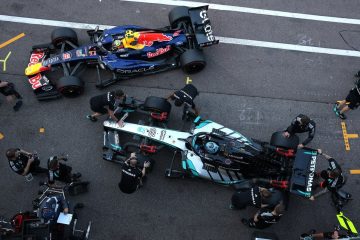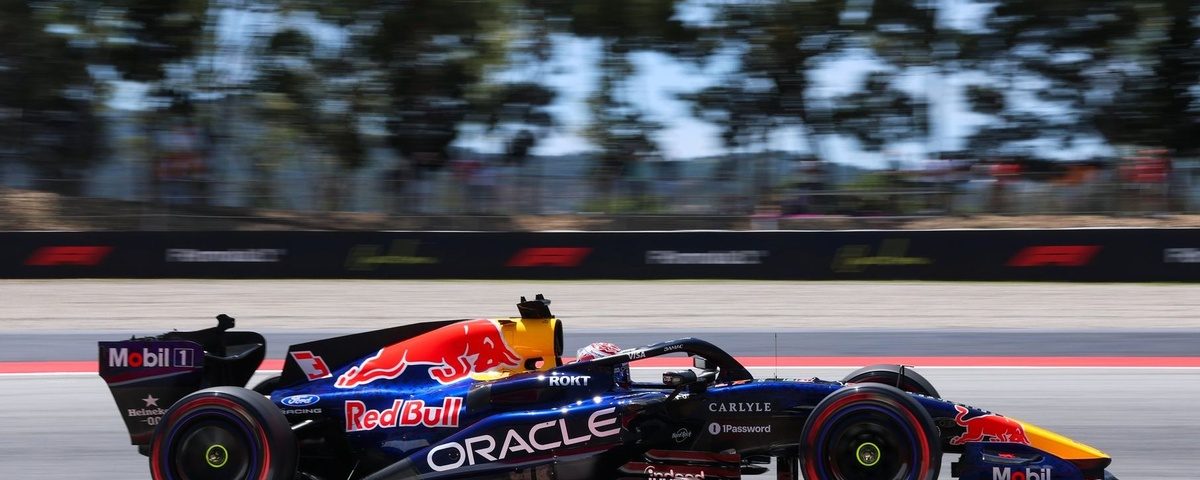
- Red Bull is set to introduce significant upgrades in Austria, impacting their championship standing.
- Ferrari's recent improvements demonstrate the potential for performance leaps with new parts.
- The upcoming Austrian Grand Prix will be crucial for teams to gauge the effectiveness of their upgrades.
- Qualifying results will play a vital role in determining race outcomes amidst evolving team dynamics.
- Fans can expect heightened competition as teams adjust strategies in light of new regulations.
In the ever-evolving world of Formula 1, Red Bull Racing is preparing to unveil an exciting series of upgrades at the upcoming Austrian Grand Prix. Set to take place on July 2, 2026, this race marks a pivotal point in the season as teams strive to capitalize on new regulations that have significantly altered the performance landscape. As teams like Ferrari have already showcased substantial improvements with their latest upgrades, the stakes for Red Bull and its rivals could not be higher.
Formula 1: What You Need to Know
The excitement surrounding Red Bull’s Austria upgrade stems from the team’s ambition to not only maintain their dominance but also to further solidify their position in the championship standings. With the 2026 season introducing regulations aimed at leveling the playing field, the development race has intensified. Teams are now under immense pressure to innovate and adapt quickly, making every upgrade a potential game-changer for the championship race.
The Austrian Grand Prix will be a critical battleground for Red Bull, especially after witnessing how Ferrari’s latest tweaks during the Barcelona Grand Prix propelled them forward. Lewis Hamilton’s victory in Spain, aided by Ferrari’s advancements, highlights the unpredictable nature of the competition. This unpredictability is something fans have come to love about Formula 1; an unexpected twist can reshape the entire championship narrative in a single race.
As we look ahead to the Austrian race weekend, one must consider how these upgrades will affect qualifying sessions. In Formula 1, qualifying results can drastically influence race outcomes. A strong performance in qualifying not only boosts morale but also provides a strategic advantage. Given Red Bull’s historical prowess in qualifying, how they harness their upgrades could very well dictate their race strategy and ultimate race result.
Moreover, with the championship battle heating up, the impact of these upgrades extends beyond mere performance. Teams are also navigating the complexities of driver expectations and selections. If Red Bull’s upgrades yield the desired results, this could solidify the current driver lineup’s position or impact potential future signings as other teams look to bolster their rosters to keep pace.
Analysis & Key Takeaways
What happens next in the championship will also depend on how other teams respond to Red Bull’s advancements. The likes of Mercedes, McLaren, and Aston Martin will be closely monitoring the developments, crafting their own strategies to counteract any gains made by Red Bull. The competition is fierce, and while the upgrades are meant to provide Red Bull with an edge, they may also provoke a swift response from rivals eager to reclaim lost ground.
In anticipation of the Austrian Grand Prix, fans are buzzing with excitement, and expectations are high. The combination of new regulations and upgraded machinery has created an atmosphere ripe for drama, and we can expect nothing less. The ability of teams to adapt to the new realities of Formula 1 will be tested, and the implications are far-reaching, affecting the championship standings and team dynamics.
As we gear up for what promises to be a thrilling race weekend, the developments in Austria will undoubtedly shape the narrative of the 2026 Formula 1 season. The championship race is not just about speed and performance; it’s about strategy, adaptability, and seizing opportunities as they arise.
With the spotlight on Red Bull, the upcoming fixtures will serve as a litmus test for their upgrades and the overall landscape of the championship. Following Austria, fans should keep an eye on subsequent races, as the ripples of this upgrade could influence standings well into the second half of the season. The question on everyone’s lips will be whether Red Bull can leverage their new package to regain the upper hand, or if this season will continue to showcase the surprises that Formula 1 is known for.
The excitement surrounding the Austrian Grand Prix is palpable, and as the cars take to the track, the world will be watching closely. Each lap, each qualifying session, and every race result will carry significant weight as teams vie for supremacy in this thrilling championship battle.
At the SNP editorial desk, we believe that the significance of Red Bull's upgrades extends beyond mere performance metrics. The psychological aspect of competing in a high-stakes environment like Formula 1 cannot be overlooked. Should Red Bull perform well in Austria, it could create a psychological barrier for their competitors, further solidifying their dominance in the championship. Conversely, if they falter, it will open the door for other teams to capitalize on their missteps.<br />
Looking ahead, we foresee that the implications of this upgrade will resonate through the remainder of the season. Teams like Ferrari and Mercedes, who have also been investing heavily in development, will be aiming to exploit any weaknesses that emerge from Red Bull's performance. The narrative of this season is evolving rapidly, and the Red Bull upgrade could very well be the catalyst for a dramatic shift in the standings.
Source: What to expect – and what not to – from Red Bull's Austria upgrade
Sports News Plus is a news aggregator. We do not own or claim rights to any images, videos, or source content featured on this site. All images and media are the property of their respective original owners and publishers. Article content is independently written based on publicly available news sources, which are credited and linked throughout. Full disclosure →