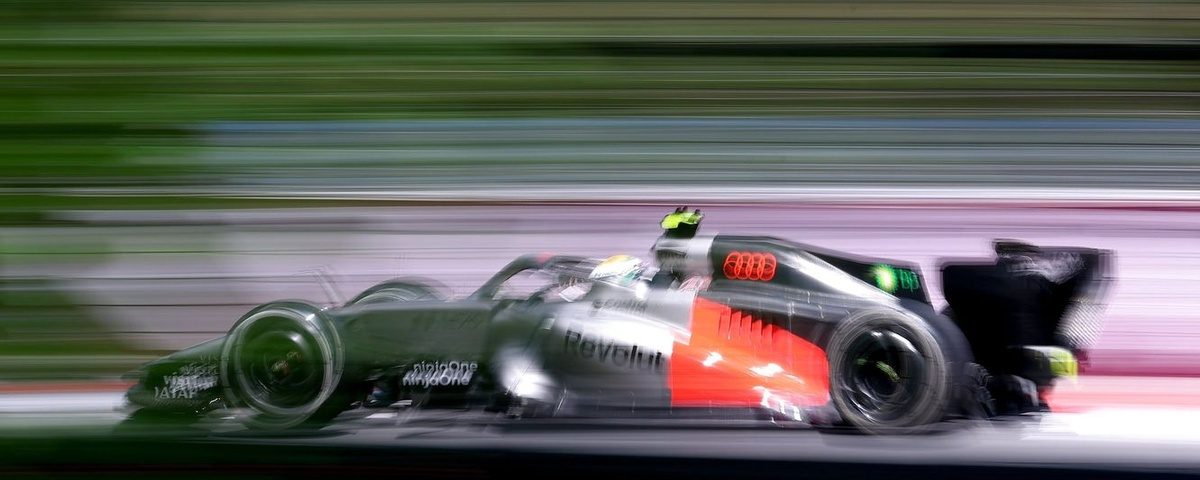
- Audi is open to discussions regarding future F1 engine regulations.
- The 2026 season will introduce new technical regulations in Formula 1.
- FIA and F1 leadership are optimistic about future regulatory changes.
- The next regulatory cycle may influence team strategies and car designs.
- Fan expectations will shift as teams prepare for upcoming engine changes.
In a significant development for the motorsport community, Audi has expressed its support for the ongoing discussions surrounding future Formula 1 engine regulations. This comes in light of the impending 2026 season, which marks the introduction of new technical regulations aimed at improving performance and sustainability in Formula 1. The discussions are not just confined to the near future; they are also paving the way for the next regulatory cycle, scheduled to begin in 2031. However, the possibility of accelerating this timeline looms large, depending on the consensus among key stakeholders.
Formula 1: What You Need to Know
Audi’s statement reflects a willingness to engage with the evolving landscape of Formula 1, particularly regarding the concerns raised about traditional V8 engines. While some teams and manufacturers have been pushing for a shift towards more environmentally sustainable options, Audi has indicated that they do not oppose the use of V8 engines. This stance suggests a potential balancing act between performance and environmental considerations, which is a critical theme in the current era of motorsport.
As the 2026 season approaches, teams will be working diligently to adapt to the new regulations. The introduction of hybrid engines and a stronger focus on sustainability will impact everything from car design to race strategies. Teams like Mercedes and Red Bull Racing, who have dominated the championship standings in recent years, will need to reassess their approaches to maintain their competitive edge. New entrants and lesser-known teams could seize the opportunity to innovate, potentially disrupting the traditional power dynamics in the championship.
What lies ahead is not just a question of car performance but also of fan engagement. The forthcoming changes are likely to influence how fans perceive their favorite teams and drivers. While some purists may lament the departure from traditional engine formats, others may welcome the promise of a greener, more modern Formula 1. This dichotomy will shape the narratives around upcoming races, especially as teams prepare for the 2026 season and beyond.
Analysis & Key Takeaways
As discussions continue, the FIA and F1 management are optimistic about the potential for these changes. Both FIA president Mohammed Ben Sulayem and F1 CEO Stefano Domenicali have highlighted the importance of collaboration among teams and manufacturers to foster innovation. Their positive outlook indicates that the sport is committed to evolving in a way that balances competitiveness with responsibility towards the environment.
However, the timeline for these changes remains uncertain. While the regulations are slated to shift in 2031, the possibility of an earlier introduction is on the table. This ambiguity creates a sense of urgency among teams as they evaluate their current standings and consider the potential impact on driver lineups and sponsorship deals. With a focus on the championship as teams jockey for position ahead of the next phase of technological evolution, we could see a flurry of activity in the transfer market as drivers and teams reassess their strategies for success.
Looking further ahead, the implications of Audi’s position may extend beyond engine formats. The potential for new partnerships and collaborations among teams to meet regulatory demands may emerge, particularly as teams with different philosophies come together to navigate the changing landscape. This could lead to strategic alliances that reshape not only the championship standings but also race results and qualifying dynamics in the coming years.
As fans prepare for the upcoming races, their expectations will evolve alongside the sport. The excitement surrounding new regulations and the prospect of innovative technologies will undoubtedly inject fresh energy into the Formula 1 community. Ultimately, the dialogue initiated by Audi’s statements could serve as a catalyst for a thrilling new chapter in the sport, marked by breakthroughs on and off the track.
The upcoming fixtures in the 2026 season will be crucial as teams position themselves for success under the new regulations. The changes to engine specifications, coupled with the competitive spirit that defines Formula 1, promise an exhilarating season ahead. As we look toward the future, we can expect that the developments initiated today will resonate throughout the championship, shaping not only race results but also the very essence of what it means to compete in Formula 1.
In our view, Audi's openness to the upcoming discussions on engine regulations is a strategic move that aligns with broader trends in the automotive industry. As manufacturers face increasing pressure to adopt sustainable practices, their commitment to Formula 1 must reflect this shift. We believe that the 2026 season will not only serve as a testing ground for new technologies but also as a litmus test for how fans will embrace these changes.<br />
Furthermore, this dialogue could lead to a potential reshuffling of the grid. Teams that adapt quickly and effectively to the new regulations may find themselves rising through the ranks, while those that cling to traditional methods risk falling behind. The stakes are high, and the upcoming season could drastically alter the landscape of Formula 1 as we know it.
Source: Audi responds to F1's future engine plans: "We don't have problems with V8s"
Sports News Plus is a news aggregator. We do not own or claim rights to any images, videos, or source content featured on this site. All images and media are the property of their respective original owners and publishers. Article content is independently written based on publicly available news sources, which are credited and linked throughout. Full disclosure →