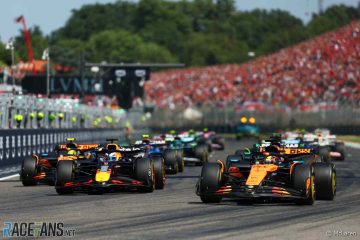
- The 2026 Formula 1 season will see a significant shift with the Bahrain Grand Prix moving to Malaysia.
- This change comes amid ongoing conflicts in the Middle East, impacting race scheduling.
- The strategic decision aims to maintain the championship's integrity and excitement.
- Malaysia’s diverse track offers a unique challenge for drivers, enhancing race dynamics.
- The shift could set a precedent for future race locations based on geopolitical stability.
In a notable shift for the 2026 Formula 1 season, the Bahrain Grand Prix will be relocated to Malaysia. This change is part of a broader strategy to navigate the challenging geopolitical landscape in the Middle East. The decision reflects a commitment to providing a safe and competitive environment for teams and fans alike. Scheduled to take place in March 2026, the race will now unfold at the Sepang International Circuit, a venue renowned for its thrilling layout and passionate motorsport culture.
The move to Malaysia comes as Formula 1 continues to adapt to the complexities of international racing. The ongoing conflicts in the Middle East have raised concerns about safety and logistics, prompting the F1 governing body to explore alternative venues. By shifting the Bahrain Grand Prix, F1 aims to secure a stable environment while still delivering a captivating race experience for fans.
This transition carries significant implications for the championship beyond just logistics. The Sepang International Circuit, which has hosted F1 races in the past, presents a unique set of challenges. Its configuration demands high levels of technical skill and strategy from drivers, enhancing the race’s potential for dramatic on-track action. With long straights and tight corners, teams will need to adapt their car setups to maximize performance in Malaysia’s humid conditions.
The Impact on the Championship Landscape
As the 2026 season looms, the Bahrain Grand Prix’s move to Malaysia could influence the title race in unforeseen ways. With qualifying and race results heavily dependent on the characteristics of the circuit, teams that excel in data analysis and car setup will hold an advantage. The shift not only affects the teams’ strategic preparations but also the psychological aspect of competition.
Drivers will have to familiarize themselves with the intricacies of the Sepang track, which demands precision and adaptability. This could level the playing field, giving teams that typically struggle at certain circuits a chance to shine. The unpredictability of race results in Malaysia could make the championship race even more thrilling as teams vie for crucial points.
Furthermore, the change in venue highlights F1’s response to global dynamics. As the championship expands its footprint into new territories, it also reflects a growing awareness of geopolitical realities. The decision to host the Grand Prix in Malaysia instead of Bahrain is indicative of a broader strategy to ensure that races remain viable and exciting, despite external challenges.
Tactical Breakdown: Strategic Dimensions of the Move
The tactical implications of moving the Bahrain Grand Prix to Malaysia are vast and multifaceted. From a technical standpoint, teams will need to analyze the Sepang circuit’s unique features to optimize their performance. The circuit’s 5.543 km layout includes a mix of high-speed straights and challenging corners, making it a true test of engineering and driver skill.
One key battle will be the tire strategy, as the hot and humid conditions can significantly impact tire degradation. Teams that can effectively manage their tire wear will not only perform better during the race but will also have an edge in qualifying. The ability to maintain grip and performance over long stints will be crucial for success.
Additionally, understanding the weather patterns in Malaysia will be vital. Sudden rain showers can dramatically alter race conditions, creating a tactical gap that teams must be ready to navigate. This unpredictability will encourage teams to develop flexible strategies that can adapt to changing circumstances, keeping fans on the edge of their seats.
In conclusion, the decision to host the Bahrain Grand Prix in Malaysia signifies a pivotal moment for Formula 1 as it continues to evolve in response to global challenges. This move not only safeguards the race’s integrity but also promises to add fresh dynamics to the championship race. As teams prepare for this new chapter, the excitement surrounding the 2026 season intensifies, with fans anticipating thrilling performances on the track.
From our perspective, the relocation of the Bahrain Grand Prix to Malaysia is a brilliant strategic maneuver by Formula 1. It showcases the sport's commitment to adaptability, ensuring that geopolitical issues do not overshadow the racing experience for fans and participants alike. This decision could pave the way for future races to be held in places that prioritize safety and stability, which is crucial for the sport's growth.<br />
Moreover, the dynamics at the Sepang International Circuit could lead to unexpected outcomes in the championship standings. We believe that this change will invigorate the competition, with a mix of established teams and dark horses potentially redefining their approaches to the race. The unpredictability of race results in a new environment could result in a championship run that keeps fans engaged until the very end.
Source: Why the 2026 F1 season won’t end in Las Vegas
Sports News Plus is a news aggregator. We do not own or claim rights to any images, videos, or source content featured on this site. All images and media are the property of their respective original owners and publishers. Article content is independently written based on publicly available news sources, which are credited and linked throughout. Full disclosure →