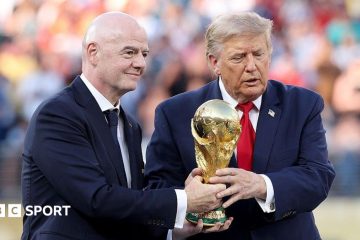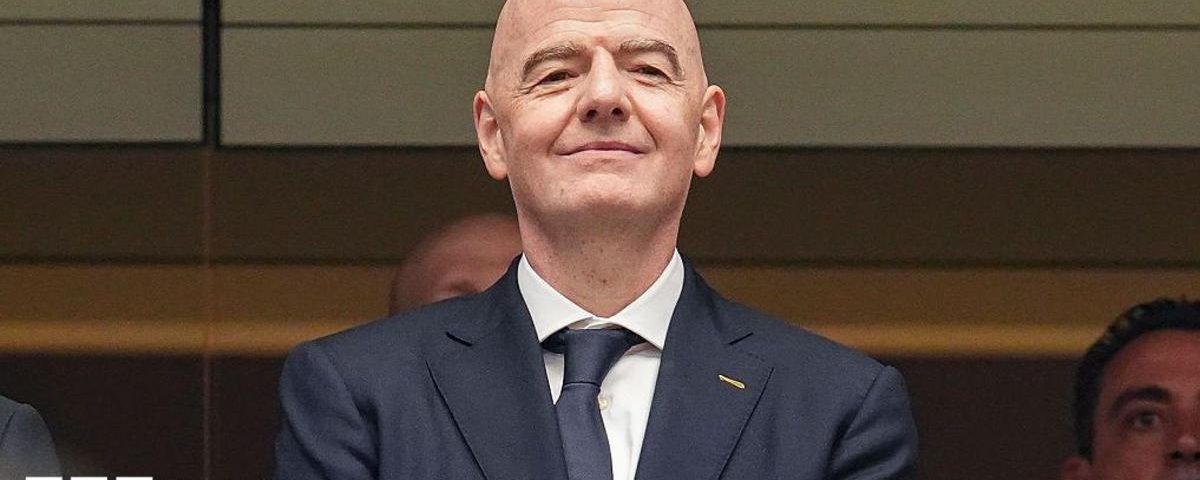
- FIFA President Gianni Infantino is considering selling stakes in the World Cup to raise funds.
- This move may shift control away from traditional football governance structures.
- Concerns arise over the potential impact on fan engagement and the integrity of the sport.
- Infantino's decision could reflect broader trends in sports commercialization.
- The future of football governance hangs in the balance, with implications for upcoming transfers and match results.
World Cup sell-off In a bold and controversial move, FIFA President Gianni Infantino has proposed a sell-off of stakes in the World Cup, potentially reshaping the landscape of international football governance. Announced on July 29, 2026, this initiative aims to generate significant revenue streams for FIFA, but it has sparked a heated debate about the implications for the sport. With this proposed shift, questions arise regarding the motivations behind Infantino’s plan, the stakeholders involved, and the long-term effects on the World Cup’s integrity.
Infantino’s proposal occurs against a backdrop of increasing commercialization in sports, where the lines between profit motives and sporting integrity continue to blur. As the world of football grapples with significant financial challenges, notably post-pandemic recovery and the rising costs of player transfers, the urgency for innovative revenue solutions has never been clearer. By selling stakes in the World Cup, Infantino may be positioning FIFA to capitalize on the lucrative global sports market. However, this move could compromise the values that have traditionally governed the beautiful game.
The World Cup, emblematic of football’s rich history, has always been more than just a series of matches; it represents a cultural phenomenon that unites fans across the globe. Concerns loom that Infantino’s proposal might dilute this essence. As the premier tournament, the World Cup has thrived on its exclusivity and prestige, and any shift toward commercialization could risk alienating the very fans who are the lifeblood of the sport. With the Premier League already facing scrutiny for its financial practices and player transfer deals, the implications of FIFA’s potential sell-off could reverberate throughout global football.
The transfer market has become a battleground for clubs seeking to bolster their squads while navigating financial constraints. As FIFA considers this drastic restructuring, it is crucial to examine how these decisions may influence future transfer negotiations and match results. If the World Cup’s financial model shifts significantly, it could lead to a trickle-down effect where clubs and leagues reevaluate their own strategies. This could, in turn, affect how they engage with fans and approach player acquisitions.
Potential Consequences for Football Governance
The prospect of selling stakes in the World Cup raises fundamental questions about governance in football. Traditionally, FIFA has operated with a focus on maintaining the sport’s integrity, yet this sell-off may signal a shift toward prioritizing financial gain over ethical considerations. The World Cup should represent the pinnacle of sporting achievement, but with corporate interests potentially steering its direction, we must ask ourselves: what does this mean for the governance structures that have upheld the sport?
As FIFA navigates these uncharted waters, the potential for increased investment from corporate entities could lead to a more commercialized approach to football. While this could bring in much-needed revenue, it also risks creating disparities between clubs and nations. Smaller federations or clubs may struggle to compete in an increasingly monetized environment, leading to a widening gap between the elite and the grassroots levels of the sport.
Furthermore, the prospect of external stakeholders wielding influence over the World Cup could set a concerning precedent. The fear is that this could lead to decisions driven more by profit margins than by the spirit of fair competition. Football fans, who have historically viewed the World Cup as a celebration of the sport, may begin to feel disenfranchised if their passion is overshadowed by commercial interests.
Looking Ahead: The Future of Football
As we reflect on Infantino’s controversial plan, it is imperative to consider the broader implications for football. The sell-off, if executed, could redefine the relationship between fans, clubs, and governing bodies. As we have seen with recent high-profile transfers, the financial landscape of football is rapidly evolving. The World Cup’s potential shift toward privatization may influence how clubs approach their strategies, particularly in relation to marquee signings and transfer negotiations.
As we look to the future, the landscape of football governance must adapt to these changes while safeguarding the values that make the sport special. The challenge will be to strike a balance between financial sustainability and the integrity of the game, ensuring that the World Cup remains a beacon of hope and unity for fans worldwide.
The stakes have never been higher, and as football fans, we must remain vigilant in advocating for a sport that honors its traditions while embracing the innovations of the modern era.
In analyzing Infantino's sell-off proposal, we feel it is crucial to address the underlying motivations that have driven FIFA to consider such a drastic measure. While the potential for increased revenue is evident, it raises ethical questions about the future direction of football, particularly as it relates to governance and fan engagement. Our view is that if this move goes ahead without careful consideration, it could lead to a scenario where the sport prioritizes financial profit over the passion and community that football represents.<br />
Moreover, the implications of this proposal extend beyond just the World Cup. We must consider how this could affect the broader football ecosystem, including leagues like the Premier League, where the dynamics of transfer and player valuation are already in flux. It remains to be seen whether fans will accept a future where the essence of the World Cup is compromised in the name of profit, but our instincts tell us that a pushback is likely, echoing the sentiments seen in other sports facing similar dilemmas.
Source: Is World Cup sell-off plan a step too far by Infantino?
Sports News Plus is a news aggregator. We do not own or claim rights to any images, videos, or source content featured on this site. All images and media are the property of their respective original owners and publishers. Article content is independently written based on publicly available news sources, which are credited and linked throughout. Full disclosure →