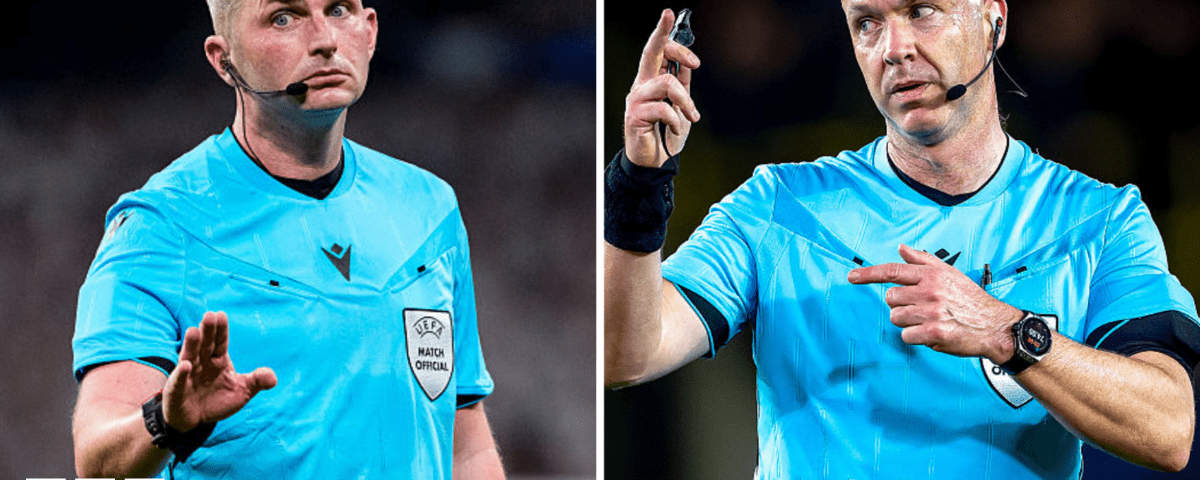
- Michael Oliver and Anthony Taylor have been selected as referees for the 2026 World Cup.
- This appointment showcases the rising influence of English referees in international football.
- Their experience in the Premier League positions them well for the global stage.
- Historical precedents reveal a mix of outcomes for referees in major tournaments.
- This selection could influence the perception of officiating standards in future competitions.
World Cup referees In a landmark decision for English football, Michael Oliver and Anthony Taylor have been appointed as referees for the upcoming 2026 World Cup. The announcement, made on April 9, 2026, highlights the growing prominence of English officials on the international stage. Both referees have carved out impressive careers in the Premier League, officiating high-stakes matches and pivotal moments, making them well-suited for the pressures of a World Cup tournament. The 2026 World Cup, set to take place across the United States, Canada, and Mexico, promises to be a showcase of talent, both on and off the pitch.
Oliver, known for his calm demeanor and quick decision-making, has been a staple in the Premier League for over a decade. His expertise has been instrumental in managing high-tempo matches and defusing potentially contentious situations. Taylor, meanwhile, brings a wealth of experience, having officiated numerous domestic and international fixtures. Their selections signal the trust that FIFA places in English referees, a trend that has been gaining momentum in recent years.
Historical Context: Refereeing at World Cups
The appointment of Oliver and Taylor is not without precedent. Historically, World Cup referees have come from various nations, but certain countries have consistently produced top officials. For instance, Italian referees like Pierluigi Collina and Howard Webb from England have left indelible marks on the tournament. Collina, renowned for his imposing presence and authoritative style, officiated in the 2002 and 2006 World Cups, where he became a symbol of fairness and respect. Similarly, Webb’s officiating in the 2010 World Cup final remains a benchmark for aspiring referees.
Past tournaments have illustrated the high stakes involved in officiating at the World Cup. In 1998, the infamous decision by referee Sandro Ricci to award a controversial penalty in the group stage was met with widespread criticism and debate. Such decisions can alter the match result and influence the trajectory of a team’s campaign. The historical lens reveals that while some referees thrive under the pressure, others struggle, leading to increased scrutiny and, at times, backlash from fans and players alike.
As we look ahead to the 2026 tournament, the historical context serves as a reminder of the weighty responsibility that comes with officiating at this level. The success or failure of the selected referees could impact not only the outcomes of individual matches but also the broader perception of officiating standards in football.
The Road Ahead for Oliver and Taylor
With the World Cup on the horizon, Oliver and Taylor must prepare themselves for an unprecedented level of scrutiny. Each match will be dissected by analysts and fans alike, with every decision, every card, and every penalty potentially shaping the tournament’s narrative. Their experience in the Premier League, where they regularly officiate matches that feature intense rivalries and high stakes, will serve as a crucial advantage.
However, history has taught us that even the most seasoned referees are not immune to pressure. As we saw with the fallout from controversial decisions in past tournaments, the psychological toll of officiating under the bright lights of a World Cup can be immense. Oliver and Taylor will need to remain focused and resilient, drawing on their extensive experience to navigate the complexities of international football.
Looking further into the future, the implications of their appointments extend beyond the 2026 World Cup. Successful officiating could pave the way for greater recognition of English referees in international football, potentially leading to further appointments in future tournaments. Additionally, their performance may influence FIFA’s approach to referee selection and training, possibly ushering in a new era of officiating standards.
In conclusion, the selection of Michael Oliver and Anthony Taylor as World Cup referees is a momentous occasion that intertwines history and future potential. Their roles will not only test their individual capabilities but also serve as a litmus test for the evolution of refereeing in the world of football.
At our editorial desk, we view the selection of Oliver and Taylor as both a recognition of their individual skills and a strategic choice by FIFA. Their experience in the Premier League is invaluable, not just for their ability to manage intense matches but also for their familiarity with VAR technology, which will undoubtedly play a crucial role in the World Cup. As we analyze this decision, it’s clear that FIFA is prioritizing officials who can adapt to the evolving landscape of football officiating.<br />
Furthermore, we can't ignore the historical implications of this choice. If Oliver and Taylor perform well, we might see a shift in how referees from different leagues are viewed in the global context. However, the pressure is on; any misstep could lead to intense scrutiny and criticism, much like we've seen in past tournaments. As such, the world will be watching closely, and the outcome of their performances will resonate far beyond the match results.
Source: Oliver and Taylor selected as World Cup referees
Sports News Plus is a news aggregator. We do not own or claim rights to any images, videos, or source content featured on this site. All images and media are the property of their respective original owners and publishers. Article content is independently written based on publicly available news sources, which are credited and linked throughout. Full disclosure →