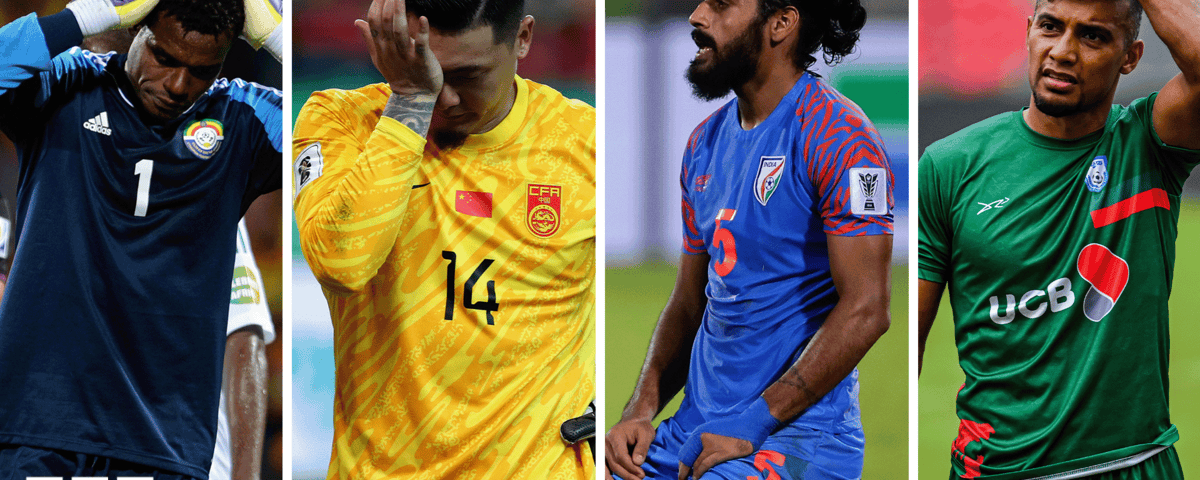
- Eight of the ten most populous countries are absent from the World Cup.
- This absence highlights systemic issues in talent development and coaching.
- Countries like India and Indonesia need strategic overhauls in their footballing frameworks.
- The gap also reveals opportunities for smaller nations to capitalize on.
- If these populous nations adapt their strategies, they could reshape global football dynamics.
As the football world gears up for the next World Cup, a striking fact has emerged: eight of the ten most populous countries are set to miss out on this prestigious tournament. This revelation highlights a fundamental issue in global football, where nations with significant populations like India, Indonesia, and Nigeria struggle to translate their demographic advantages into successful national teams. The upcoming tournament, scheduled for summer 2026, will once again illuminate the divide between football powerhouses and those nations that have yet to capitalize on their potential.
World Cup: What You Need to Know
Football’s global appeal is undeniable, yet many populous nations have consistently failed to qualify for the World Cup. Historical factors, varying levels of investment in grassroots football, and infrastructural challenges contribute to this phenomenon. Countries like India, with a population exceeding 1.4 billion, have not qualified for the World Cup since its inception. Similarly, Indonesia, despite its substantial fanbase, has struggled to make a mark on the international stage. The absence of these nations raises questions about talent development, coaching standards, and strategic planning.
The tactical implications of this situation are profound. While smaller nations have found success through focused strategies, larger countries often lack the agility needed to shift their footballing paradigms. The absence of a structured youth development system or a coherent tactical philosophy results in a fundamental gap. The tactical breakdown of these populous nations reveals a lack of cohesive play, often characterized by reliance on individual talent rather than team dynamics.
Let’s analyze how these gaps manifest on the pitch. Many of these countries employ outdated formations that fail to adapt to modern football. For instance, teams relying on a rigid 4-4-2 formation often struggle against opponents who utilize dynamic pressing and fluid attacking strategies. This rigidity can lead to a lack of creativity in the final third, resulting in poor match results and minimal goals scored in crucial qualifying fixtures.
Analysis & Key Takeaways
In addition, key battles in matches often highlight the tactical deficiencies of these nations. For instance, when faced with teams that employ high pressing tactics, countries like India and Nigeria have been unable to maintain possession, leading to a breakdown in their build-up play. This has resulted in a disjointed approach where players are often forced into making hurried decisions, further compounding their inability to secure favorable match results.
Moreover, the coaching standards in these populous nations play a pivotal role in their World Cup qualification woes. Without access to top-tier coaching education, many coaches are ill-equipped to foster a tactical mindset among their players. This lack of expertise can hinder the development of a winning culture, resulting in a failure to produce players capable of competing on the world stage.
To turn the tide, these nations must undertake a comprehensive overhaul of their footballing frameworks. Investment in grassroots programs, modern coaching techniques, and a focus on tactical education will be crucial for long-term success. Countries like India could benefit from establishing partnerships with football academies in Europe, allowing for the transfer of knowledge and expertise that could elevate their game.
The missed opportunity for these populous nations to qualify for the World Cup also presents a unique landscape for smaller nations. Countries that have successfully implemented strategic plans, such as Croatia and Iceland, have shown that with the right approach, it is possible to outperform larger rivals. These examples serve as a blueprint for populous nations to redefine their footballing identities and aspire for greatness on the global stage.
In conclusion, the striking absence of many populous countries from the World Cup is a multifaceted issue rooted in tactical shortcomings and a lack of cohesive development. As the footballing world evolves, these nations need to adapt or risk remaining on the sidelines. The next World Cup in 2026 could be a turning point for countries willing to embrace change, invest in their footballing futures, and rethink their strategies. The potential for growth is immense, and with the right moves, these nations could soon find themselves competing not just in regional tournaments but on the grandest stage of them all.
As we reflect on the future of football, it's evident that the underperformance of populous nations presents both challenges and opportunities. The systemic issues these countries face are not insurmountable; rather, they require a paradigm shift in how football is perceived and nurtured. Our view is that the global football community must engage in collaborative efforts to support these nations, bridging the gap between talent potential and performance.<br />
Moreover, if populous countries can successfully implement strategic changes, they have the potential to reshape the very fabric of international football. We can expect that as they invest in youth systems and modern coaching, the dynamics of the World Cup will evolve, leading to a more competitive environment where traditional powerhouses are challenged more frequently. The future could see a World Cup enriched by the presence of diverse footballing nations, leading to a more inclusive and dynamic global tournament.
Source: Eight of the 10 most populous countries are not in the World Cup
Sports News Plus is a news aggregator. We do not own or claim rights to any images, videos, or source content featured on this site. All images and media are the property of their respective original owners and publishers. Article content is independently written based on publicly available news sources, which are credited and linked throughout. Full disclosure →