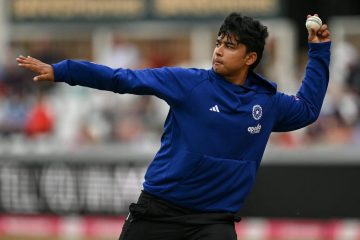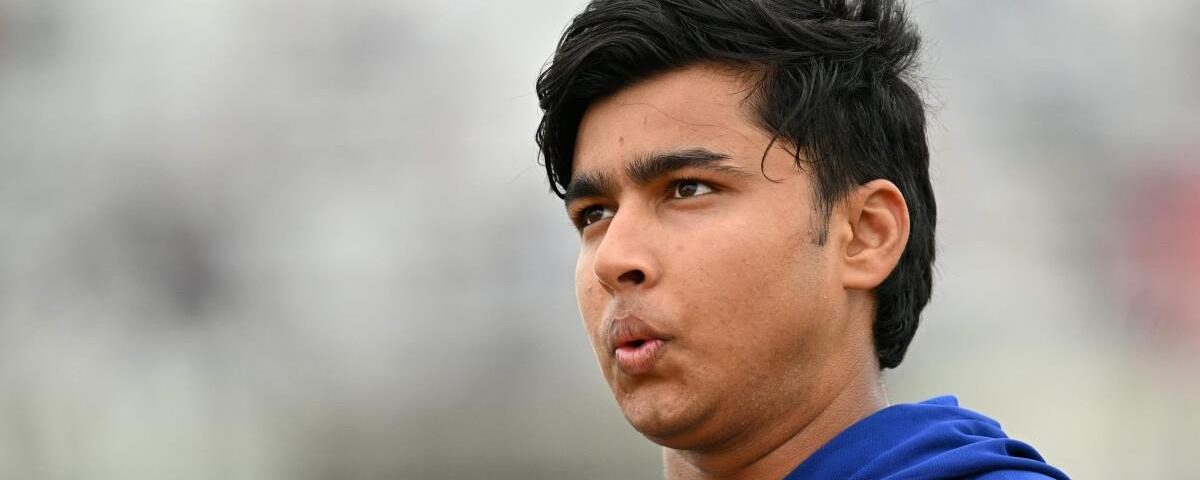
- Vaibhav Sooryavanshi debuted for India at just 15 years old.
- He is the first teenager to play for the Indian men's team this decade.
- Sooryavanshi's entry into international cricket highlights India's focus on youth development.
- Historically, young cricketers have made significant impacts on the game.
- His debut could signal a shift in the BCCI's approach to nurturing young talent.
Youngest Indian cricketer In a remarkable turn of events for Indian cricket, Vaibhav Sooryavanshi made his debut for the national team at the tender age of 15. This historic appearance took place during a recent ODI series on July 4, 2026, showcasing not only his immense talent but also the cricketing fraternity’s confidence in young athletes. Sooryavanshi’s emergence is notable as he becomes the first teenager to don the Indian colors this decade, joining a select group of youngsters who have made their mark in the international arena.
Youngest Indian cricketer: What You Need to Know
The significance of this debut cannot be overstated. Over the years, numerous players have burst onto the scene at a young age, and their contributions have often shaped the future of the sport. As a product of the robust youth development programs initiated by the Board of Control for Cricket in India (BCCI), Sooryavanshi’s skills have been honed through rigorous training and competitive exposure. His entry into the national team is a testament to the effectiveness of these programs, which aim to identify and nurture talent from an early age.
Historically, players like Sachin Tendulkar and Virat Kohli have set benchmarks for young cricketers in India. Tendulkar made his debut at just 16 years old, while Kohli, who debuted at 19, quickly established himself as one of the best batsmen in the world. The challenge for Sooryavanshi will be to not only replicate their success but also to carve out his own identity in a sport that places immense pressure on young talents.
Sooryavanshi’s debut raises pertinent questions about the current landscape of cricket in India. As the sport evolves, the BCCI’s focus on youth development has intensified, with several academies popping up across the country. This trend signifies a shift in strategy, where cricketing organizations recognize the value of grooming young players who can compete at the highest levels without a steep learning curve.
By the Numbers: Young Players in International Cricket
To put Sooryavanshi’s debut into perspective, we can look at some relevant statistics that highlight the significance of young players in international cricket. Historically, players who debuted at a young age have shown impressive win rates in test matches and ODI series. For instance, players debuting before the age of 20 often have a higher average of runs scored in their early years, contributing significantly to their teams.
Analysis & Key Takeaways
In terms of wicket-taking, young bowlers have also made a mark, with several reporting impressive strike rates and average wickets taken per match. A notable example is Hasan Ali, who made waves in international cricket soon after his debut at 22, setting a high standard for upcoming bowlers. The data suggests that early exposure to international play can accelerate a player’s development, allowing them to adapt to the pressures of the game more quickly.
Moreover, recent trends indicate that cricket boards worldwide are increasingly willing to invest in youth, with a growing number of players under the age of 20 making debuts across formats. The BCCI, by allowing Sooryavanshi to debut at 15, is aligning with this global trend, potentially setting the stage for a new generation of cricketing stars.
As we witness the rise of Vaibhav Sooryavanshi, one can only wonder how this young cricketer will fare in the competitive landscape of international cricket. Will he follow in the footsteps of legends, or will he create a new legacy of his own? India has a rich history of nurturing young talents, and Sooryavanshi’s debut is a promising indication of the BCCI’s commitment to investing in the future of the sport.
Sooryavanshi’s debut also raises the question of how the current Indian squad, infused with experienced players, will adapt to having such a young member. History informs us that integrating young talents into established teams can lead to both challenges and opportunities. While the pressure to perform at an elite level can be daunting for someone so young, it can also stimulate growth and confidence.
As we continue to track Sooryavanshi’s journey, the cricketing world awaits with bated breath. His performance in the coming matches could reshape perceptions of youth in cricket, proving that age is just a number when talent and determination are at play.
From our perspective, Vaibhav Sooryavanshi's debut marks a pivotal moment not just for him but for Indian cricket as a whole. As we reflect on the implications of introducing such young talent into the team, we see a dual opportunity for growth — both for the player and for the team dynamics. Historically, young players have faced immense pressure, but they have also brought fresh energy and new styles of play, which the older generation often embraces.<br />
Looking ahead, we believe Sooryavanshi could be a catalyst for change within the Indian cricket setup. His presence could encourage the BCCI to further invest in youth and create a robust pipeline tailored toward nurturing the next generation. As cricket continues to evolve with technological advancements and changing formats, having young players adapt early could be key to maintaining competitiveness on the international stage.<br />
In essence, Sooryavanshi’s debut is more than a personal milestone; it signals an evolving cricket culture in India that increasingly values youth, innovation, and adaptability. As fans and analysts, we should keep a keen eye on how this young cricketer develops, not just for his sake, but for the future of Indian cricket.
Sports News Plus is a news aggregator. We do not own or claim rights to any images, videos, or source content featured on this site. All images and media are the property of their respective original owners and publishers. Article content is independently written based on publicly available news sources, which are credited and linked throughout. Full disclosure →