- UEFA's threat to boycott the World Cup poses significant questions for FIFA's future.
- Fan sentiment is divided, with many expressing outrage over governance.
- Social media is buzzing with debates about the impact on club seasons.
- Supporters fear for their teams' chances amidst uncertainty.
- The future of FIFA leadership may hinge on fan engagement and response.
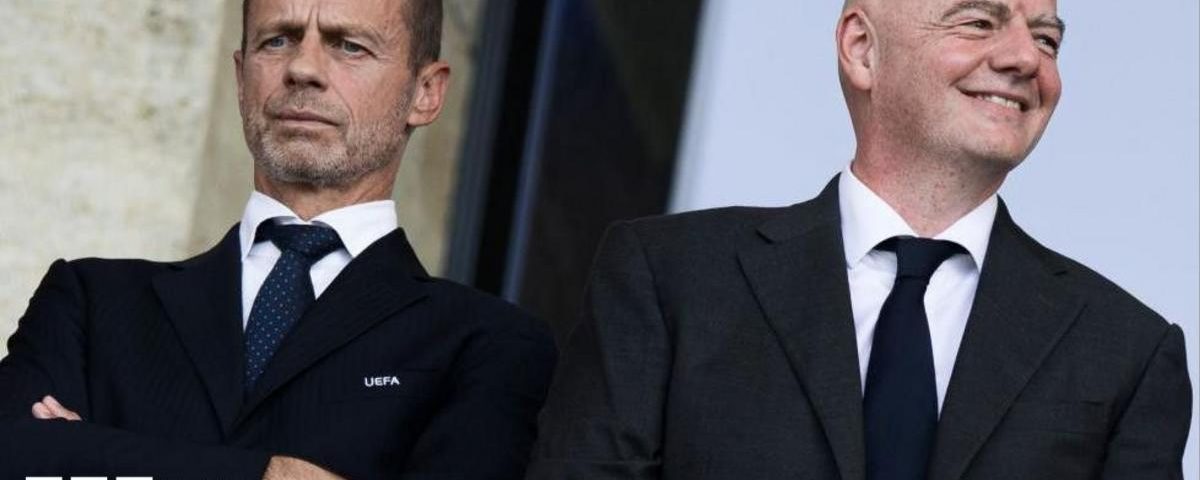
World Cup boycott In a dramatic turn of events within international football, UEFA has threatened to boycott the upcoming World Cup, a decision that could reshape the landscape of the sport. This significant development follows Concacaf’s rejection of FIFA President Gianni Infantino’s funding proposal, leading many to wonder about Infantino’s future in the role. With these tensions emerging as of July 31, 2026, fans are left questioning not only the implications for the World Cup but also the governance of the sport they love.
World Cup boycott: What You Need to Know
As details of the potential boycott circulate, fans are reacting with a mixture of disbelief and anger on social media platforms. Many supporters are posting their thoughts on Twitter, Instagram, and Facebook, with hashtags like #WorldCupBoycott trending. The overwhelming sentiment is one of frustration directed towards FIFA’s leadership and the perceived lack of transparency in football’s governance. Fans are particularly vocal about how these developments could affect their teams’ performance in the Premier League and other leagues, as the uncertainty looms large over the football calendar.
The prospect of a World Cup boycott raises critical questions about the future of the tournament and the relationships among governing bodies worldwide. Should UEFA follow through, it could create a rift that not only impacts the World Cup but also affects club football, leading to potential disruptions in the Premier League and transfer market dynamics. If UEFA’s resolution leads to an actual boycott, fans might see a ripple effect that impacts transfer decisions, player morale, and even the officiating of domestic matches.
This tumultuous backdrop has prompted many fans to take to social media, voicing their concerns about player participation and the overall integrity of the sport. Conversations are surfacing around whether players should support their federations’ decisions or continue to pursue international glory. Supporters are divided; while some believe a boycott is necessary to challenge FIFA’s power, others worry about the implications for their favorite clubs and players who rely on international tournaments for recognition and career advancement.
Analysis & Key Takeaways
The debate around fan engagement in this scenario is critical. Supporters feel particularly empowered when they see their clubs taking a stand against governance issues. The idea of a boycott resonates with many as they perceive it as a form of protest against decisions made by those in power without adequate consideration of the fans’ interests. However, fans are also expressing concern about how this could affect their teams’ chances in the Premier League, especially if key players are absent from upcoming international fixtures as a result of a boycott.
With the season approaching, the potential impact of a World Cup boycott goes beyond rhetoric. Discussions about match results and performance analysis are starting to emerge as fans speculate how their teams might cope with the loss of key international players. This uncertainty is leading to heated debates among supporters, with many weighing the pros and cons of prioritizing international representation versus domestic league commitments.
As we analyze the situation, it becomes clear that the ramifications of UEFA’s stance could be profound. Not only does it raise questions about the future of FIFA and Infantino’s presidency, but it also reflects the growing discontent among fans who seek more influence in decisions affecting their beloved sport. The connection between fan sentiment and the actions of governing bodies is becoming increasingly apparent, suggesting that the voice of the supporters will play a pivotal role in shaping football’s future.
Looking ahead, the outcome of these discussions will likely set the tone for future governance in football. If fans continue to rally around their clubs and express their views on platforms like social media, we may see a shift in how governing bodies respond to their constituents. Whether it’s through protests, boycotts, or vocal opposition, the power of the fan base is undeniable and could reshape how football governance operates in the years to come.
As the situation evolves, football supporters must keep a close eye on developments surrounding the World Cup and UEFA’s intentions. The uncertainty may lead to a turbulent season filled with debates not just about match results and transfer strategies, but also about the integrity and future of the sport itself.
Our view is that the recent developments surrounding FIFA and UEFA are indicative of a broader struggle for power within football. The threat of a boycott may seem radical, but it illustrates the frustrations that have been building among fans and clubs alike. We believe that, depending on how UEFA handles the situation, this could lead to significant changes in football governance. If fan engagement continues to rise, it might prompt a reevaluation of how decisions are made at the top levels of the sport.<br />
Moreover, it’s worth considering how this might impact future tournaments. Should the boycott occur, it could lead to a major overhaul of FIFA's approach to funding and governance, potentially making way for more transparency and accountability. We predict that the coming weeks will be crucial in determining not only the fate of Infantino but also the relationship between fans, clubs, and governing bodies moving forward.
Source: Is Infantino finished? Could Uefa boycott World Cup? What happens now?
Sports News Plus is a news aggregator. We do not own or claim rights to any images, videos, or source content featured on this site. All images and media are the property of their respective original owners and publishers. Article content is independently written based on publicly available news sources, which are credited and linked throughout. Full disclosure →