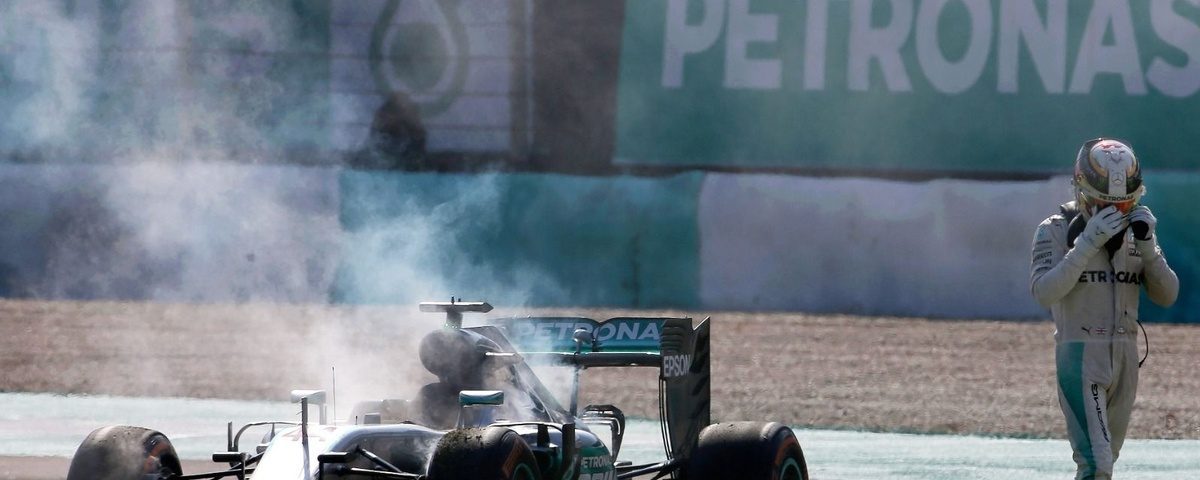
- Malaysia will host the Formula 1 race in 2026 after a nine-year hiatus.
- The event will replace Bahrain due to ongoing Middle Eastern conflicts.
- Sepang International Circuit last hosted F1 races in 2017.
- The race will be branded as the ‘Bahrain Grand Prix in Malaysia.’
- The return may influence driver selections, team strategies, and fan engagement.
The world of motorsport is buzzing with excitement as Formula 1 prepares for its much-anticipated return to Malaysia in 2026. After a nine-year absence, the Sepang International Circuit will once again host the adrenaline-pumping action, scheduled for October 2-4. This milestone event comes as a direct result of the ongoing conflict in the Middle East, leading to Bahrain being replaced on the calendar. The race will intriguingly be branded as the ‘Bahrain Grand Prix in Malaysia’, merging the two distinct yet interconnected worlds of F1 racing and regional geopolitics.
Formula 1: What You Need to Know
The Sepang International Circuit has a storied history in Formula 1, having hosted the Malaysian Grand Prix from 1999 until 2017. Known for its challenging layout and passionate fanbase, the circuit is expected to deliver thrilling race results and intense qualifying sessions. The return of F1 to Malaysia also raises questions about how it may impact upcoming fixtures and the overall championship standings.
With the 2026 return set to be a pivotal moment, the implications stretch far beyond just the race weekend. Teams are already strategizing for the challenges of the Sepang layout, which features long straights and tight corners that can influence tire choices and aerodynamic setups. The climate and humidity factor will also play a critical role, potentially affecting race results and driver stamina. As teams gear up for this unique event, the championship could see significant shifts depending on how drivers adapt to the conditions and course.
The return of Formula 1 to Malaysia is bound to reignite fan fervor, especially among the dedicated Malaysian motorsport community. The local fanbase is passionate, and anticipation is building for what will be an electrifying weekend of racing. The emotional connection fans have with the event could lead to increased attendance, offering teams and sponsors an opportunity to engage with a rejuvenated audience.
Analysis & Key Takeaways
As we look ahead, the implications of this announcement will likely ripple through the rest of the 2026 season. Teams will have to recalibrate their strategies not only for the unique challenges of the Malaysian circuit but also in light of the championship standings. The addition of a new race may alter driver selection, with some teams potentially considering different drivers who excel in high-pressure environments or those who have previously performed well in tropical conditions.
Moreover, the championship points system could become even more competitive if the Malaysian race yields unexpected results. Teams currently leading the standings may need to be on high alert, as the dynamics of the championship could shift dramatically based on the outcome of the race in Malaysia. We could witness underdog performances from teams that capitalize on the unique challenges presented by the Sepang layout, altering the trajectory of the championship.
Fans are eagerly awaiting this return, and their expectations are high. The nostalgic memories of thrilling races in the past intertwine with the thrill of watching current stars like Lewis Hamilton or Max Verstappen battle it out on a familiar yet fresh track. The atmosphere is expected to be electric, with local and international fans flocking to the Sepang International Circuit, hoping to witness history in the making.
Another layer of intrigue is how this return to Malaysia will influence the broader F1 landscape. Will other regions previously excluded from the calendar seek opportunities to host races? The potential for new venues can only serve to enhance the global appeal of Formula 1 while diversifying the racing experience for fans.
As we gear up for 2026, the return of Formula 1 to Malaysia presents a rich tapestry of stories, strategies, and expectations. Teams must adapt not just to the technical challenges of the track but also to the intense atmosphere generated by a passionate fan base. The impact on the championship will be felt long after the checkered flag falls on that October weekend, making the return of F1 to Malaysia a defining moment for the sport.
In our view, the return of Formula 1 to Malaysia is more than just a race on the calendar; it represents an opportunity for the sport to re-establish its foothold in a market that has historically shown great enthusiasm for motorsport. Given the geopolitical circumstances forcing Bahrain's withdrawal, we believe this could also open the door for further discussions around the future of race hosting in the region, potentially benefiting both the sport and local economies.<br />
Moreover, the unique challenges of the Sepang circuit could lead to unexpected outcomes in the championship standings, altering the narrative of the season. Teams must prepare for the unpredictable nature of racing in tropical conditions, which could favor certain drivers and teams. As the excitement builds, fans will be watching closely, not just for the spectacle of racing, but also for how this event reshapes the competitive dynamics of Formula 1.
Source: Stand out moments from the Malaysian GP
Sports News Plus is a news aggregator. We do not own or claim rights to any images, videos, or source content featured on this site. All images and media are the property of their respective original owners and publishers. Article content is independently written based on publicly available news sources, which are credited and linked throughout. Full disclosure →