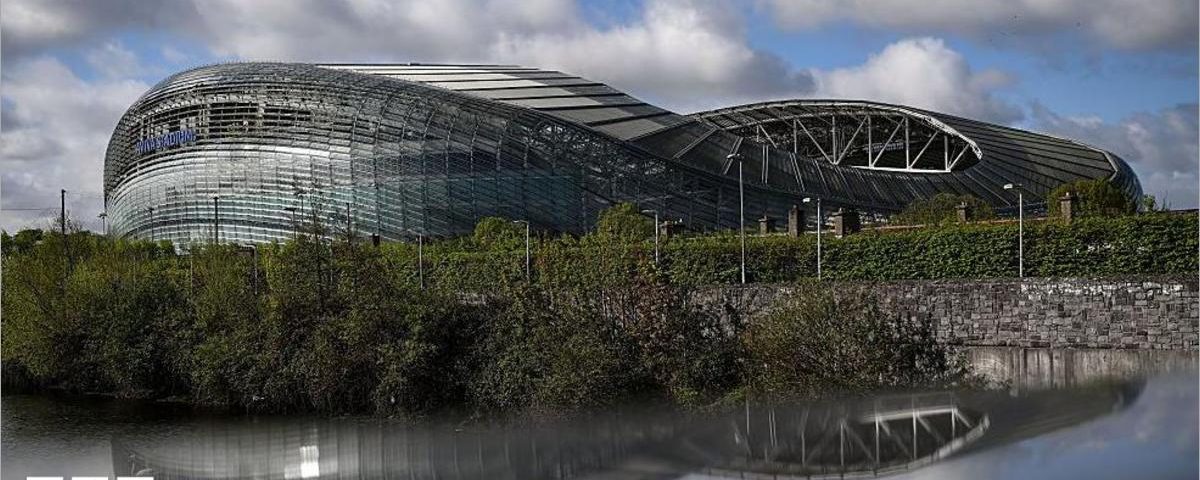
- The FAI has formally bid to host the prestigious 2029 Women's Champions League final.
- Dublin's Aviva Stadium is central to the FAI's vision to promote women's football.
- This bid aligns with rising interest and investment in women's sports globally.
- Historical data shows a steady increase in women's football viewership and participation.
- Hosting the final could boost Ireland's reputation as a destination for major sports events.
In a significant move for women’s football, the Football Association of Ireland (FAI) has officially bid to host the Women’s Champions League final in 2029 at Dublin’s Aviva Stadium. This announcement, made on June 10, 2026, marks a pivotal moment for the FAI as they seek to elevate the profile of women’s football in Ireland and showcase the nation’s capability to host major international sporting events.
Women’s Champions League: What You Need to Know
The bid comes at a time when women’s football is witnessing unprecedented growth, both in participation and viewership. The Women’s Champions League has evolved into one of the most competitive and exciting tournaments in the sport, reflecting a broader trend of increased investment and interest in women’s sports. By selecting Aviva Stadium, the FAI aims to provide a world-class venue that not only meets the logistical requirements of such a prestigious event but also serves as a catalyst for the growth of women’s football in Ireland.
As the FAI prepares its proposal, it’s essential to consider the broader implications of hosting the Women’s Champions League final. The event could attract thousands of international visitors, boosting Ireland’s hospitality sector and showcasing Dublin as a prime destination for major sports events. Furthermore, the visibility gained from hosting could inspire a new generation of female athletes and fans, contributing to the sustainability of women’s football in the region.
By the Numbers: The Women’s Champions League has seen significant growth in recent years. In the 2022-2023 season, the average attendance for matches was approximately 2,500, a notable increase from previous years. The tournament has also witnessed a rise in viewership, with the UEFA Women’s Champions League final in 2022 attracting more than 200 million television viewers globally. Historically, women’s football has struggled for the same recognition and investment as the men’s game, but recent statistics indicate a changing tide; UEFA reported that over 1 million girls are now participating in football across Europe.
Analysis & Key Takeaways
The potential hosting of the 2029 final could be particularly beneficial for the FAI, as it aligns with their ongoing efforts to develop women’s football at all levels. The association has been actively working to increase the visibility of women’s leagues in Ireland, with initiatives aimed at growing grassroots participation and improving competitive standards. The chance to host the Women’s Champions League final would undoubtedly amplify these efforts and send a strong message about the FAI’s commitment to gender equality in sports.
The broader landscape of women’s football reflects a dramatic increase in investment and media coverage. Major clubs across Europe are increasingly recognizing the potential of women’s teams, mirroring the financial and commercial success seen in the men’s leagues. For instance, clubs like Chelsea and Barcelona have significantly increased their budgets for women’s teams, resulting in more competitive matches and higher-quality talent entering the league.
As we look towards 2029, the FAI’s bid to host the Women’s Champions League final represents not just a single event but a larger narrative of growth and opportunity in women’s sports. It highlights Ireland’s ambition to be at the forefront of this evolution. If successful, the event could serve as an inflection point, catalyzing further investment and interest in women’s football across the country.
In conclusion, the FAI’s formal bid is more than just a proposal for a match; it symbolizes a commitment to fostering a more inclusive sporting landscape. The potential success of this bid could pave the way for similar opportunities in the future, not only for Irish football but for women’s sports as a whole. The world will be watching closely as the FAI navigates the bidding process, with hopes that Dublin will soon host one of the most significant events in women’s football history.
Our perspective on the FAI's bid for the 2029 Women’s Champions League final is that it reflects a broader cultural shift towards recognizing the importance of women's sports. The success of this bid could serve as a model for other nations looking to invest in their women's sports infrastructures. As we see more countries stepping up to host women's tournaments, it could lead to a ripple effect, encouraging greater participation and investment across the board.<br />
Moreover, if the FAI secures the final, it will not only enhance Ireland's reputation on the global sporting stage but also present an opportunity to make a lasting impact on women's football in the region. The event could catalyze sponsorship deals and partnerships aimed specifically at nurturing young talent, which could be pivotal for the development of the sport moving forward.
Source: FAI bids to host 2029 Women's Champions League final
Sports News Plus is a news aggregator. We do not own or claim rights to any images, videos, or source content featured on this site. All images and media are the property of their respective original owners and publishers. Article content is independently written based on publicly available news sources, which are credited and linked throughout. Full disclosure →