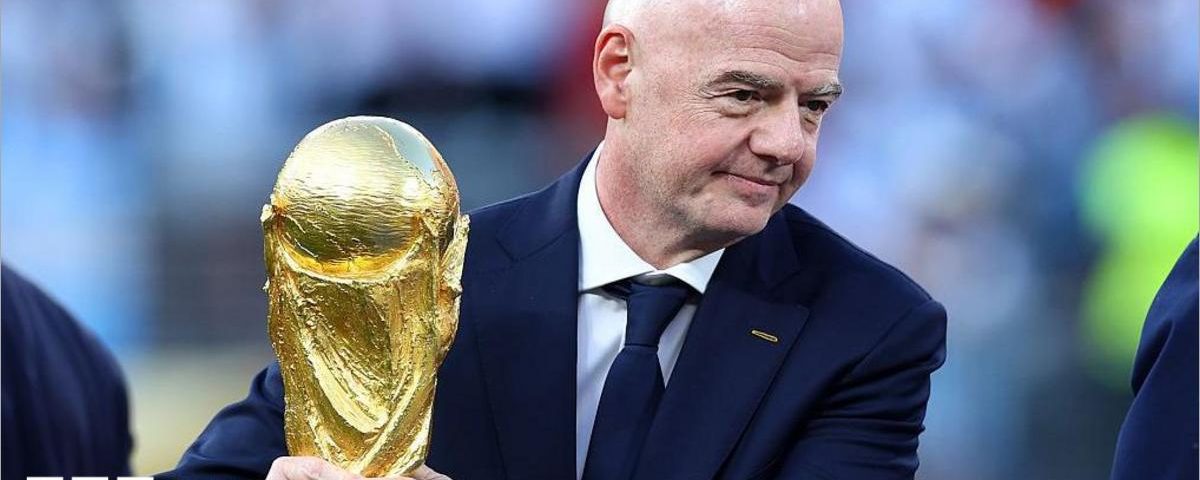
- FIFA President Gianni Infantino's future is uncertain following the collapse of a controversial World Cup investment plan.
- Infantino faces increased scrutiny from member nations and stakeholders, questioning his leadership effectiveness.
- The fallout from this crisis could impact FIFA's financial stability and future tournament plans.
- Calls for transparency in FIFA's operations are growing louder as critics demand accountability.
- The next steps for FIFA are crucial in determining if Infantino can navigate through the storm or if his tenure will end prematurely.
FIFA leadership In the wake of a turbulent 24 hours for FIFA, President Gianni Infantino finds himself at a crossroads. The collapse of his controversial World Cup investment plan has sent shockwaves across the football community. As of August 1, 2026, in Zurich, Switzerland, the ramifications of this failure are not only destabilizing for the organization but also raise significant questions regarding Infantino’s viability as its leader.
FIFA leadership: What You Need to Know
The investment plan, initially touted as a transformative approach to funding and supporting football globally, has come under intense scrutiny. Critics have pointed to a lack of transparency and caution, questioning whether FIFA is effectively managing its resources. As various member nations express their discontent, Infantino’s leadership is being put to the test like never before.
While the immediate future looks bleak for Infantino, the strategic implications of this crisis could be far-reaching. If Infantino can rebound from this setback, it may lead to a reformed approach to FIFA’s governance, focusing on transparency and collaboration with member nations. Alternatively, failure to address these concerns could spell the end of his presidency and a significant shift in the power dynamics within FIFA.
Tactical Breakdown: Infantino’s Leadership Strategy
Analyzing the situation from a tactical perspective, we can draw parallels between Infantino’s leadership challenges and a football match scenario. Just as a manager must adapt their formation to counter an opponent’s strengths, Infantino must recalibrate his strategy to address the mounting pressure from dissenting member nations.
The key battle lies in the trust between FIFA’s leadership and its stakeholders. Infantino’s initial approach to the investment plan can be likened to an aggressive attacking formation, aiming to create opportunities for growth. However, as challenges arise—much like a defensive team countering against a dominant side—Infantino must now adopt a more cautious and collaborative strategy.
In terms of formations, he must shift to a more defensive posture, prioritizing stakeholder engagement and transparent communication. This could mean establishing new channels for dialogue and reforming existing policies that have led to discontent among members. The success of this tactical shift will ultimately dictate the match result for Infantino’s presidency.
Analysis & Key Takeaways
The financial implications of this investment plan’s collapse cannot be understated. FIFA relies heavily on its financial health to support football development initiatives worldwide. With potential budget cuts looming, the organization may face challenges in financing future tournaments, including the upcoming World Cup. This could lead to decreased funding for grassroots programs, undermining the sport’s growth at the community level.
Moreover, the pressure on FIFA is compounded by growing calls for accountability. The football community increasingly demands that FIFA provide clear explanations regarding its financial dealings and decision-making processes. In this regard, Infantino must work to regain the trust of member nations, shareholders, and fans alike, or risk further alienation.
As Infantino navigates this crisis, he must be strategic in both communication and action. His ability to work closely with member associations will be crucial. Infantino should embrace an inclusive approach, inviting feedback and fostering a sense of ownership among nations. The future of FIFA, and indeed his presidency, may hinge on how effectively he can implement these changes.
Looking ahead, the road to recovery will not be easy. Infantino must demonstrate resilience and adaptability, much like a football team that has faced adversity but comes back stronger. The implications for FIFA’s governance structure could be transformative, paving the way for a more transparent and accountable organization.
The outcome of this situation will set a precedent for how FIFA operates moving forward. Whether Infantino can successfully rally support and instigate meaningful change will determine not just his fate but the broader perception of FIFA in the eyes of the global football community.
As we reflect on the current state of FIFA and its leadership, it is evident that this crisis presents a pivotal moment for the organization. While many are quick to predict the downfall of Infantino, we believe it may also serve as an opportunity for reform within FIFA. The challenges he faces are emblematic of a growing need for modern governance in sports, where transparency and accountability are paramount.<br />
Our view is that if Infantino can pivot effectively and embrace the calls for change, he could emerge more powerful and respected than before. This situation highlights a broader trend in sports management, where leaders are increasingly held accountable by stakeholders. It’s a wake-up call to all sports organizations to adopt a more inclusive and transparent model moving forward.<br />
Regardless of the outcome, this moment in time will likely be seen as a turning point in FIFA’s history. Whether it leads to Infantino’s revival or resignation, the path he chooses will reverberate throughout the sport for years to come.
Source: A bruising 24 hours – what next for Fifa and under-pressure Infantino?
Sports News Plus is a news aggregator. We do not own or claim rights to any images, videos, or source content featured on this site. All images and media are the property of their respective original owners and publishers. Article content is independently written based on publicly available news sources, which are credited and linked throughout. Full disclosure →