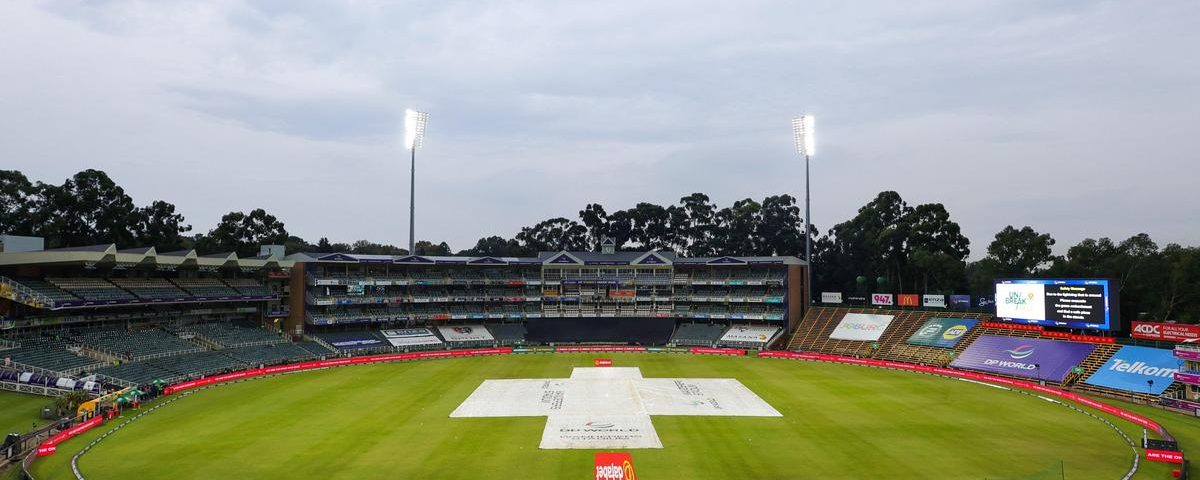
- The ICC World Cup 2027 is set for October 4 to November 21, featuring three co-hosts.
- This is the second time South Africa and Zimbabwe have co-hosted the tournament.
- Namibia will host the ICC World Cup for the first time in its history.
- The tournament will showcase a blend of established teams and emerging cricketing nations.
- This significant event could reshape national team strategies, particularly for the BCCI.
The ICC World Cup 2027 is poised to take place from October 4 to November 21, 2027, across the picturesque landscapes of South Africa, Zimbabwe, and Namibia. This event marks a significant milestone, as it is the second time these countries are co-hosting the prestigious tournament, the first being in 2003. For Namibia, this will be a historic debut as a World Cup host, further enhancing its reputation in the cricketing world.
The upcoming World Cup is not just a sporting event; it serves as a pivotal moment for cricket in the Southern African region. With the International Cricket Council (ICC) emphasizing the importance of expanding the game, hosting such a significant tournament is a testament to the growth of cricket outside the traditional powerhouses. South Africa, Zimbabwe, and Namibia will collectively showcase their cricketing prowess, welcoming fans from around the globe to witness a celebration of the game.
Given the competitive nature of One Day Internationals (ODIs), the World Cup is expected to witness high-scoring matches and exceptional individual performances. Historically, teams that perform well in ODIs often have strong batting averages and impressive wicket-taking capabilities. The Indian national team, governed by the Board of Control for Cricket in India (BCCI), has set benchmarks of excellence in ODI cricket, with a win rate consistently above 60% in recent tournaments.
As we look back at previous World Cups, certain trends and statistics emerge that highlight the essence of the competition. For instance, the average score in ODIs can fluctuate significantly based on pitch conditions and weather. In the 2019 World Cup, the average score was around 300 runs, an indicator of the aggressive batting style that has taken the forefront in modern cricket.
Moreover, the World Cup is not solely about team success; it is a platform for individual brilliance. Players who shine in this format often see their careers take off, and in the context of the BCCI, the upcoming tournament may serve as a launchpad for emerging talent. In the 2015 World Cup, for example, players like Mitchell Starc and AB de Villiers set records for wickets and runs that still resonate in cricket discussions today.
The Impact of Home Advantage and Conditions
Playing conditions often play a vital role in the outcome of matches, especially in a tournament as prestigious as the ICC World Cup. South Africa is known for its bouncy and fast pitches, favoring fast bowlers, while Zimbabwe and Namibia may offer conditions that are more conducive to spin. This variance can lead to strategic shifts in how teams approach their game plans.
Historically, teams that adapt their strategies to local conditions have performed better. For instance, in the 2003 World Cup hosted in South Africa and Zimbabwe, the teams that catered to local pitches and weather patterns had a significant advantage. With the ICC World Cup 2027 being held in this region again, teams will need to analyze past performance metrics, including batting averages specific to venues, to devise winning strategies.
Additionally, as the BCCI prepares its squad for this marquee event, understanding the local landscape will be paramount. The Indian team’s success will depend not only on individual talent but also on how well they adapt to the local environment and the style of play that may emerge from it.
By the Numbers: Key Statistics to Watch
As we approach the ICC World Cup 2027, several statistics can provide insight into what fans might expect. ODI records indicate that teams with strong batting lineups often dominate tournaments. A batting average of 40 or above is generally considered elite in ODIs, and players achieving this benchmark are likely to be top contributors during the World Cup.
Bowling performance will also be critical. Historically, teams with bowlers taking more than 200 wickets in a calendar year tend to perform well. The correlation between wickets taken and match outcomes is significant; for instance, in the 2019 World Cup, the highest wicket-taker was Mitchell Starc, with 22 scalps, a performance that was instrumental in leading Australia to the semifinals.
Moreover, the rise of associate nations like Namibia could bring unpredictability to the tournament. These teams often play with less pressure, allowing for dynamic performances that can upset higher-ranked teams. Their presence in the World Cup can alter traditional expectations and challenge established cricketing hierarchies.
As we await the ICC World Cup 2027, the excitement builds not only around the matches but also the statistics that will tell the story of the tournament. Fans can look forward to thrilling contests, historical moments, and perhaps even the emergence of new cricketing legends.
At the SNP editorial desk, we believe that the ICC World Cup 2027 could be a watershed moment for cricket, especially in the Southern African region. The combination of established cricketing nations and emerging teams like Namibia points to a possible shift in the competitive balance of the sport.<br />
We foresee that the tournament will not only be a showcase of cricketing talent but also a test of adaptability among teams. Given the historical data, teams that leverage local conditions while focusing on strong batting and wicket-taking will have the upper hand. The BCCI, with its rich resources and strategic planning, should be particularly keen on analyzing these dynamics to optimize their squad for success.<br />
Ultimately, the ICC World Cup 2027 may set the tone for future tournaments, highlighting the need for traditional powerhouses to remain agile and responsive in a rapidly evolving cricket landscape.
Source: ICC World Cup 2027 likely to run from October 4 to November 21: reports
Sports News Plus is a news aggregator. We do not own or claim rights to any images, videos, or source content featured on this site. All images and media are the property of their respective original owners and publishers. Article content is independently written based on publicly available news sources, which are credited and linked throughout. Full disclosure →