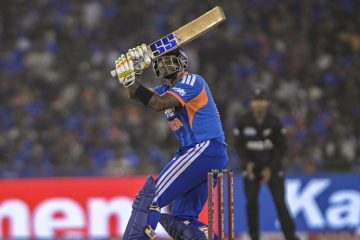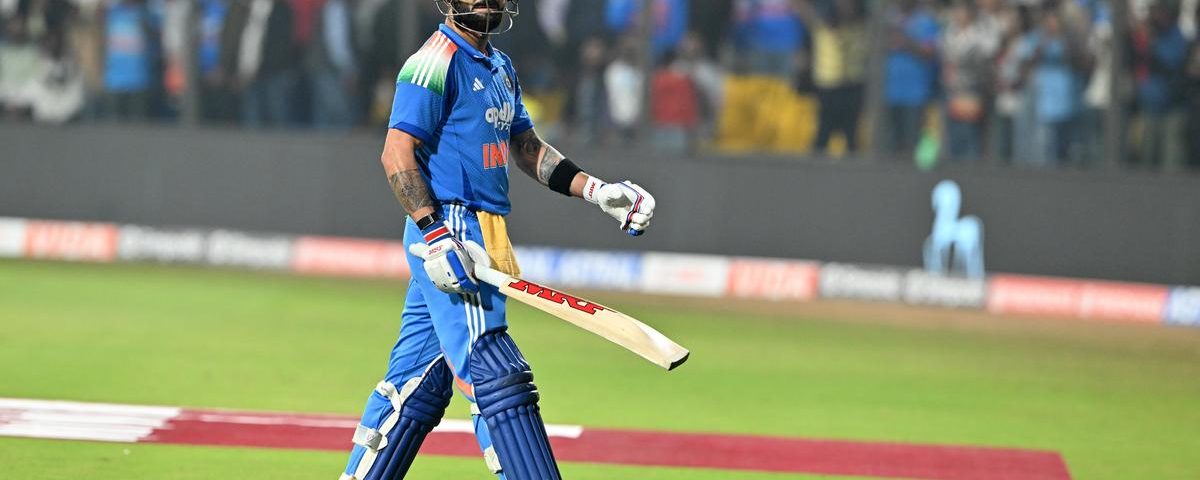
- Virat Kohli has been ruled out of the ODI series against Afghanistan due to injury.
- This marks his continued absence from international cricket since January.
- Kohli's prolific form in the IPL raised expectations for his return to ODIs.
- His injury creates a tactical void in the Indian batting lineup.
- The BCCI will need to reassess team dynamics ahead of the series.
In a significant setback for the Indian cricket team, Virat Kohli has been ruled out of the upcoming ODI series against Afghanistan due to an injury. The announcement, made by the Board of Control for Cricket in India (BCCI), comes as Kohli has not played international cricket since January 2026. The series is scheduled to commence next week, adding urgency to India’s preparations as they face a competitive Afghan side keen to make an impact.
Kohli’s absence is particularly impactful given his recent form in the Indian Premier League (IPL), where he showcased his batting prowess and consistency. With a strong IPL season behind him, expectations were high for Kohli to replicate that success on the international stage, especially in the ODI format where India’s batting strategy heavily relies on his experience and skill.
As India gears up for the series, the tactical implications of Kohli’s injury cannot be overstated. The team will not only miss his runs but will also have to rethink their batting order and middle-order strategy. Kohli’s ability to anchor the innings has been crucial in many matches, and without him, the Indian lineup may lack the depth and stability that he typically provides.
Tactical Breakdown: The Gap in India’s Batting Lineup
Kohli’s absence opens up a critical tactical gap that the Indian team must address. Traditionally, Kohli occupies the number three spot in the batting order, a position that has often been pivotal in setting the tone for the innings. His role is not just to score runs but to stabilize the innings during crucial phases, especially after early wickets.
With Kohli sidelined, the BCCI faces a dilemma on who to promote up the order. Potential candidates include Shreyas Iyer and Suryakumar Yadav, both of whom have shown promise but lack Kohli’s extensive experience in high-pressure situations. If Iyer is promoted, the team may opt for a more aggressive approach, given his ability to rotate the strike and accelerate scoring. Alternatively, promoting Suryakumar Yadav could inject an element of unpredictability into the batting lineup, which could be an advantage against Afghanistan’s bowling attack.
However, this shift in strategy carries risks. The Indian team must consider how they will handle the pressure of early wickets, especially against an Afghan side that has proven it can perform well in ODIs, having secured victories against higher-ranked teams in recent years. The middle order, which Kohli usually bolsters, may become a weak link, making it essential for someone to step up and fill that void.
Adapting to the Change: India’s Strategic Options
The Indian coaching staff and management have a critical task ahead as they prepare for the ODI series without Kohli. They must assess the balance of the team and consider how best to utilize their available resources. One option could be to adopt a more aggressive batting approach right from the start, relying on players like Rohit Sharma and KL Rahul to set a strong foundation.
Additionally, incorporating a flexible batting order might be beneficial. Having the ability to switch between an aggressive and conservative approach could keep the Afghan bowlers guessing. The Indian team has a wealth of young talent, and this series could serve as an opportunity for someone to rise to the occasion.
With the ODI World Cup on the horizon, the BCCI’s selection choices in this series will be under scrutiny. It will be crucial for the team to not only perform well but also to identify key players who can step into leadership roles in Kohli’s absence. This series against Afghanistan will serve as a critical test for India, both in terms of immediate results and in building towards future challenges.
As fans watch the ODI series unfold, the absence of Kohli will serve as a reminder of his importance to the Indian cricket landscape. His ability to perform under pressure has been a hallmark of his career, and replacing that caliber of player is no small task. The coming matches will showcase India’s resilience and adaptability as they navigate this challenge.
From our perspective, Kohli's injury presents a unique opportunity for the Indian team to recalibrate its strategy ahead of the World Cup. While it is undoubtedly a blow to lose a player of his caliber, it may also encourage younger players to seize their moment and step into critical roles. This could foster a more dynamic and versatile batting lineup—a necessity in today’s fast-paced cricket environment.<br />
We believe that the absence of a seasoned player like Kohli might force the team to evolve, potentially leading to a more aggressive batting style that could unsettle opponents. This series against Afghanistan could be a turning point for India, as they aim to test their depth and resilience, forging a new identity that could be beneficial in the long run.
Source: IND vs AFG — Virat Kohli ruled out of India v Afghanistan ODI series with injury
Sports News Plus is a news aggregator. We do not own or claim rights to any images, videos, or source content featured on this site. All images and media are the property of their respective original owners and publishers. Article content is independently written based on publicly available news sources, which are credited and linked throughout. Full disclosure →