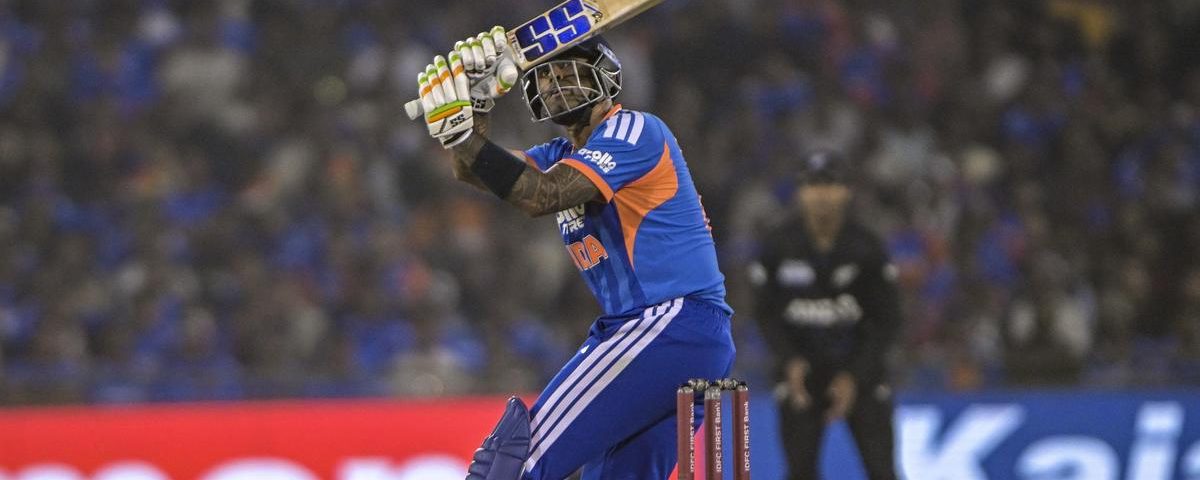
- Suryakumar Yadav's position as India's T20I captain is under scrutiny.
- Shreyas Iyer and Sanju Samson are seen as leading candidates for the role.
- The decision comes as India prepares for upcoming test matches and ODI series.
- Fans are actively debating the implications of this potential change on team dynamics.
- The BCCI's move could reshape the team's strategy ahead of a critical season.
T20I captaincy In a surprising turn of events, Suryakumar Yadav may soon find himself removed from his role as captain of India’s T20 International team. The Board of Control for Cricket in India (BCCI) is reportedly considering other options, with Shreyas Iyer and Sanju Samson emerging as frontrunners for the coveted leadership position. This news broke on June 3, 2026, and has already begun to resonate among fans and analysts alike, especially as India gears up for an important season filled with test matches and ODI series.
Yadav’s captaincy has been a topic of heated debate among supporters. While he has shown glimpses of brilliance with his batting, some believe that a change in leadership might rejuvenate the team. The BCCI’s decision comes at a time when India needs to solidify its strategy ahead of crucial international fixtures, making the choice of captain even more significant.
As discussions mount around Yadav’s potential removal, fans have taken to social media to express their opinions. Many are questioning whether Iyer or Samson, who both possess strong batting credentials, would indeed bring the necessary leadership qualities to the forefront. Iyer’s calm demeanor and strategic thinking on the field have made him a favorite for the role, while Samson’s explosive batting style could inject a new energy into the team.
The sentiment among fans is mixed. Some supporters argue that Yadav’s aggressive batting style should be complemented by a captain who can balance aggression with strategic acumen. Others fear that a captaincy change could disrupt the current chemistry within the team as players gear up for critical test matches and ODI series. The debate is not merely about who should lead but also about the implications for the team dynamics as they prepare for a long season ahead.
Fan Reactions and Sentiment Analysis
Across various social media platforms, the fan response has been vibrant, reflecting a spectrum of sentiments. On Twitter, hashtags like #IyerForCaptain and #SamsonCaptaincy have started trending, showcasing the fans’ desire for a change in leadership. While some see this potential shift as a timely opportunity for new strategies, others are more skeptical, concerned that too much change might hinder the team’s performance.
Facebook groups dedicated to Indian cricket have been filled with passionate debates. Many fans have been vocal about their support for Yadav, highlighting his achievements and the potential impact of removing him as captain. They argue that continuity is crucial, especially as the team heads into series that could define its international standing. Others, however, point to the need for fresh leadership to inspire the squad and maximize their performance in upcoming challenges.
Overall, fan engagement has reached a fever pitch, with discussions extending beyond the immediate implications of captaincy. Supporters are contemplating how these changes could affect the team’s performance in upcoming test matches and ODI series, particularly in light of India’s aspirations in international cricket. The community is closely monitoring BCCI’s next moves, which could have far-reaching effects on team strategy and morale.
Looking Toward the Future
The BCCI’s decision regarding the T20I captaincy is not just a matter of choosing a leader; it is about setting the tone for the team’s future. As the cricketing calendar unfolds, India faces a series of critical test matches and ODI series that will test the squad’s resilience and adaptability. The choice of captain will undoubtedly influence the team’s strategic direction and performance.
Both Iyer and Samson have shown promise, but they also come with their own sets of challenges. If Iyer is chosen, he will need to maintain his focus and composure, ensuring that the team operates cohesively under pressure. On the other hand, if Samson takes the reins, his ability to balance aggression with tactical decisions will be paramount to steer India toward success.
As we look forward, the fans’ voices will undoubtedly play a role in shaping the narrative around the team. Their fervor and engagement reflect the passion that Indian cricket brings, and how this leadership change could be pivotal in redefining the team’s trajectory as they head into a crucial season.
From our perspective, this potential shift in leadership could serve as a wake-up call for the Indian cricket team. History has shown that teams undergoing significant changes often experience a period of adjustment. However, the right leadership can catalyze a turnaround in performance. We believe that if the BCCI decides to appoint either Iyer or Samson, they must ensure this change is backed by a clear strategic vision that aligns with the team's goals.<br />
This moment also aligns with the growing trend of prioritizing data-driven decisions in sports. As the BCCI evaluates its options, it would be wise to consider how players' performances in both batting and bowling can inform their choice of captain. A leader who can effectively navigate the complexities of modern cricket will be crucial as India aims to reclaim its position at the pinnacle of international cricket.
Sports News Plus is a news aggregator. We do not own or claim rights to any images, videos, or source content featured on this site. All images and media are the property of their respective original owners and publishers. Article content is independently written based on publicly available news sources, which are credited and linked throughout. Full disclosure →