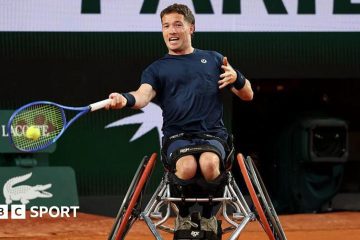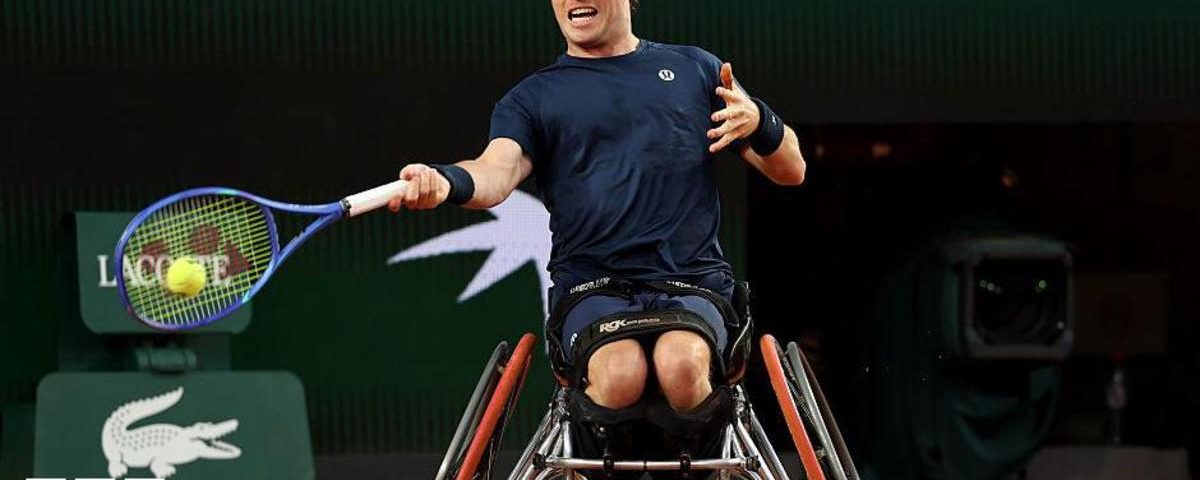
- Alfie Hewett advances to the quarter-finals of the French Open men's wheelchair singles.
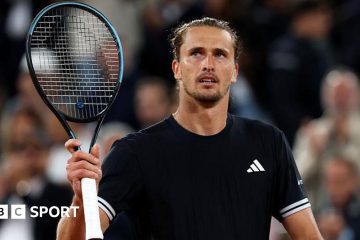
- Gordon Reid faced an early exit, losing in the first round.
- Hewett's performance showcases his strategic adaptability on clay.
- The match results underscore the growing competitiveness in wheelchair tennis.
- The quarter-finals will test Hewett’s tactical depth against formidable opponents.
Alfie Hewett has made headlines by advancing to the quarter-finals of the men’s wheelchair singles at the French Open, held on June 2, 2026. This achievement marks another significant milestone in Hewett’s career, showcasing his resilience and tactical prowess on the clay courts of Roland Garros. In a contrasting narrative, fellow Briton Gordon Reid unfortunately lost in the first round, highlighting the unpredictable nature of tennis at this level.
In the realm of wheelchair tennis, the French Open is not just another tournament; it is a Grand Slam event that encapsulates the dreams and aspirations of the world’s best athletes. Hewett’s journey thus far illustrates not only his individual talent but also the increasing competitiveness within the sport. The ATP rankings and WTA Tour may dominate the headlines in able-bodied tennis, but the realm of wheelchair tennis is equally vibrant and deserving of attention.
Hewett’s success is attributed to a combination of skill, strategy, and adaptability. In the quarter-finals, he will face a player who has proven to be a tough opponent, adding layers of complexity to his tactical approach. Understanding how to manipulate space on the court and comprehend the nuances of each match result will be crucial.
Hewett’s Tactical Breakdown
A closer examination of Hewett’s gameplay reveals the strategic dimensions that have propelled him to this stage. One of his key strengths lies in his ability to control the tempo of the match. On clay, this is particularly significant as the surface tends to slow down the ball, allowing for longer rallies. By employing a mix of deep topspin shots and sharp angles, Hewett can stretch his opponents and create openings for aggressive plays.
Moreover, his defensive skills are noteworthy. Hewett’s agility in a wheelchair allows him to reposition quickly, making him adept at countering aggressive shots. This ability to absorb pressure and return the ball with interest has been critical in his progression through the rounds. His match results thus far have shown a clear pattern of outlasting opponents, wearing them down physically and mentally.
Key battles on the court will likely revolve around service games. Hewett’s serve, while not the strongest, is strategically placed to make it difficult for opponents to capitalize. In wheelchair tennis, the serve is crucial, and Hewett often employs a low, spin-heavy delivery that can disrupt his opponent’s rhythm.
Another aspect to consider is the psychological component of match play. Hewett’s confidence has been building throughout the tournament, and this mental edge can serve as an advantage in high-stakes situations. Conversely, Reid’s early exit demonstrates how quickly fortunes can change, reminding us that in high-level competition, mental fortitude is just as essential as physical prowess.
Looking Ahead
As Hewett prepares for his quarter-final match, the stakes could not be higher. The competition will undoubtedly be fierce, with top-ranked players eager to claim their spot in the semifinals. The implications of his performance extend beyond this tournament; a strong showing could further elevate his ATP ranking and cement his position as one of the leading figures in wheelchair tennis.
Moreover, the evolution of wheelchair tennis continues to gain momentum, with increasing visibility and support. The challenges faced by players like Hewett and Reid serve to underscore the growing interest in the sport, both on and off the court.
In conclusion, Hewett’s journey at the French Open is a testament to his skill and the tactical depth of wheelchair tennis. As he moves forward in the tournament, fans and analysts alike will be keenly watching to see how he adapts and evolves against elite competition. The narrative of this Grand Slam is still unfolding, and with each match, it promises to deliver dramatic moments that resonate within the sport.
In our view, the results from the French Open illustrate a pivotal moment for wheelchair tennis. While Hewett's advancement is a positive sign for British tennis, Reid's early exit serves as a reminder of the fierce competition players face. The increasing parity in wheelchair tennis mirrors trends seen in able-bodied matches, where upsets have become commonplace, making each round unpredictable and exciting.<br />
Looking ahead, we anticipate that Hewett's tactical approach will be tested rigorously in the quarter-finals. His adaptability and mental fortitude will be key factors as he faces opponents who are equally skilled and strategically astute. We believe that the future of wheelchair tennis lies in its ability to attract new audiences and sustain interest, particularly during prominent events like the Grand Slam tournaments.
Source: Britain's Hewett into quarter-finals but Reid loses
Sports News Plus is a news aggregator. We do not own or claim rights to any images, videos, or source content featured on this site. All images and media are the property of their respective original owners and publishers. Article content is independently written based on publicly available news sources, which are credited and linked throughout. Full disclosure →