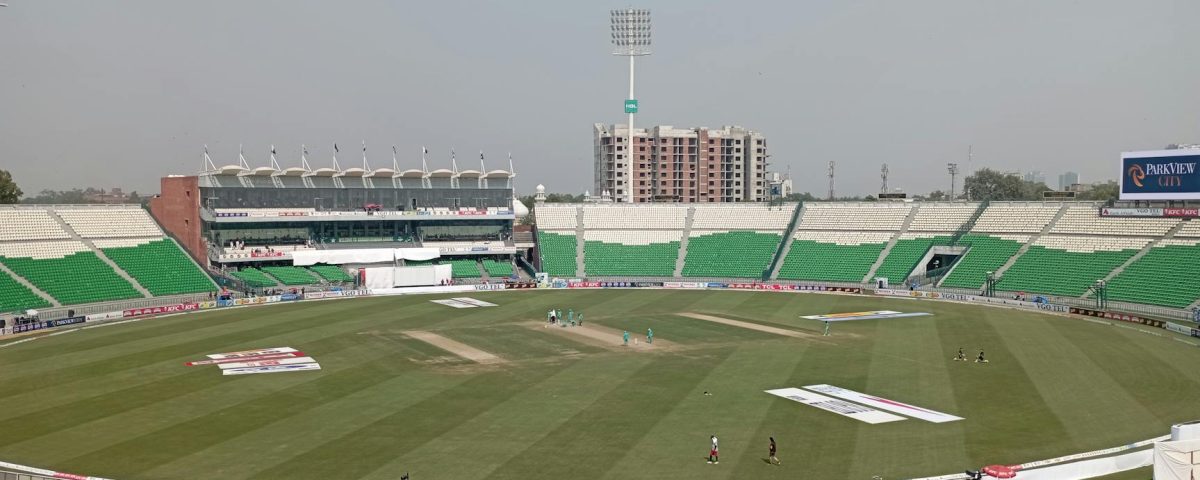
- Pakistan's ODI coach has countered criticism of home pitches ahead of the World Cup.
- Historical comparisons reveal that pitch conditions have long influenced tournament outcomes.
- The debate over pitches raises questions about player adaptability and strategic game planning.
- Past World Cups show that teams can thrive or falter based on local conditions.
- As the ODI World Cup approaches, teams will need to refine their strategies to maximize their performance on varying pitch types.
ODI World Cup pitches In a recent social media statement, Pakistan’s ODI coach, Mickey Arthur, addressed the ongoing concerns regarding the suitability of home pitches for the upcoming ODI World Cup. Set to unfold in September 2026, the tournament will see Pakistan hosting Australia in a series that has ignited debate about the quality and variety of pitches. Critics argue that the flat wickets typically found in Pakistan may not provide the necessary preparation for teams, especially southern African squads accustomed to different conditions.
ODI World Cup pitches: What You Need to Know
Arthur firmly rejected the notion that Pakistan’s pitches are subpar, asserting that there would indeed be a variety of surfaces, potentially favoring different styles of play. This assertion not only aims to bolster the confidence of the home team but also highlights the essential role that pitch conditions play in ODI series and larger tournaments like the World Cup.
Historical Context
This isn’t the first time that the pitch quality has come under scrutiny before a major cricket tournament. A similar situation unfolded during the 1996 Cricket World Cup. The tournament, co-hosted by India, Pakistan, and Sri Lanka, faced intense debate surrounding the suitability of its pitches. Critics argued that the surfaces in India were too conducive to high-scoring matches, favoring batsmen significantly.
Ultimately, those concerns did not hinder the competition; Sri Lanka emerged victorious, demonstrating that adaptability can often outweigh initial reservations about pitch conditions. The outcomes of past World Cups frequently illustrate that while pitch quality can influence match dynamics, it is the team’s ability to adapt that often determines success.
Another notable instance occurred during the 2015 ICC Cricket World Cup held in Australia and New Zealand. The Australian pitches were notorious for their bounce and pace, which posed challenges for teams less experienced on such surfaces. Yet, it was Australia, with its deep understanding of local conditions, that capitalized fully, winning the tournament. This historical precedent offers insight into how current teams—especially those like Pakistan and Australia—must prepare for the forthcoming challenge.
Impact of Pitch Conditions
The relationship between pitch conditions and team performance in the ODI World Cup is a pivotal topic, affecting both strategies and player selection. In ODI series, teams typically adopt different approaches depending on the pitch type. For instance, a spin-friendly surface might encourage teams to include additional spinners in their lineup, while a fast, bouncy pitch may lead to a focus on pace bowlers.
Analysis & Key Takeaways
As teams gear up for the World Cup, it is evident that understanding pitch conditions will be crucial. The BCCI, which governs cricket in India, has often emphasized the importance of player adaptability. This philosophy will undoubtedly be tested in Pakistan, where local pitches may offer unique challenges that could reshape player performances and overall strategies.
The debate regarding Pakistan’s pitches also underscores a broader issue in cricket: the balance between home advantage and the need for teams to be versatile. Historically, teams that can quickly adapt to varied conditions tend to excel in World Cups. This adaptability is critical, as it allows teams to optimize their game plans based on the pitch, weather, and even historical data regarding how certain teams have fared in similar environments.
Looking Ahead
As the ODI World Cup approaches, the question remains: will Pakistan’s pitches prove to be a blessing or a curse? History suggests that while the surface certainly plays a role in shaping match outcomes, it is the teams’ ability to adapt that ultimately decides the victor.
For Australia, accustomed to high-pressure scenarios on diverse pitches, the challenge may be less daunting. However, for teams like South Africa, historically facing difficulties in subcontinental conditions, preparation will need to be meticulous. The outcome of this ODI World Cup could hinge not just on skill but on how well teams can interpret and respond to the unique challenges posed by the local pitches.
In conclusion, as we await the World Cup, looking back at historical precedents reminds us of the unpredictable nature of cricket. The stories of past tournaments provide not only context but also serve as a learning tool for teams preparing for the challenges ahead. The pitches may be the starting point of discussions, but ultimately, it is the players’ performances that will take center stage.
As the ODI World Cup draws near, we find ourselves considering the broader implications of pitch preparation and its historical context. While Mickey Arthur's optimistic view of Pakistan's pitches is commendable, we should approach this with a sense of caution. History has taught us that pitch conditions can often dictate the rhythm and flow of matches, shaping the fortunes of teams in unforeseen ways.<br />
Moreover, the conversation surrounding pitches speaks to a larger narrative in cricket about adaptability. The World Cup is a stage where legends are born, and it is not just about talent but how well a team can read the game and adjust its strategy accordingly. Thus, we believe that teams with a deep understanding of local conditions and the ability to pivot when necessary will be the ones to watch. As we edge closer to the tournament, the excitement builds—not just for the matches, but for the unfolding narratives shaped by each pitch and performance.
Source: Hesson debunks pitches 'myth', says there will be 'variety' at ODI World Cup
Sports News Plus is a news aggregator. We do not own or claim rights to any images, videos, or source content featured on this site. All images and media are the property of their respective original owners and publishers. Article content is independently written based on publicly available news sources, which are credited and linked throughout. Full disclosure →