- Ayao Komatsu emphasizes the enduring challenges of the Monaco Grand Prix despite 2026 regulation changes.
- The narrow streets of Monte Carlo continue to complicate overtaking maneuvers for drivers.
- Historical comparisons illustrate that the Monaco race has always been a test of driver skill and strategy.
- Past regulation changes have not significantly altered the race dynamics at Monaco.
- The race's unique characteristics ensure its status as a championship highlight for years to come.
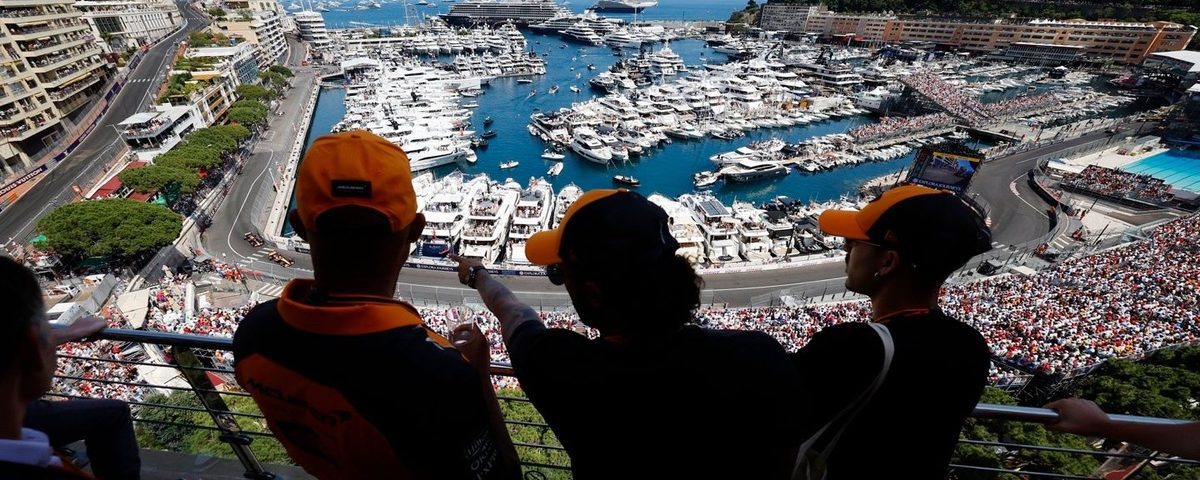
Monaco Grand Prix The 2026 Formula 1 season promises to be a pivotal year for the sport, introducing new regulations aimed at enhancing competition and sustainability. However, as Haas team principal Ayao Komatsu recently stated, the Monaco Grand Prix remains a unique challenge that may not be significantly impacted by these changes. Scheduled for June, the event will unfold on the narrow, winding streets of Monte Carlo, a circuit renowned for its difficulty in overtaking and its rich history within the championship.
Monaco Grand Prix: What You Need to Know
The Monaco Grand Prix is often likened to a jewel in the crown of Formula 1, offering a blend of glamour, speed, and precision racing. Komatsu’s comments bring attention to the enduring nature of the challenges faced by drivers at this circuit. With its tight corners and limited overtaking opportunities, the race often becomes a test of strategy and skill rather than outright speed. As the sport evolves and adapts to new racing technologies, Monaco’s legacy as a difficult and prestigious race continues to be a focal point.
One of the reasons the Monaco Grand Prix maintains its unique charm is the technical complexity of the circuit. Unlike many other tracks on the Formula 1 calendar, which benefit from ample space for overtaking and strategic maneuvers, Monaco demands that drivers be at the top of their game. A driver’s ability to navigate the tight turns while maintaining speed is critical, and any mistake can lead to disastrous results. This aspect of the race has remained unchanged despite the ever-evolving landscape of Formula 1.
In historical context, the Monaco Grand Prix has seen significant regulation changes before, yet the core challenges have remained. For instance, when turbocharged engines were introduced in the 1980s, many believed that they would allow for faster lap times and easier overtakes. However, the circuit’s layout still meant that drivers had to exercise extreme caution and precision, often leading to races that were less about raw speed and more about tactical execution.
Analysis & Key Takeaways
Similarly, the introduction of hybrid power units in 2014 had fans wondering if the nature of racing at Monaco would shift as teams adapted their strategies to the new technology. Yet, the race continued to showcase the same characteristics: tight racing, minimal overtakes, and an emphasis on driver skill. In many ways, this historical perspective reinforces Komatsu’s assertion that while regulations evolve, the essence of the Monaco Grand Prix remains intact.
Another important element to consider is the psychological pressure that the Monaco Grand Prix places on drivers. The circuit’s narrow confines and the proximity of barriers mean that mistakes are magnified, and the risk of crashing is ever-present. Historically, this psychological component has played a crucial role in determining race results. For example, in 1996, Damon Hill crashed out of the race while leading, a mistake that would haunt him in the championship standings. Drivers must balance the need for speed with an acute awareness of their surroundings, making Monaco a true crucible of talent.
As we look toward the 2026 Monaco Grand Prix, it is essential to recognize that the race’s unique appeal, as emphasized by Komatsu, is deeply rooted in its history and the challenges it presents. Race results at Monaco often hinge on strategy, qualifying performance, and the ability to manage pressure, rather than simply on the technological advancements of the cars. While the new regulations may introduce certain changes to the field, it is unlikely that they will fundamentally alter the race’s character or its significance within the championship.
In conclusion, the Monaco Grand Prix remains a hallmark of the Formula 1 calendar, with its combination of history, skill, and excitement. As teams gear up for the upcoming season, one thing is clear: the challenges of Monte Carlo will continue to test the mettle of drivers, just as they have for generations. The allure of Monaco remains, promising a spectacle that is both a test of speed and a celebration of the sport’s rich heritage.
From our perspective, the Monaco Grand Prix serves as a reminder that some tracks are defined by more than just the cars that race on them. The unique characteristics of this circuit have a way of leveling the playing field, where even the fastest cars can struggle to convert pace into victory. We anticipate that the 2026 race will once again highlight the importance of driver skill and team strategy, potentially leading to surprising outcomes that keep fans on the edge of their seats.<br />
Moreover, as the sport embraces new technologies and regulations, we believe it is crucial for teams to maintain a focus on adaptability—especially at Monaco. The historical context of the race indicates that while cars may change, the fundamental challenges of the circuit remain a constant. This may lead to a scenario where traditional teams, well-versed in the intricacies of Monaco, could outperform newer entries that have yet to navigate its complexities.
Source: Ayao Komatsu says Monaco sunday should be accepted as Haas boss highlights its "unique" appeal
Sports News Plus is a news aggregator. We do not own or claim rights to any images, videos, or source content featured on this site. All images and media are the property of their respective original owners and publishers. Article content is independently written based on publicly available news sources, which are credited and linked throughout. Full disclosure →