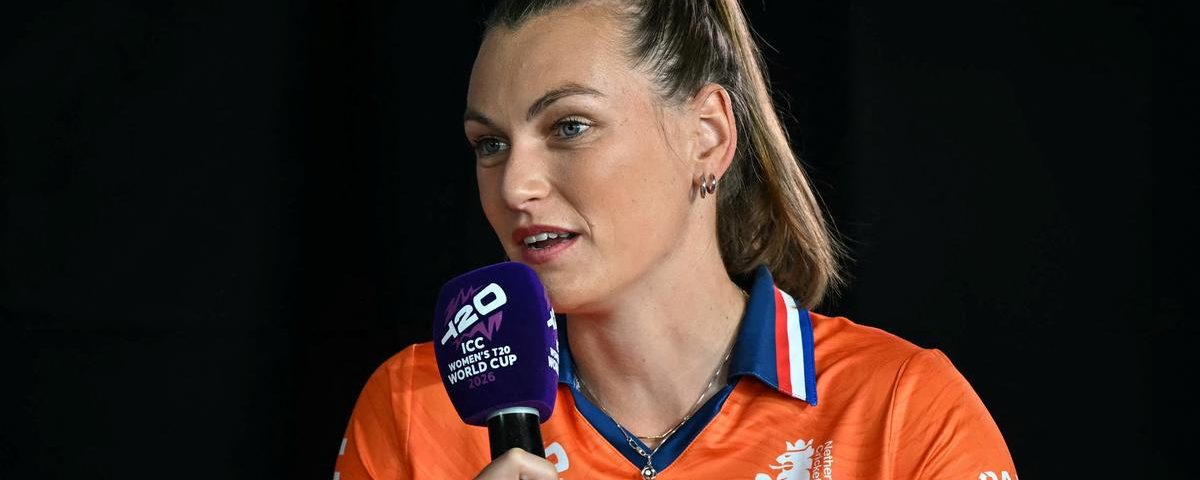
- Babette de Leede has become a pivotal figure in Netherlands cricket.
- The Netherlands aims to carve out a niche in women's cricket at the T20 World Cup.
- The team's ambition reflects a broader trend of emerging cricket nations gaining visibility.
- Historical comparisons reveal how past associate teams have surprised at global tournaments.
- The Netherlands' performance could redefine expectations for future ODI series involving associate nations.
In an exciting turn of events, Babette de Leede, the captain of the Netherlands women’s cricket team, is leading her side into the T20 World Cup, which commenced on June 18, 2026. The tournament, hosted in South Africa, offers the Netherlands a platform to showcase their talent and challenge traditional cricket powerhouses. As an associate nation, the team faces the dual challenge of competing on a global stage while fighting for visibility in a sport still largely dominated by established teams.
T20 World Cup: What You Need to Know
De Leede’s journey is emblematic of the struggles faced by many associate cricketers. Often perceived as playing a less serious version of the game, she has encountered misconceptions about the sport, with comments likening cricket to croquet. However, her determination to elevate the profile of her team underscores a growing trend in women’s cricket, where associate nations are increasingly making strides towards competitiveness and recognition.
The women’s T20 World Cup provides an opportunity not only for the Netherlands but for all associate nations to demonstrate their worth. In recent years, the cricketing landscape has shifted, with teams like Ireland and Afghanistan proving that they can compete effectively against higher-ranked nations. The Netherlands aims to emulate these success stories, fueled by a belief in their ability to spring surprises and deliver strong performances against the top teams in the tournament.
Historically, T20 World Cups have seen their share of upsets, with associate teams occasionally shaking up the competition. For example, in the 2014 edition, the Netherlands advanced to the Super 10 stage, defeating England in a stunning upset that remains a highlight in their cricketing history. This history of sporadic success adds a layer of intrigue to the current tournament, as the Netherlands seeks to replicate such a feat.
The fight for visibility that De Leede speaks of is not just confined to the team’s performance on the pitch. The cricket community has a vital role to play in amplifying the stories of these players, ensuring that they receive the recognition they deserve. As the Board of Control for Cricket in India (BCCI) and other cricket boards strive to promote the women’s game, the experience of associate teams like the Netherlands can serve as a catalyst for change.
Analysis & Key Takeaways
In comparison to the past, the current era presents an opportunity for cricket to evolve. The rise of digital platforms has allowed for greater coverage of women’s cricket, providing a stage for associate nations to showcase their talent. De Leede’s leadership and the Netherlands’ ambition contribute to a narrative of empowerment that resonates beyond the cricket field.
The road ahead for the Netherlands in this T20 World Cup is filled with challenges, but it also holds the promise of opportunity. Their performance could influence how other associate nations approach future ODI series and international tournaments, not just in cricket but across all sports.
As we look back at the history of associate nations in global cricket, it becomes evident that each World Cup provides a platform for redefining expectations. The success of teams can serve as an impetus for investment, growth, and increased participation in the game, particularly for women. The Netherlands, under de Leede’s captaincy, is positioned to write another chapter in this evolving narrative.
CRITICAL: The journey of the Netherlands women’s team is not just about cricket; it’s a broader commentary on the evolution of the sport itself. As we reflect on de Leede’s passion and the team’s aspirations, we must recognize that this is about more than on-field performance. The T20 World Cup represents a turning point for women’s cricket in associate nations.
In our view, the success of the Netherlands could usher in a new era where emerging cricket nations are taken seriously on the international stage. The potential for surprises and upsets adds an exciting layer to the tournament, one that fans and analysts should closely monitor. If the Netherlands can capitalize on the opportunities presented to them, we may see a shift in how cricket is structured and promoted, paving the way for future generations of players.
Source: “People think I play croquet”: Babette de Leede on leading Netherlands to T20 World Cup
Sports News Plus is a news aggregator. We do not own or claim rights to any images, videos, or source content featured on this site. All images and media are the property of their respective original owners and publishers. Article content is independently written based on publicly available news sources, which are credited and linked throughout. Full disclosure →