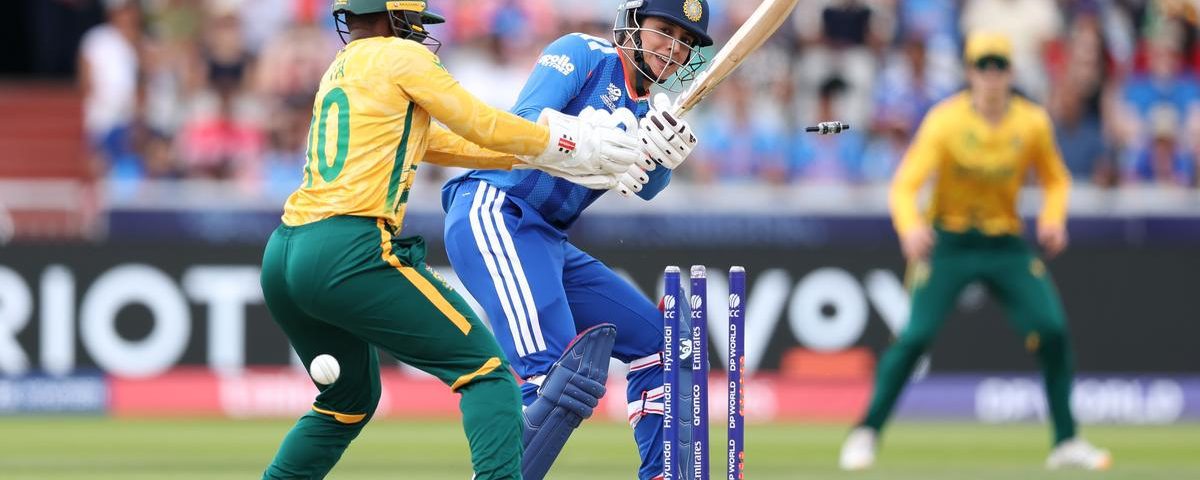
- India currently holds the second position in Group A of the Women's T20 World Cup 2026.
- The team’s win against South Africa is vital for their progression in the tournament.
- South Africa's unexpected loss brings uncertainty to their campaign.
- Statistical trends indicate India's growing dominance in T20 formats.
- The ongoing tournament hints at a shift in women's cricket's competitive landscape.
In a thrilling match on June 21, 2026, India faced South Africa in the Women’s T20 World Cup, securing a crucial victory that places them second in Group A. This match not only showcased the skills of the players but also underscored the evolving dynamics of women’s cricket on the global stage. The Women’s T20 World Cup, held in various international venues, has become a focal point for fans and players alike, enhancing the visibility of the sport.
India’s recent performance in the tournament has drawn attention to their impressive statistics. Throughout the Women’s T20 format, India has demonstrated a remarkable ability to adapt, evidenced by their win rates and scoring averages. The Board of Control for Cricket in India (BCCI) has invested significantly in women’s cricket, fostering a generation of talent that continues to challenge traditional powerhouses in the game.
As the tournament progresses, it is essential to delve deeper into some statistics that highlight the strengths of the competing teams. In the context of the Women’s T20 World Cup, teams often rely on their ability to score runs quickly while maintaining a solid bowling attack. India’s batting lineup boasts an average score of over 150 runs in T20 matches, a benchmark that emphasizes their offensive capabilities.
By the Numbers
Looking at the statistics, India has a winning percentage of approximately 65% in T20 matches since 2021. This is a significant figure, especially when compared to their competitors, highlighting their growth in consistency and skill. Moreover, the team’s average of 5.6 wickets taken per match demonstrates their effectiveness in restricting opponents’ scoring, thus creating pressure that often leads to victories.
On the other hand, South Africa’s defeat against India marked a significant shift in their tournament narrative. Historically, South Africa has maintained a win rate close to 60% in T20 internationals, but this loss raises questions about their current form. With the tournament format being so competitive, every match becomes crucial, and such losses can have ripple effects on team morale and strategy.
As we analyze the performance trends, it’s clear that the skills displayed in the Women’s T20 World Cup are a testament to the increasing competitiveness of the women’s game. Teams are no longer reliant solely on historically dominant nations; instead, emerging nations are making significant strides. The BCCI’s commitment to developing women’s cricket, including professional leagues and training programs, has laid a strong foundation that is evident in India’s current performance.
In terms of records, India’s average runs per over in T20 matches sit comfortably above 8, showcasing their aggressive batting style. This trend aligns with a broader shift in T20 cricket towards higher scoring and faster gameplay, making the format not only exciting for fans but also a critical area for teams to focus on strategically.
Future Implications
As we look ahead in the Women’s T20 World Cup, the results so far suggest that India is poised to be a formidable contender. Their combination of experienced players and rising stars offers a glimpse into a bright future for Indian women’s cricket. Upcoming matches will not only challenge India’s current form but also test their adaptability against teams that are equally determined to make their mark.
The potential impact of this tournament extends beyond immediate results. The visibility and success of women’s cricket can inspire the next generation of athletes, encouraging young girls to pursue sports. The BCCI’s initiatives could contribute to building a more robust ecosystem that supports women’s cricket at all levels, ensuring that the momentum gained from events like the Women’s T20 World Cup continues long after the final match.
In conclusion, India’s placement in the Women’s T20 World Cup points table is a clear indicator of their strategic planning and execution. As the tournament unfolds, fans and analysts alike will be keenly watching how these statistics translate into performance on the pitch and what it means for the future of women’s cricket globally.
At the SNP editorial desk, we recognize the importance of the ongoing Women's T20 World Cup in reshaping narratives around women’s sports. India’s current standing is not just a reflection of individual talent but also of a collective effort by the BCCI to elevate women's cricket on a global scale. As fans, we should consider what this means for the future of the game.<br />
The competitive landscape in women’s cricket is evolving, and with upcoming tournaments, we foresee a tightening of the competition as more nations invest in developing their women’s teams. This could lead to more unpredictable outcomes, making each match more critical than ever. As the world watches, we hope that the passion and dedication of these athletes continue to inspire a broader audience and drive further support for women's cricket.
Sports News Plus is a news aggregator. We do not own or claim rights to any images, videos, or source content featured on this site. All images and media are the property of their respective original owners and publishers. Article content is independently written based on publicly available news sources, which are credited and linked throughout. Full disclosure →