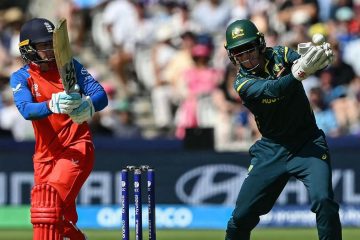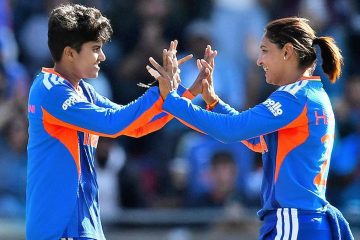
- Only three English players have been appointed as captains in the Women's Hundred.
- The decision reflects ongoing challenges for English women's cricket.
- It may influence player selections in upcoming international fixtures.
- Fan expectations may shift as a result of captaincy choices.
- The implications for the ODI series and test matches could be significant for the BCCI.
Women’s Hundred captaincy In a surprising turn of events, the announcement of captaincy for the Women’s Hundred has left many England cricket fans questioning the future of their national team. Released on July 7, 2026, it was revealed that only three English players—Dean, Armitage, and Gibson—would be leading their respective sides in this revamped competition. The Women’s Hundred, designed to elevate the profile of women’s cricket, is set to take place in England and is crucial for the development of the sport. The implications of selecting such a limited number of English captains opens up a broader discussion about the state of women’s cricket in England.
Women’s Hundred captaincy: What You Need to Know
The lack of representation raises significant questions about the selection criteria for the Women’s Hundred. With the series of ODI matches and upcoming test matches on the horizon, this decision could have reverberating effects on player confidence and team dynamics. The BCCI’s growing influence in women’s cricket, especially after their recent investments, may further strain England’s position, particularly if they fail to adapt quickly to the evolving landscape of the sport.
One cannot overlook the importance of leadership within any sporting context. In cricket, captains play a vital role in inspiring their teams, making strategic decisions, and maintaining morale on and off the field. The limited number of English captains may signal a lack of depth in leadership talent, raising concerns about the developmental pipeline for players who aspire to represent their country in international competitions.
As the Women’s Hundred approaches, the expectations from fans will undoubtedly shift. The anticipation of exciting matches may be marred by concerns about the competitiveness of the English teams. With the ODI series around the corner, it is crucial for these players to step up, not just in terms of their individual performance in batting and taking wickets, but also in their ability to galvanize their teammates. The absence of more experienced leaders could impact England’s standings and their ability to challenge other cricketing nations, particularly those led by seasoned players from India, Australia, and New Zealand.
Looking ahead, the upcoming fixtures and ODI series are likely to be significantly affected by this captaincy decision. A lack of strong leadership could lead to poor performances, which might trigger a selection shake-up for international matches. As the cricketing calendar fills up, the BCCI and other governing bodies will be watching closely how England adapts to this challenge, especially with the 2026 ICC Women’s World Cup approaching.
Analysis & Key Takeaways
The pressure on the BCCI to cultivate its women’s cricket program coincides with the challenges faced by England. As the International Cricket Council’s (ICC) governing body continues to promote women’s cricket globally, England’s inability to place more of its players in leadership roles could leave them at a disadvantage. The cricketing hierarchy is evolving, and England’s traditional dominance could be challenged if they fail to respond to these emerging trends.
In the wake of this captaincy announcement, fans will be keenly observing how the players perform in the Women’s Hundred. The outcomes of these matches will not only affect team morale but could also have significant repercussions on the national team’s structure. If the selected leaders do not deliver, we might see a shift in focus towards younger talent in the upcoming ODI series, which could result in a new wave of players being tested in international fixtures.
As cricket fans reflect on the implications of this news, it is worth noting that the Women’s Hundred is just one piece of a much larger puzzle. The future of women’s cricket in England hangs in the balance, and the upcoming months will be crucial in determining whether the current leadership approach can withstand the pressure from both domestic and international competition.
We must also consider how this situation impacts the fanbase. As expectations shift, fans are likely to become more vocal in their support or criticism of the leadership choices made by cricketing authorities. This dynamic could reshape the relationship between the players and their supporters, especially if results in the ODI series do not meet expectations.
In conclusion, the limited number of English players named as captains in the Women’s Hundred creates a ripple effect that could extend beyond the tournament itself, influencing the ODI series and the future of women’s cricket in England. The next few months will be pivotal in determining the trajectory of both the national team and the player’s careers.
From our perspective, this announcement highlights a crucial inflection point for England’s women’s cricket. With the international cricket calendar packed with ODI series and test matches, the lack of diverse leadership threatens to stifle the development of emerging talents. We believe that the English cricket board must reassess its approach to nurturing leadership qualities among its players.<br />
Moreover, the focus should not solely be on the immediate impact of the Women's Hundred, but rather on how these decisions will shape the future of women's cricket in England. The cricketing world is evolving rapidly, and as other nations like India and Australia invest heavily in their women's programs, England risks falling behind if they do not adapt their strategies accordingly. Keeping an eye on these developments will be crucial for fans and stakeholders alike.
Source: England players overlooked as Women's Hundred captains are named
Sports News Plus is a news aggregator. We do not own or claim rights to any images, videos, or source content featured on this site. All images and media are the property of their respective original owners and publishers. Article content is independently written based on publicly available news sources, which are credited and linked throughout. Full disclosure →