- Ellyse Perry was forced to retire hurt during the semifinal against the West Indies.
- Australia will need to adapt their strategy without Perry's leadership and experience.
- The incident underscores the physical demands placed on athletes in T20 cricket.
- The BCCI's focus on women's cricket may influence future player development.
- Perry's potential absence in upcoming ODI series and test matches could reshape the Australian squad.
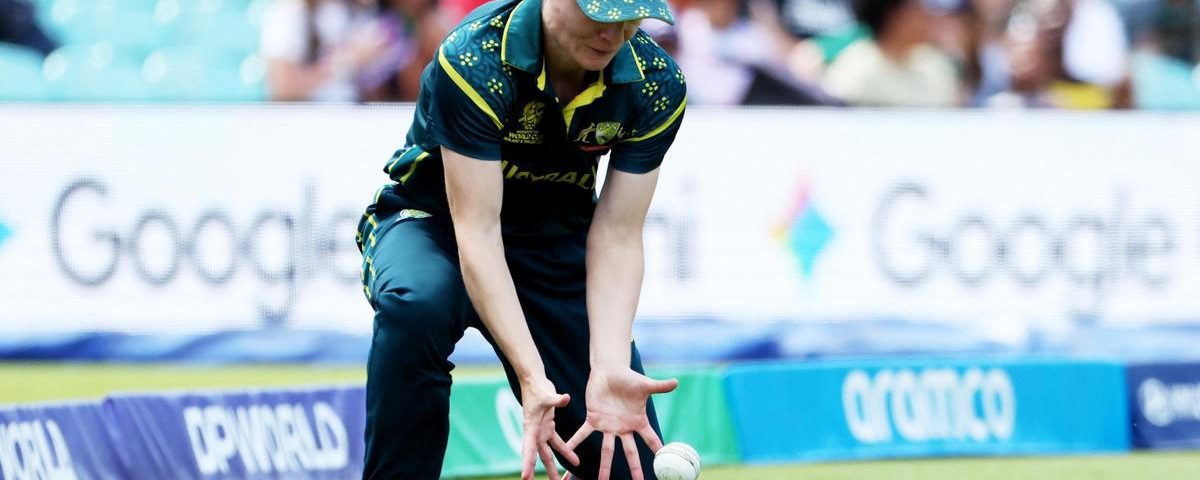
Women’s T20 World Cup In a dramatic turn during the semifinals of the Women’s T20 World Cup 2026, Ellyse Perry, one of Australia’s most celebrated cricketers, was forced to retire hurt against the West Indies. The incident occurred just before the eighth over of Australia’s batting innings, leading to Ashleigh Gardner stepping in as her replacement. This unexpected development not only raises questions about Perry’s fitness but also casts a shadow over Australia’s campaign in the tournament.
Women’s T20 World Cup: What You Need to Know
The significance of this injury extends beyond a single match. Perry has been an integral part of Australia’s women’s cricket team for over a decade, excelling in various formats, including test matches and ODI series. Her experience and skill have been pivotal in shaping Australia into a dominant force in women’s cricket. As the team gears up for the final stages of the World Cup, her absence could severely impact their strategy and morale.
As we analyze the implications of Perry’s injury, it’s essential to consider the broader context of women’s cricket. The increasing competitiveness of the Women’s T20 World Cup highlights the evolution of the sport, as teams like the West Indies have made significant strides in closing the gap with the traditionally stronger sides. The physical demands of T20 cricket require players to maintain peak fitness levels, and injuries can change the course of a tournament in an instant.
Australia’s depth will be tested as they look to fill the void left by Perry. The team management will likely evaluate their batting order and overall strategy, as Perry’s versatility allows her to perform in multiple roles. Gardner stepping in may provide some stability, but the lack of Perry’s leadership on the field could be felt during crucial moments.
Analysis & Key Takeaways
The attention now shifts to how the Board of Control for Cricket in India (BCCI) and other cricketing bodies react to such incidents. With the growth of women’s cricket on the global stage, the BCCI has committed to enhancing its support for female athletes. This increased focus could lead to better player development programs that emphasize injury prevention and management, ensuring athletes like Perry can extend their careers.
As we look to the future, Perry’s situation serves as a reminder of the fragility inherent in professional sports. Her potential absence from upcoming ODI series and test matches not only affects Australia’s line-up but could also shift the balance of power in women’s cricket. Other nations are keenly observing how Australia adapts, and they will be ready to capitalize on any perceived vulnerabilities.
Perry’s injury also emphasizes the need for a strong support system around athletes, including medical teams that specialize in sports injuries relevant to the fast-paced nature of T20 cricket. As the sport evolves, so too must the strategies for managing player health and performance. With the Women’s T20 World Cup 2026 nearing its conclusion, the focus will remain on how teams adapt to the challenges presented by both on-field performances and off-field health issues.
Furthermore, we can’t overlook the impact this injury may have on Perry’s legacy. As one of the leading figures in women’s cricket, her contributions have been monumental. Should she face a prolonged recovery period, this could influence the new generation of players who look up to her as a role model. We must consider how her absence might inspire other players to step up, ultimately reshaping the landscape of women’s cricket.
In conclusion, Ellyse Perry’s retirement hurt during the semifinal against the West Indies opens a plethora of questions regarding the future of the Australian women’s cricket team. The balance of preparation, player fitness, and tactical adjustments will determine how they navigate the remaining challenges of the Women’s T20 World Cup 2026.
From our perspective, the injury to Perry highlights the critical need for teams to not only have a robust starting XI but also a deep bench capable of stepping up in high-stakes situations. The mental aspect of losing a star player is often overlooked, yet it can have a profound effect on team dynamics. Australia has a strong culture, but how they rally in the face of adversity will be a testament to their resilience.<br />
Looking ahead, we believe this could be a turning point for women's cricket, especially with the BCCI's commitment to enhancing infrastructure and support for female athletes. If managed effectively, the evolution of women’s cricket in nations like India could create a new competitive landscape, potentially leading to a more balanced tournament structure in the years to come.
Source: Women’s T20 World Cup 2026: Ellyse Perry retired hurt in semifinal against West Indies
Sports News Plus is a news aggregator. We do not own or claim rights to any images, videos, or source content featured on this site. All images and media are the property of their respective original owners and publishers. Article content is independently written based on publicly available news sources, which are credited and linked throughout. Full disclosure →