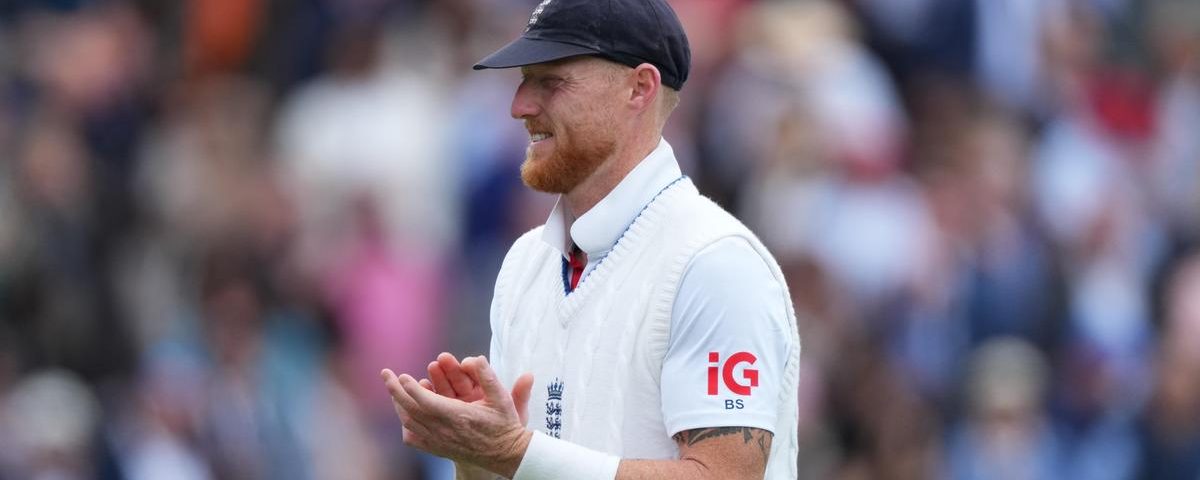
- Ben Stokes will play for Durham in the County Championship during England's absence.
- Joe Root has taken over as interim captain, marking a significant leadership change.
- This decision raises questions about team dynamics and strategy moving forward.
- Historical precedents indicate mixed outcomes for similar leadership shifts.
- Fans can expect a renewed focus on player development and performance metrics as England navigates this transition.
In a significant shift for English cricket, Ben Stokes has announced his participation in the County Championship for Durham while the national team gears up for its upcoming Test matches. This decision comes as England’s full-time Test captain, Stokes was recently dropped from the playing XI, with Joe Root stepping in as interim captain. The announcement was made on June 18, 2026, and the cricketing community is abuzz with speculation about its implications for England’s future performance.
Stokes’ return to domestic cricket marks a pivotal moment not only for his career but also for the team dynamics within the England setup. His decision to play for Durham is expected to enhance his batting and wicket-taking form, allowing him to refine his skills ahead of crucial international fixtures. As we consider the backdrop of this event, the impact of Stokes’ participation on Durham’s performance, as well as its influence on the national team’s strategy, warrants deeper examination.
Historical Context: Similar Moments in Cricket History
This is not the first time England has experienced such a shift in leadership and player roles. Historically, cricket has seen numerous instances where a captain’s absence or poor form has led to significant strategic changes. For instance, in 1981, England’s cricket landscape changed dramatically when Ian Botham took over the captaincy during a challenging Ashes series. His leadership style infused new energy in the team, leading to an iconic series win.
Another notable moment occurred in the early 2000s when Nasser Hussain stepped down as captain due to poor performance, paving the way for Michael Vaughan. Vaughan’s appointment transformed the team’s fortunes, culminating in an Ashes victory in 2005 that is still celebrated today. These historical precedents suggest that leadership changes can result in revitalization or, conversely, lead to challenges that test the team’s resilience.
Stokes’ decision to play for Durham is steeped in historical context, echoing the sentiments of past players who have taken similar paths. The outcomes of these situations have often hinged on the players’ ability to adapt and the team’s willingness to embrace change. If history is any indicator, we may see a blend of opportunity and struggle as England navigates this leadership transition.
What’s Next for England Cricket?
As Stokes re-engages with county cricket, the focus will be on how this experience affects his performance in future Test matches. With the BCCI (Board of Control for Cricket in India) and other cricketing boards keeping a keen eye on England’s development, the implications of Stokes’ form could resonate beyond the domestic circuit. The decision to allow a top player like Stokes to play in the County Championship reflects a strategic move to bolster national team performance by ensuring that key players remain match-fit and mentally sharp.
Moreover, the interim captaincy of Joe Root carries its own set of challenges. Root’s ability to lead a team amidst uncertainty will be scrutinized closely. If he can galvanize the squad, it may lead to a reassessment of the leadership role moving forward. Stokes’ involvement could serve as both a mentor and a player who is instrumental in bridging the gap between experienced and younger players on the team.
The interplay of batting and wickets during this period of transition will be critical as England prepares for upcoming ODI series. The need to build a cohesive unit that can perform under pressure will require collaboration and strategic planning. As Stokes looks to regain his form, fans and analysts alike will be watching closely to see how his return to county cricket impacts his role in the national team.
As we reflect on the potential outcomes of this decision, it’s worth noting that history has taught us that change can bring both uncertainty and opportunity. Whether Stokes’ involvement with Durham leads to a resurgence for both him and the national team remains to be seen, but one thing is clear: the coming months will be vital for England cricket as it navigates this new chapter.
In our view, the decision for Ben Stokes to play in the County Championship while temporarily sidelined from the national team is emblematic of a broader trend we are seeing across international cricket. Players are increasingly taking control of their careers, opting to refine their skills at the domestic level when faced with challenges at the international stage. This trend not only highlights the importance of player welfare and development but also emphasizes the dynamic nature of modern cricket.<br />
Moreover, Joe Root stepping in as interim captain could be a double-edged sword. While he brings experience and a steady hand, the pressure to perform in such turbulent times can be immense. We wonder if he can harness the energy of a re-energized Stokes and blend it effectively with the younger talents in the squad. Ultimately, the success of this transition will rely heavily on the team’s ability to adapt, innovate, and learn from the past.
Source: ENG vs NZ: Ben Stokes to play County Championship for Durham in England absence
Sports News Plus is a news aggregator. We do not own or claim rights to any images, videos, or source content featured on this site. All images and media are the property of their respective original owners and publishers. Article content is independently written based on publicly available news sources, which are credited and linked throughout. Full disclosure →