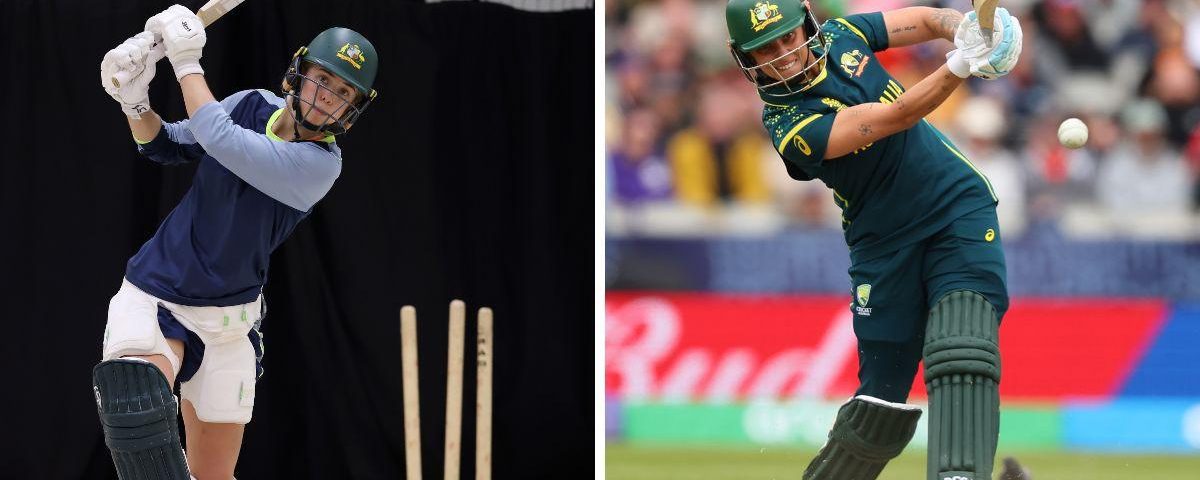
- Australia is struggling with injuries as they prepare for their clash against India in the Women's T20 World Cup.
- Key players like Phoebe Litchfield and Ashleigh Gardner may miss important upcoming matches.
- Australia currently holds second place in Group A, just behind India.
- Historical precedents show how injuries can shift the dynamics in international cricket tournaments.
- With their current state, Australia must adapt quickly to maintain a competitive edge against formidable opponents.
Women’s T20 World Cup The Women’s T20 World Cup 2026 is heating up as Australia prepares for a crucial clash against arch-rivals India. Scheduled for June 20, 2026, in a high-stakes match in Cape Town, South Africa, the Australian team is facing significant challenges. The absence of emerging star Phoebe Litchfield, along with the questionable status of veteran all-rounder Ashleigh Gardner due to injuries, puts the squad’s depth and resilience to the test. Currently, Australia stands second in Group A, trailing behind India, who recently secured a commanding 95-run victory over the Netherlands.
Women’s T20 World Cup: What You Need to Know
Injuries at this crucial juncture can be pivotal in any tournament, particularly in cricket, where the balance of a team can drastically change based on player availability. Litchfield, who has been a standout performer, showcasing her batting prowess, is particularly missed as Australia looks to bolster their batting lineup. The team will need to rely on its seasoned players and emerging talents to step up in her absence.
As the match against India approaches, the pressure mounts. The Australian squad has a rich history of overcoming adversity, but the current injury situation demands a strategic re-evaluation. Coaches and selectors must make tough decisions regarding player rotations and tactics. The upcoming match not only influences the current standings in the tournament but may also dictate the team’s trajectory moving forward, potentially impacting their chances in the semifinals and beyond.
Historical Context
This isn’t the first time Australia has faced a challenge of this magnitude in international competition. If we look back to the 2022 Women’s Cricket World Cup in New Zealand, Australia entered the tournament as a formidable force but lost key players to injuries as well. This led to a restructuring of the team mid-tournament, ultimately affecting their performance. They were able to make it to the final, but the absence of their star players was felt throughout the campaign.
Analysis & Key Takeaways
Injuries have a way of testing a team’s resolve. For example, during the 2017 Women’s World Cup, England’s star player Sarah Taylor was sidelined by injury, yet the team rallied around her absence to secure the title. History shows that while injuries can create setbacks, they can also forge unity and resilience within a squad.
What can we learn from these past experiences? For Australia, the focus will have to shift from individual brilliance to collective effort. The emergence of new players in critical roles can also be an opportunity; just as we saw with the likes of Sophie Ecclestone rising to prominence during pressure situations, Australia may find its next star in the upcoming matches.
As the Women’s T20 World Cup progresses, the Australian team must take heed of history. They need to channel the spirit of past champions who have faced similar situations and emerged victorious. The upcoming match against India not only stands as a test of skill but also of mental fortitude and team cohesion.
With the Board of Control for Cricket in India (BCCI) celebrating the growing popularity of women’s cricket, the contest will also serve as a crucial indicator of the rising competitive standards in the women’s game. The stakes are high, and the performance against India will set the tone for not just the rest of the tournament but also for the future of Australian women’s cricket.
As we look ahead, the focus will be on how Australia adapts to its personnel challenges and whether they can leverage their historical strengths to overcome this setback. The resilience of the squad and the innovative strategies they employ will be critical in shaping their campaign as they strive for another title.
As we analyze the current situation, it’s evident that Australia stands at a crossroads. While their performance in the group stage has been commendable, the looming injury crisis could unravel their plans. From our perspective, the team’s ability to adapt and innovate will be paramount. We believe that if Australia can rally behind their replacements and build a strong unified front, they can still secure a spot in the semifinals.<br />
However, they must be cautious. India is not just a rival; they are an emerging powerhouse in women’s cricket, and the recent win against the Netherlands underscores their growing capabilities. It wouldn’t be surprising to see Australia face a formidable challenge, and the outcome may significantly influence the trajectory of both teams in this World Cup.<br />
If history teaches us anything, it’s that tournaments can be unpredictable, but teams that embrace change and adapt quickly often find success. Australia must leverage their experience while also being willing to embrace the next generation of players. The next few matches will not only be a test of skill but also a testament to the strength of team spirit and resilience.
Source: Women’s T20 World Cup 2026: Australia’s Litchfield could miss India clash; Gardner also injured
Sports News Plus is a news aggregator. We do not own or claim rights to any images, videos, or source content featured on this site. All images and media are the property of their respective original owners and publishers. Article content is independently written based on publicly available news sources, which are credited and linked throughout. Full disclosure →