- The Colts opted against a first-round trade during the 2026 NFL Draft.
- Speculation surrounds their decision not to target a franchise quarterback.
- The lack of aggressive moves could impact their Super Bowl aspirations.
- Potential future trades may still address their roster needs.
- The Colts must evaluate their quarterback situation moving forward.
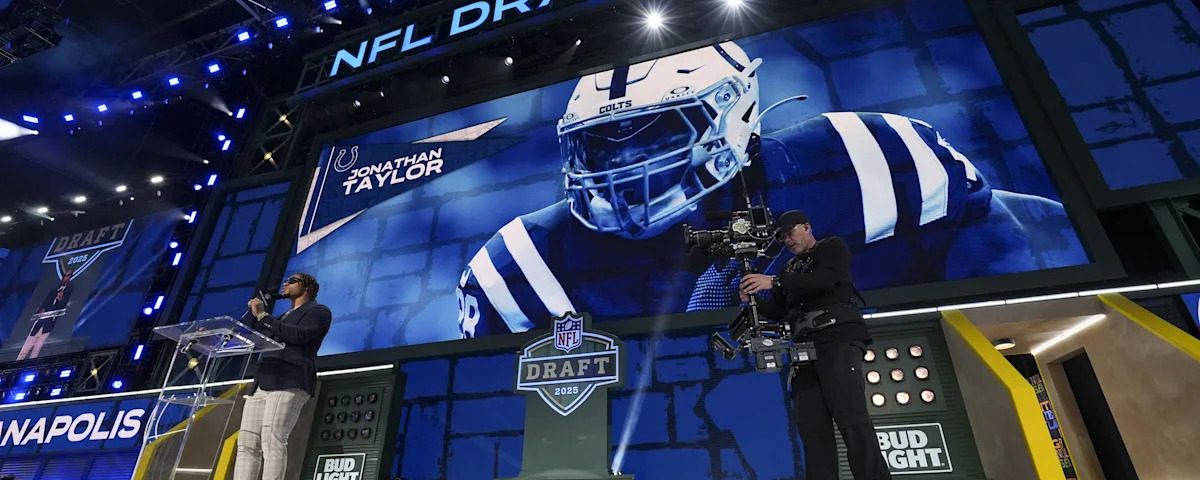
On April 23, 2026, the Indianapolis Colts engaged in the NFL Draft, opting to stand pat rather than trade into the first round. This decision has sparked debate among fans and analysts alike about whether the Colts missed a critical opportunity to secure a franchise quarterback. With the draft taking place in Las Vegas, the Colts’ choice not to be more aggressive stands out against a backdrop of teams jockeying for position to acquire high-potential talent.
NFL Draft: What You Need to Know
The allure of the first round is undeniable, especially in a draft class touted for its quarterback talent. Teams like the Chicago Bears and the Washington Commanders made bold moves to secure their future signal-callers, leaving many to wonder if the Colts, who have had a tumultuous quarterback situation in recent seasons, should have followed suit. The decision to remain in their original draft position might reflect a sense of confidence in their current roster or a strategic approach to building depth, but it also raises questions about the team’s long-term vision.
In the world of American football, having a franchise quarterback is often the key to success. The Super Bowl-winning teams of the past decade have often been led by quarterbacks who not only perform well but also inspire confidence in their teammates. The Colts’ recent struggles at the position have been well documented, and the absence of a clear long-term plan could hinder their aspirations for postseason success.
A closer analysis of the Colts’ roster reveals a mix of emerging talent and experienced veterans. While the team has made strides in certain areas, they have yet to find a quarterback who can consistently lead them to the promised land. The decision to stand firm during the draft could suggest a commitment to developing the existing players, but this approach may not excite a fanbase eager for a return to Super Bowl contention.
Part of the reasoning behind the Colts’ draft strategy could hinge on their scouting reports and internal assessments. They may believe that the existing quarterbacks on their roster, alongside a potentially strong offensive line and receiving corps, can be sufficient to compete in the AFC South. However, we must consider the competitive landscape of the NFL. The division is becoming increasingly formidable, with teams like the Jacksonville Jaguars showing they are not to be underestimated.
Analysis & Key Takeaways
With the draft concluded, the Colts now face a crucial period of evaluation. They must assess their quarterback options thoroughly, as the upcoming season could be pivotal for the franchise. If the Colts feel they missed an opportunity in the draft, they might explore trades or free agency to bolster their ranks under center, especially if they want to avoid stagnation in a league that rewards bold moves.
As the 2026 NFL season approaches, the importance of this decision will become increasingly evident. The Colts might find themselves at a crossroads in their quest for a championship. If they can find a way to stabilize the quarterback position, they may yet make a run for the Super Bowl title. However, the window of opportunity is narrowing, and the urgency to act is palpable.
We can’t overlook the psychological aspect of this draft. The Colts’ front office must ensure that their players and fans are on board with their vision. Failing to make a splash in the first round could breed discontent and skepticism. The franchise needs to foster belief in their plan while also preparing for the challenges ahead.
The decision to remain passive during the draft can also be attributed to the broader strategic philosophy of building a sustainable team. The Colts may be prioritizing a long-term approach, focusing on developing talent rather than seeking quick fixes. This is a commendable strategy, but it must be executed with precision, especially when it comes to critical positions like quarterback.
As we look to the future, we must wonder whether the Colts will remain committed to this strategy or if they will adapt to the realities of a league that often rewards aggressive moves. The NFL is a dynamic environment, and the clock is ticking for the Colts to make their mark.
In our view, the Colts’ decision to avoid a first-round trade could have long-term implications for their franchise. While patience and strategy are crucial for building a competitive team, the NFL is unforgiving to those who hesitate when opportunities arise. The quarterbacks taken in this draft may become the faces of their franchises, while the Colts could be left searching for answers yet again.<br />
Moreover, the Colts must be prepared for the backlash from fans and analysts who expected a more aggressive approach. In a league where the quarterback position can dictate playoff success, the Colts' current standing could leave them vulnerable to being outpaced by teams that are more proactive. As we move closer to the upcoming season, it will be interesting to see how the Colts address their quarterback situation and whether they can rebound from what many perceive as a missed opportunity.
Source: Should the Colts have traded into the first round of the 2026 draft?
Sports News Plus is a news aggregator. We do not own or claim rights to any images, videos, or source content featured on this site. All images and media are the property of their respective original owners and publishers. Article content is independently written based on publicly available news sources, which are credited and linked throughout. Full disclosure →