- The Buffalo Bills opted to trade back multiple times during the 2026 NFL Draft.
- This strategy has sparked debate among analysts regarding its long-term impact.
- Trading back can enhance future draft capital, but risks immediate roster improvement.
- Historical data shows that teams trading back often see varied success rates.
- The Bills' decisions could reshape their Super Bowl aspirations moving forward.
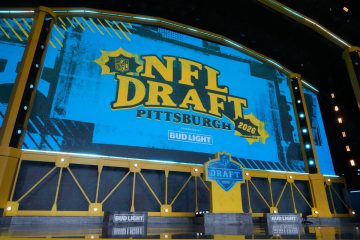
In a surprising turn of events during the 2026 NFL Draft, the Buffalo Bills made the choice to trade back multiple times, raising eyebrows across the landscape of American football. This decision, occurring on April 24, 2026, at the draft held in Las Vegas, has sparked a flurry of analyses and discussions about the team’s approach to building for the future. Head coach Sean McDermott and general manager Brandon Beane have seemingly prioritized accumulating draft capital over immediate roster upgrades, a strategy that could be both a gamble and a calculated risk.
NFL Draft: What You Need to Know
The Bills’ decision to move back in the draft order has historical parallels in the NFL, where teams have opted for similar strategies in hopes of securing a more robust talent pool. While trading down can often lead to acquiring additional picks in future drafts, it can also signify a lack of confidence in the immediate talent available. For a franchise that has been on the cusp of Super Bowl contention in recent years, these moves prompt questions about their commitment to winning now versus building for the future.
From a statistical standpoint, teams that trade back in the NFL Draft have seen a mixed bag of outcomes. For instance, according to historical data, teams that traded back in the first round had a 50% success rate in drafting a player who would become a consistent starter within three years. Furthermore, the win rates of teams that have traded back significantly vary. In 2021, for example, teams like the Minnesota Vikings saw their win percentage rise by 15% the season following a trade-back strategy, while others, like the Chicago Bears, experienced a decline in their fortunes.
Analysis & Key Takeaways
In terms of scoring averages, the Bills have traditionally enjoyed a strong offensive unit, ranking in the top 10 for scoring offense in the previous two seasons. However, trading back means that the Bills may miss out on immediate contributors who can help bolster that scoring average. Given that the NFL is a league where touchdowns often dictate a team’s success, the Bills’ approach will be critical in determining whether they can maintain or improve their offensive potency.
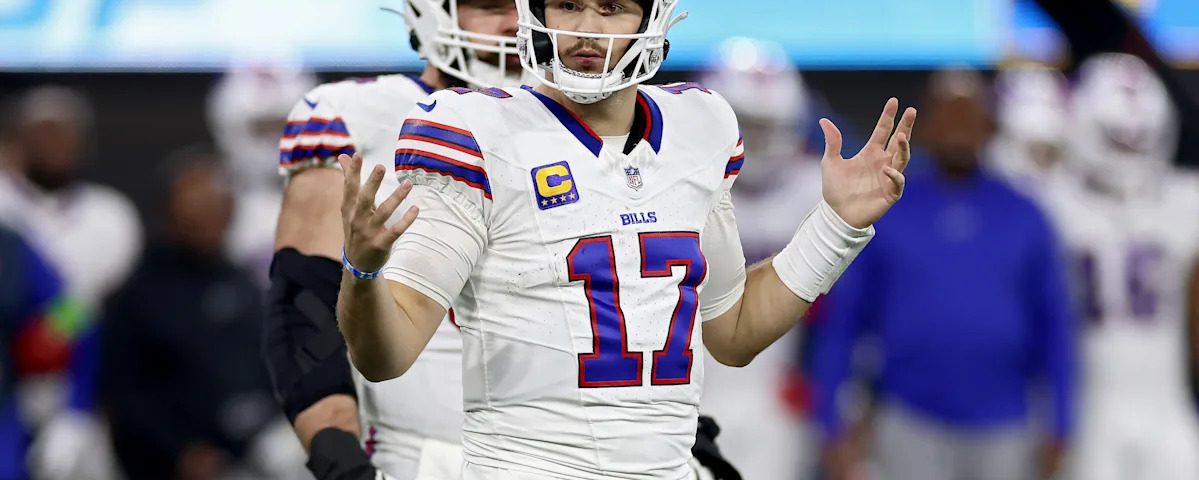
The quarterback position is pivotal in any NFL team’s success, and the Bills are fortunate to have a talented signal-caller in Josh Allen. As they focus on the future, the organization must ensure that their franchise quarterback has the tools and weapons necessary to lead a Super Bowl-winning team. By trading back, the Bills are betting on the long-term development of their roster, but they must also balance that with the imminent need to support Allen and capitalize on his prime years.
Looking ahead, the implications of the Bills’ choices in the 2026 NFL Draft will reverberate through the upcoming seasons. While it’s too early to label their moves as a success or failure, the long-term vision will ultimately be measured by their performance on the field. If they can successfully leverage their increased draft capital to land impact players in the coming years, this strategy may pay dividends in the quest for a championship. On the other hand, if they miss out on immediate talent that could have bolstered their playoff aspirations, questions will linger about the wisdom of their draft decisions.
As the Bills navigate this pivotal time in their franchise history, the trade-back strategy could either set them up for sustained success or leave them searching for answers in the near future. The 2026 season will serve as a key indicator of whether their approach was prudent or overly cautious, especially as they look to build a roster capable of competing for the coveted Super Bowl title.
As we analyze the broader implications of the Bills' draft strategy, we can’t help but wonder if this approach signals a shift in the philosophy of NFL teams regarding roster building. Rather than seeking immediate gratification through high-profile picks, the Bills seem to be embracing a longer-term vision, which may very well be the future of the league.<br />
However, we must consider the inherent risks of this strategy. The NFL is a league defined by its competitive nature, where every season presents a new opportunity to seize the moment. By trading back, the Bills are essentially banking on their ability to identify and develop talent later in the draft. While this can certainly lead to fruitful results, the pressure is now on the coaching staff and scouting department to deliver on that promise. If they falter, questions will arise about the effectiveness of their decision-making process, and the franchise could find itself facing a critical crossroads.<br />
In a league that often rewards immediate success, it will be fascinating to see how the Bills balance the dual priorities of building for the future while also remaining competitive in the present. Their decisions in the coming seasons will undoubtedly shape the franchise's trajectory and could define the legacy of this current regime.
Source: Grade the Bills’ moves during Round 1 of 2026 NFL Draft
Sports News Plus is a news aggregator. We do not own or claim rights to any images, videos, or source content featured on this site. All images and media are the property of their respective original owners and publishers. Article content is independently written based on publicly available news sources, which are credited and linked throughout. Full disclosure →