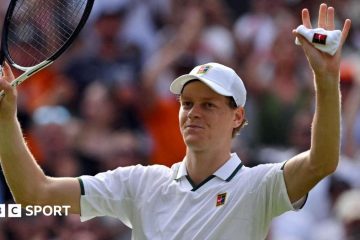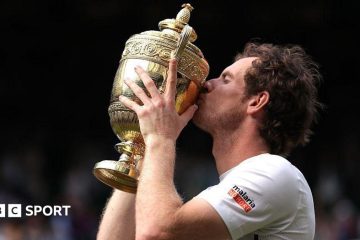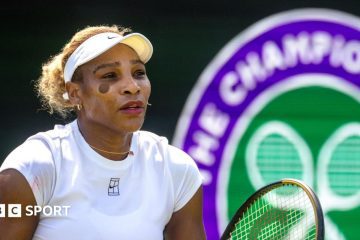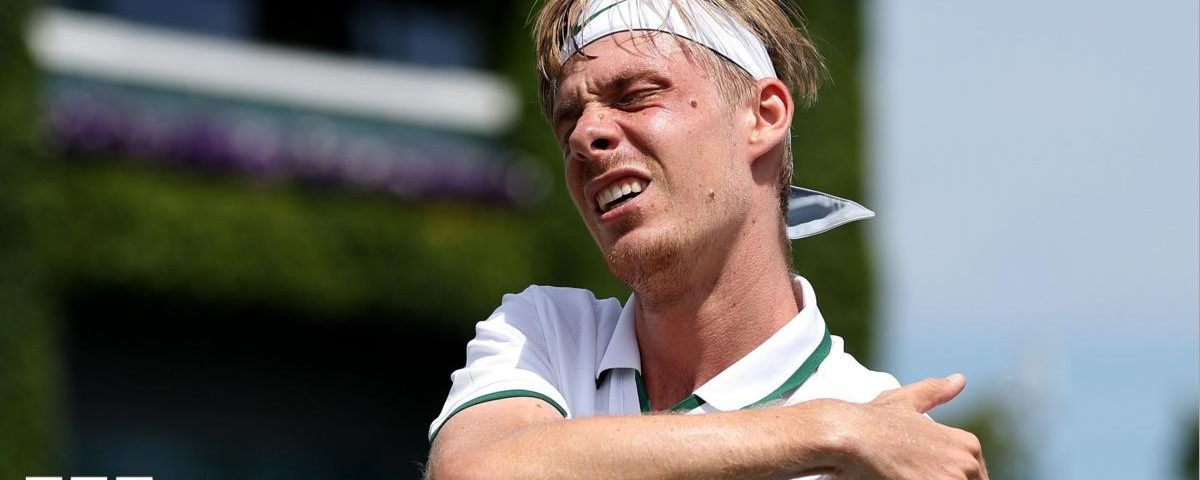
- British stars Jack Draper and Emma Raducanu withdrew from Wimbledon due to injuries.
- A rising number of top players are facing injury challenges, impacting the grand slam landscape.
- The relentless nature of the professional tennis circuit contributes to physical strain.
- Injuries create tactical gaps that can shift match results significantly.
- The tennis community must adapt strategies for training and recovery to mitigate injury risks.
Tennis injury crisis In a shocking turn of events just days before Wimbledon 2026, British tennis players Jack Draper and Emma Raducanu announced their withdrawals from the prestigious grand slam due to injuries. These withdrawals have reignited conversations about the growing injury crisis impacting the sport, particularly within the ATP and WTA tours. As the tennis world gears up for one of its biggest events, the implications of these injuries stretch far beyond just the players involved, influencing match results and the broader competitive landscape.
This year has seen an alarming uptick in injuries among top players, raising questions about the physical demands of modern tennis. The grueling nature of the professional circuit, with its relentless schedule of tournaments and matches, leaves minimal time for recovery. Players are pushed to their limits, and the toll on their bodies is becoming increasingly evident. The high-stakes environment of grand slam events exacerbates this pressure, as athletes strive to secure their places in the ATP rankings and WTA standings.
The impact of injuries on match results can be profound. When players like Draper and Raducanu are unable to compete, it opens doors for their opponents, altering the anticipated dynamics of the tournament. For instance, a lower-ranked player may unexpectedly advance deeper into the draw, potentially changing the landscape of the competition. Understanding the tactical implications of these withdrawals is crucial for fans and analysts alike.
The Relentless Nature of Modern Tennis
The current tennis calendar is brimming with events, from ATP and WTA tournaments to the grueling grand slams. Compounded by the physical demands of the sport, this relentless schedule often leads to overuse injuries, particularly in younger players who are still developing their bodies. The pressure to perform consistently at a high level, combined with the need to secure ranking points, creates a perfect storm for injuries.
As players like Draper and Raducanu withdraw, their absence not only alters match results but also forces their competitors to adapt tactically. For example, a player who would typically prepare for a specific game style must quickly reassess their strategy if they face an unexpected opponent. This shift creates a tactical gap that can be exploited, leading to unexpected upsets and reshaping the narrative of the tournament.
The psychological aspect of injuries cannot be overlooked. For many athletes, the fear of reinjury can lead to conservatism on the court, affecting their performance. Additionally, the mental toll of watching peers compete in their absence can be devastating, making the return to competitive play even more challenging.
Tactical Breakdown: The Impact of Key Withdrawals
With the withdrawals of Draper and Raducanu, there are specific tactical implications that ripple through the tournament. Both players bring unique strengths to the court; Draper’s aggressive baseline play and Raducanu’s versatile shot-making are assets that can shift match outcomes. Their absence disrupts the anticipated formations and strategies that competitors prepare for.
For example, if a player expected to face Raducanu—a known counter-puncher with a powerful serve—they must now prepare for a different style. The alternate player may not possess the same skills, forcing competitors to recalibrate their game plans. This sudden shift places additional pressure on remaining players, who must now navigate unknown tactics and styles.
Furthermore, the psychological edge that comes with facing a familiar opponent is lost. Players often develop mental frameworks built on past encounters; when those frameworks are disrupted, it can lead to uncertainty on the court. This dynamic is essential to watch as the tournament progresses, as it could lead to surprising match results.
The tennis community must also consider how to address this injury crisis moving forward. Strengthening recovery protocols, implementing more strategic scheduling, and promoting physical conditioning tailored to the demands of modern tennis are all avenues to explore. These changes could help mitigate the risks associated with injuries, ultimately benefiting players and enhancing the quality of the sport.
As we look ahead to the rest of the season, the implications of the injury crisis extend beyond individual players. With the grand slam landscape shifting, the need for innovative strategies in player management and health becomes ever more pressing. The tennis world must adapt to ensure the longevity of its stars and the integrity of the sport itself.
From our perspective, the ongoing injury crisis in tennis is symptomatic of a broader issue: the unsustainable pace of modern competition. As the sport evolves, it's crucial for governing bodies to reassess the athlete's workload and the physical demands of the tour. The current structure not only jeopardizes the health of athletes but also undermines the very essence of competition, where the best players should be available to compete at their highest levels.<br />
Looking ahead, we anticipate that if the trend of injuries continues unchecked, we may see a significant shift in player development strategies. Emerging talents might focus more on longevity rather than immediate success, prioritizing sustainable practices over short-term gains. As the grand slam tournaments approach, fans and analysts alike should prepare for a new era in tennis where health and recovery may become just as crucial as skill and strategy.
Source: Is tennis' relentless nature causing injury crisis?
Sports News Plus is a news aggregator. We do not own or claim rights to any images, videos, or source content featured on this site. All images and media are the property of their respective original owners and publishers. Article content is independently written based on publicly available news sources, which are credited and linked throughout. Full disclosure →