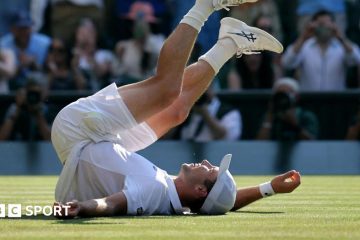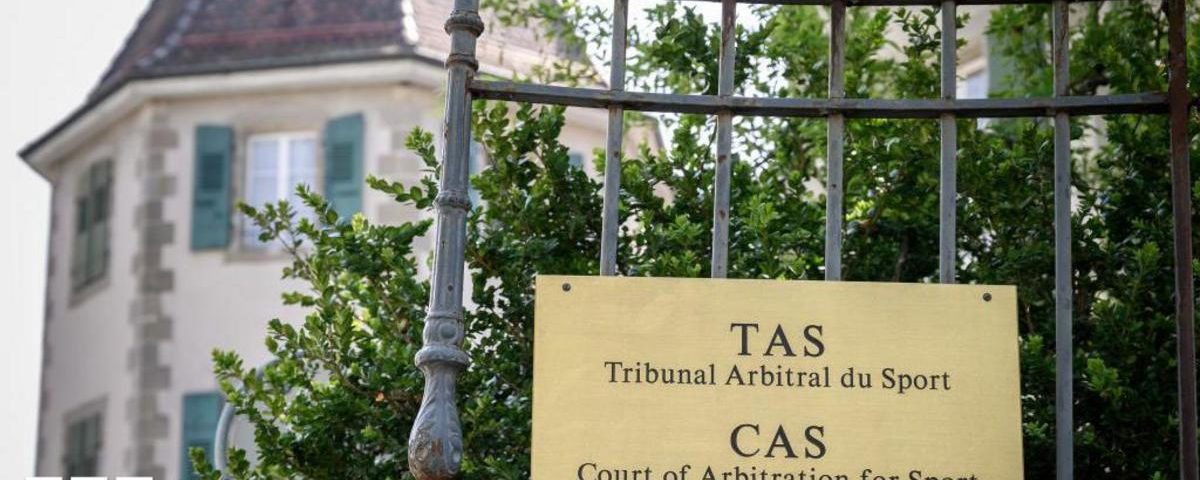
- Samuel Bensoussan's match-fixing ban has been extended by three years.
- The International Tennis Integrity Agency confirmed the ban after Bensoussan's appeal failed.
- This decision impacts his ATP ranking and future participation in events.
- Fans and fellow players are left questioning the integrity of tennis.
- The extended ban will likely influence upcoming tournaments and player dynamics.
French tennis player Samuel Bensoussan has found himself in deeper waters after his match-fixing ban was extended by three years, as confirmed by the International Tennis Integrity Agency (ITIA) on July 16, 2026. Initially sanctioned for his involvement in match manipulation, Bensoussan’s appeal was unsuccessful, leading to this significant increase in his suspension. With this ruling, he will be barred from participating in any ATP or WTA events until at least 2029, effectively sidelining him during pivotal years of his career.
Match-fixing ban: What You Need to Know
The implications of this decision are manifold, touching various aspects of professional tennis. For Bensoussan, this means not only the loss of competitive opportunities but also a considerable impact on his ATP ranking. He was once seen as a promising talent, but now his future in the sport is cast in uncertainty. The extended ban raises questions about how the tennis community will view him upon his return, assuming he ever makes it back to the circuit.
Moreover, the ramifications extend beyond just Bensoussan. His absence will be felt in upcoming fixtures, particularly as the ATP and WTA circuits head towards major tournaments, including the prestigious Grand Slam events. With each tournament that Bensoussan misses, players who might have faced him in early rounds will benefit from a potentially easier path to advance. This could shift the dynamics of player matchups and impact their respective standings.
Looking ahead, Bensoussan’s situation may also influence the selection processes for national teams and player representation. Countries typically field their strongest players for international competitions, and Bensoussan’s inability to compete may open doors for emerging talents who are vying for spots. As national federations reassess their rosters, we could see a wave of new faces representing their countries in future events.
Analysis & Key Takeaways
Fan expectations are likely to shift, too. Bensoussan had garnered a following due to his promising skills on the court, and his ban might lead to disappointment among supporters who hoped to see him rise through the ranks. Furthermore, this situation shines a spotlight on the importance of maintaining integrity within the sport. As fans become more aware of these issues, their expectations for transparency and fairness may grow, prompting governing bodies to bolster their efforts against corruption.
The match-fixing scandal surrounding Bensoussan reminds us that while tennis is a game of skill and endurance, it is also susceptible to the darker sides of competition. The ITIA’s decisive action may serve as a deterrent for others contemplating similar actions, but it also raises the stakes for players who must navigate a system increasingly focused on integrity. As we anticipate the fallout from this ruling, the ripple effects on tournament outcomes and player dynamics will be fascinating to observe.
In the wake of this ruling, the tennis community must grapple with its broader implications. The ATP and WTA tours have long been marred by concerns over match-fixing, and the harsh penalties imposed on players caught in the act emphasize a zero-tolerance approach. However, this raises questions about the support systems in place for players, particularly those who may feel pressured to engage in unethical practices due to external factors. Bensoussan’s case could incite discussions on how to better protect athletes from exploitation.
Furthermore, as we look to upcoming fixtures, the absence of a player like Bensoussan could potentially alter the competitive landscape. In tournaments leading to the Grand Slams, this opens up opportunities for lower-ranked players to make unexpected runs, potentially reshaping the ATP rankings. The psychological impact of knowing that a competitor is sidelined could also affect the mindset of other players, who may feel emboldened or anxious depending on their own performance.
As the tennis world watches closely, the immediate future will see how governing bodies respond to this incident and whether we witness a shift in policies regarding player conduct. With the integrity of tennis at stake, it is imperative that the sport continues to address these issues head-on, ensuring that future generations can compete on a level playing field.
As observers of the sport, we find Bensoussan's situation to be a microcosm of the challenges facing professional tennis today. The decision to extend his ban sends a clear message about the consequences of unethical behavior, yet it also highlights the systemic issues that need addressing within the sport. If the ATP and WTA hope to maintain their integrity, they must not only impose penalties but also create an environment where players feel supported and educated about the risks and repercussions of match-fixing.<br />
Looking ahead, we anticipate that this incident may catalyze discussions about player welfare and the pressures that lead to such questionable decisions. Are there resources in place to help players who might be vulnerable to coercion? As fans, we want to see a sport where talent prevails, untainted by the shadow of corruption. With Bensoussan's case echoing through the halls of tennis governance, we might be on the cusp of meaningful reform.
Source: Three years added to French player's match-fixing ban
Sports News Plus is a news aggregator. We do not own or claim rights to any images, videos, or source content featured on this site. All images and media are the property of their respective original owners and publishers. Article content is independently written based on publicly available news sources, which are credited and linked throughout. Full disclosure →