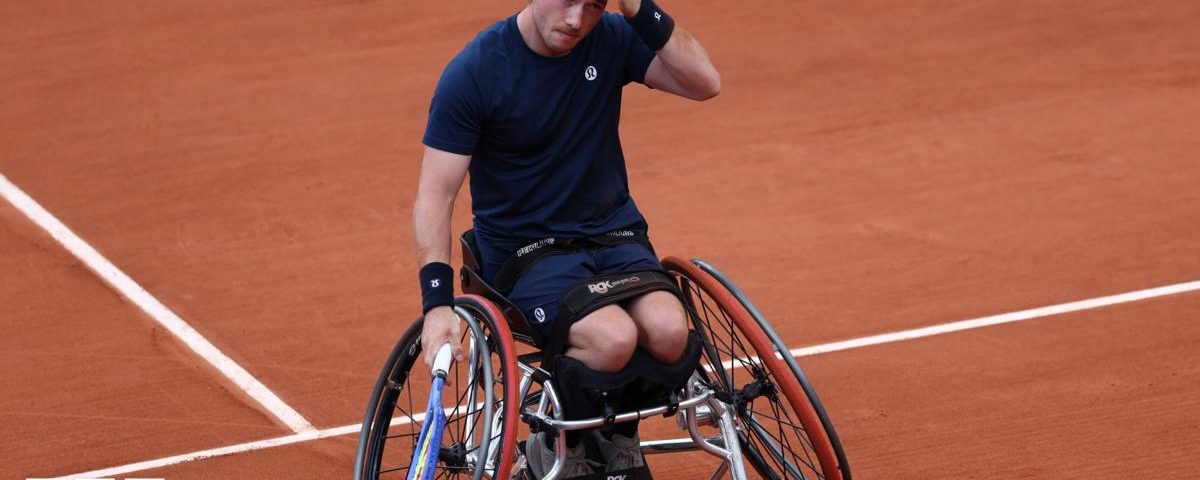
- Alfie Hewett lost the French Open wheelchair singles final to Tokito Oda for the second straight year.
- This defeat raises questions about Hewett's future trajectory in Grand Slam tournaments.
- Oda's victory reinforces his stature as a formidable competitor in the wheelchair tennis circuit.
- Fans are divided over Hewett's performance, with some calling for changes in his training regimen.
- The match result may have implications for Hewett's ATP ranking and future Grand Slam aspirations.
French Open wheelchair singles In an emotionally charged final at the French Open on June 6, 2026, Alfie Hewett faced off against Japan’s Tokito Oda in a rematch that had all the elements of a dramatic showdown. For the second consecutive year, Hewett tasted defeat, falling short in a gripping contest that showcased the resilience and skill of both athletes. The match took place on the hallowed clay courts of Roland Garros, a venue synonymous with tennis history and excellence.
This year’s final was more than just a battle for the trophy; it was a clash of wills, with Oda emerging victorious once again, solidifying his place among the elite in wheelchair tennis. Hewett, who has long been a fan favorite, found himself grappling with the weight of expectations as he aimed to reclaim his title. The match result not only stings for the British player but also stirs conversations about his current standing and future prospects in Grand Slam tournaments.
The narrative surrounding Hewett’s loss is multifaceted. Many supporters are rallying behind him, highlighting his determination and previous successes. However, there is an undercurrent of concern regarding his performance in high-pressure situations. As fans dissect the match, social media platforms have become a battleground for opinions, with some praising Hewett’s tenacity, while others express frustration at his inability to secure key points when it mattered most.
Fan Reaction: A Mixed Bag of Emotions
The reaction from fans has been as varied as the tennis displayed in the final. On Twitter, hashtags like #TeamHewett and #OdaWins have been trending, illustrating the split support. Many fans of Hewett are expressing their disappointment but remain optimistic about his future, urging him to learn from this setback and come back stronger. Supporters are debating whether Hewett should consider changing his training strategies or even his coaching team to break the cycle of near-misses in crucial matches.
Conversely, Oda’s fans are celebrating his remarkable feat, acknowledging his skill and composure under pressure. Some are even suggesting that Oda is on the verge of becoming a household name in wheelchair tennis, deserving of the same recognition afforded to ATP and WTA stars. The discourse is amplified by fan videos capturing raw reactions during the match, which have gone viral, illustrating the emotional rollercoaster that accompanies such high-stakes encounters.
In light of this match result, questions are being raised about how Hewett can adjust his approach in future Grand Slam events. The pressure to perform at the highest level is immense, and as the tennis season progresses, all eyes will be on him to see how he rebounds from this defeat. Will he take the lessons learned from this final and adapt his game, or will the shadow of back-to-back losses linger, affecting his ATP ranking and overall confidence?
A Look Ahead: What This Means for the Season
As the tennis world turns its gaze toward the remaining Grand Slam events in the calendar, Hewett’s performance at Roland Garros will undoubtedly be a focal point. Losing in consecutive finals can have a psychological toll on any athlete, and it’s crucial for Hewett to channel this disappointment into motivation. Given the competitive nature of the wheelchair tennis circuit, where emerging talents are continually rising, maintaining focus and resilience will be vital for his future successes.
For Oda, this victory signifies more than just a title; it positions him as a primary contender in upcoming tournaments, with fans eagerly anticipating how he will perform in the latter half of the season. His ability to handle pressure and execute under duress has proven he is not just a flash in the pan but a serious threat to the established hierarchy in wheelchair tennis.
Ultimately, the ramifications of this match extend beyond the court. As both players reflect on their journeys, fans remain invested in their respective paths, hoping for redemption or continued success. For Hewett, the road ahead is packed with opportunities to reclaim his stature, and for Oda, the spotlight shines brighter than ever.
As we analyze the implications of Hewett's recent defeat, it's clear that the mental aspect of the game plays a critical role in determining a player's success. The repeated loss to Oda could serve as a catalyst for change in Hewett's approach, both mentally and strategically. We anticipate that the coming months will see him reassess his training methods and perhaps consult with sports psychologists to bolster his mental fortitude.<br />
Moreover, the fervent fan reactions highlight the deep emotional connections that players forge with their supporters. In this age of social media, the dialogue between athletes and their fans has intensified, and this loss may very well serve as a rallying point for Hewett's fans to unite behind him, pushing for a redemption arc that could culminate in future triumphs. We believe that this championship loss could ultimately fuel Hewett's resurgence in upcoming Grand Slam events, paving the way for a captivating comeback story.
Source: Hewett loses final to Oda for second straight year
Sports News Plus is a news aggregator. We do not own or claim rights to any images, videos, or source content featured on this site. All images and media are the property of their respective original owners and publishers. Article content is independently written based on publicly available news sources, which are credited and linked throughout. Full disclosure →