- Carlos Alcaraz will not defend his title at the 2026 French Open due to a wrist injury.
- His absence opens the door for other players in the ATP rankings.
- The injury raises questions about his long-term fitness and future participation in grand slam events.
- Alcaraz's withdrawal from the Madrid Open foreshadows potential ongoing health issues.
- This situation creates tactical gaps that challengers will look to exploit at Roland-Garros.
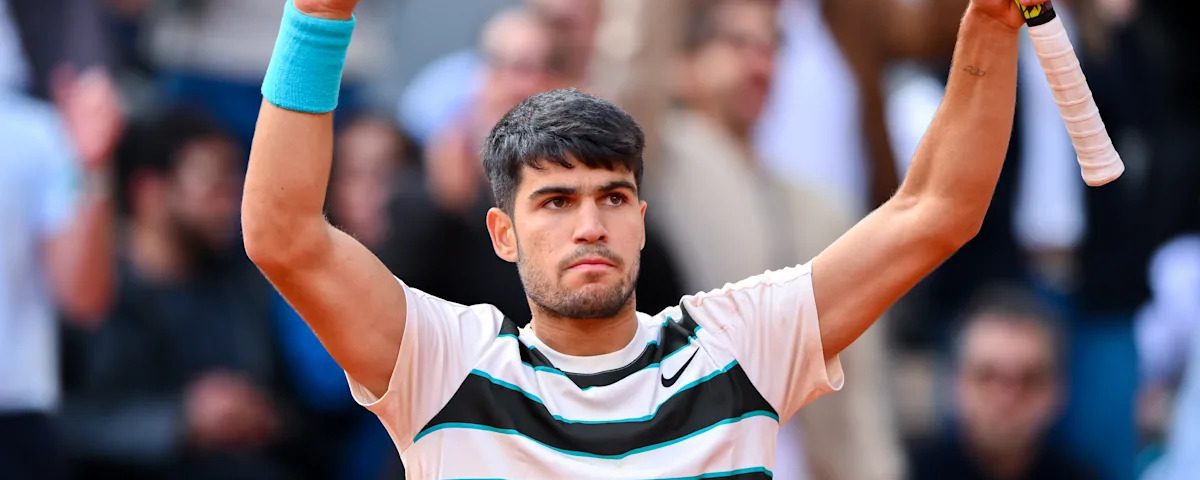
Grand slam Carlos Alcaraz, the reigning champion of the French Open, will miss the opportunity to defend his title at Roland-Garros in 2026 due to a significant wrist injury. The announcement, made on April 24, 2026, comes on the heels of his withdrawal from the Madrid Open, casting a shadow over his current health and future in the sport. This news not only affects Alcaraz but also reshapes the landscape of men’s tennis as players eye the prestigious grand slam title.
Grand slam: What You Need to Know
As one of the youngest stars to ascend the ATP rankings, Alcaraz’s absence from the French Open creates a significant tactical gap in the tournament. His explosive playing style and ability to dominate on clay have made him a formidable opponent, and the void he leaves will alter match dynamics for other contenders. The impact of this injury extends beyond just one tournament; it raises broader questions about injury management in professional tennis, especially at the grand slam level.
With Alcaraz sidelined, players like Novak Djokovic and Daniil Medvedev will likely see a surge in confidence as they pursue the title. Their contrasting styles present unique challenges that could reshape match strategies at Roland-Garros. Djokovic, known for his mental fortitude and adaptability, could exploit the absence of Alcaraz by taking control of key moments in matches. Meanwhile, Medvedev’s baseline aggression and strategic gameplay might provide him with a clearer path to advance deep into the tournament.
The WTA Tour’s landscape is also affected by Alcaraz’s injury in a broader sense. The interplay between ATP and WTA dynamics often influences player preparedness and match results. As elite players from both tours prepare for major tournaments, the ripple effects of one player’s absence can create new opportunities for emerging talents and seasoned veterans alike.
Tactical Breakdown: The Gap Created by Alcaraz’s Absence
Analysis & Key Takeaways
In the context of Roland-Garros, Alcaraz’s withdrawal opens a tactical void that other players will be eager to exploit. The Spanish player’s aggressive, all-court game is built on a foundation of exceptional footwork and a powerful forehand, particularly effective on clay. He has made a name for himself with his ability to dictate play and construct points with precision.
With Alcaraz out, players must recalibrate their strategies. For example, Djokovic’s defensive prowess and ability to counteract aggressive play can now be leveraged to full effect without the pressure of facing Alcaraz. The psychological element of matchups is also crucial; Djokovic’s history with Alcaraz always added an extra layer of intensity, which will be absent this year.
Additionally, Medvedev’s unique playing style, characterized by his unorthodox groundstrokes and strategic shot placement, could shine without facing a direct challenge from Alcaraz. Medvedev’s ability to engage in lengthy rallies and frustrate opponents may provide him with an advantage, especially against players who are less accustomed to facing such a style.
The implications of Alcaraz’s absence extend further as younger players, like Jannik Sinner, may find themselves stepping up in this vacuum. Sinner is an emerging powerhouse on clay and could seize the opportunity to make a deep run, potentially claiming his first grand slam title. His game, marked by aggressive baseline play and an improving net presence, could be well-suited to capitalize on the altered dynamics presented by Alcaraz’s injury.
As we look ahead to Roland-Garros 2026, the absence of Carlos Alcaraz serves as a stark reminder of the ever-present risk of injury in professional sports. While his youthful resilience may support a swift recovery, the unpredictability of injuries calls into question his ability to return to peak form quickly. The tennis community will undoubtedly be watching closely as Alcaraz navigates his rehabilitation journey and attempts to return to the competitive circuit.
Our view on Alcaraz's withdrawal from the 2026 French Open is multifaceted. While the immediate focus is on the tactical implications for this year's tournament, we must also consider the longer-term effects on his career trajectory. Injuries at a young age can lead to lingering issues, which may hamper his ability to reclaim his position at the top of the ATP rankings.<br />
Moreover, this situation highlights the increasing need for players and their teams to prioritize sustainable health management over short-term competition in a demanding sport like tennis. As the grand slam calendar continues to evolve, we may see an increasing emphasis on player wellness and recovery, shaping the future landscape of the ATP and WTA Tours.<br />
In conclusion, the tennis world is set for a dramatic shift in the dynamics of the 2026 French Open, and while Alcaraz's absence is a significant loss, it offers a unique opportunity for other players to step into the spotlight. How this absence is navigated by the remaining competitors will be a captivating story to follow as the tournament unfolds.
Source: Carlos Alcaraz to miss 2026 French Open due to wrist injury
Sports News Plus is a news aggregator. We do not own or claim rights to any images, videos, or source content featured on this site. All images and media are the property of their respective original owners and publishers. Article content is independently written based on publicly available news sources, which are credited and linked throughout. Full disclosure →