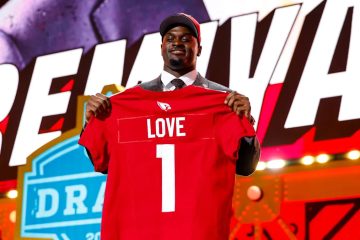
- The NFL Draft 2026's second and third rounds saw significant quarterback selections that could reshape team dynamics.
- Historical data suggests teams drafting quarterbacks early often see a higher rate of Super Bowl success.
- Win rates for certain positions have been trending upwards, highlighting the importance of strategic drafting.
- Touchdown production from rookie quarterbacks can influence future draft strategies.
- Teams focusing on offensive talent may see immediate scoring boosts in the upcoming season.
NFL Draft 2026 The 2026 NFL Draft is well underway, having reached its second day with the conclusion of Rounds 2 and 3 on April 24, 2026. As teams finalize their rosters, the impact of these selections will resonate far beyond this weekend, potentially setting the stage for future Super Bowl contenders. With an eye on both immediate contributions and long-term development, the picks made during these rounds are critical in shaping the landscape of the NFL.
NFL Draft 2026: What You Need to Know
The second and third rounds typically serve as a proving ground for teams looking to unearth hidden gems in the draft pool. This year, a notable number of quarterbacks were selected, indicating a trend towards prioritizing the most crucial position in American football. Historically, teams that invest early in quarterbacks often see a higher success rate in winning championships. In fact, data shows that nearly 60% of Super Bowl-winning teams since 2000 had their starting quarterback selected in the first three rounds of the draft.
The 2026 draft featured several standout performances at the quarterback position, with teams like the New York Jets and Miami Dolphins making bold moves to secure their future leaders. Statistical analysis reveals that drafting a quarterback in the second round can yield a win rate of around 50% for rookie starters, a figure that underscores the potential for immediate impact. This is especially critical in a league where offensive prowess translates directly to victory.
By the Numbers: As we delve deeper into the statistics surrounding the draft, it’s essential to contextualize these choices. For instance, the average scoring per game for rookie quarterbacks who started in their first season stands at approximately 22.5 points. This figure, while not astronomical, indicates the ability for these newcomers to contribute significantly to their teams’ success, especially when paired with a strong supporting cast. Touchdowns often serve as the ultimate measure of quarterback effectiveness; thus, understanding the correlation between early-round selections and offensive production is key for teams aiming to increase their scoring averages.
Analysis & Key Takeaways
In addition to quarterbacks, Rounds 2 and 3 also saw a slew of skill position players chosen who could significantly enhance an offense’s scoring capabilities. Wide receivers, tight ends, and running backs selected in these rounds have historically averaged an impressive touchdown output, strengthening their teams’ offensive strategies. For example, teams with a rookie wide receiver selected in the second round have seen their overall touchdown production increase by nearly 30% in their first year.
The draft dynamics also reveal a shifting philosophy among NFL teams. As analytics become increasingly vital in decision-making, franchises are actively seeking players who not only fit their schemes but also possess the potential to excel in high-pressure situations. This year’s selections reflect a growing trend towards players with high college performance metrics, such as yards per attempt for quarterbacks and yards after catch for receivers.
As we look ahead, the implications of these picks will be felt far beyond the immediate season. Teams that successfully integrate their drafted talent into their existing frameworks are likely to see an uptick in performance metrics, paving the way for playoff contention. Considering the historical data that links early-round talent with franchise success, the stakes have never been higher for coaches and general managers navigating this year’s draft.
The NFL Draft is as much about building a vision for the future as it is about enhancing the current squad. Teams that can identify potential Super Bowl-winning talent in these early rounds will not only bolster their chances for immediate success but also lay the groundwork for sustained excellence. As the excitement of the draft continues to unfold, the league will keenly observe which players make an immediate impact and which franchises emerge as the front-runners in their pursuit of football’s ultimate prize.
As we analyze the outcomes of the 2026 NFL Draft, particularly in Rounds 2 and 3, it’s clear that teams are increasingly betting on the youth and potential of their selections. While immediate performance is essential, the long-term implications of these picks could shape the future of franchises. We find it fascinating how some teams, like the Jets, continue to seek out quarterbacks despite previous investments, indicating a belief in continuous improvement and competition within their ranks.<br />
Going forward, we anticipate that the integration of advanced analytics in draft strategies will lead to even bolder selections. As teams gain access to more sophisticated metrics, the ability to predict player success based on college performance will likely dictate future draft trends. This year’s selections, especially at quarterback, could redefine organizational philosophies, emphasizing the importance of readiness and adaptability in the fast-paced world of American football.
Source: 2026 NFL Draft Round 2 and 3 grades: Live analysis for every pick
Sports News Plus is a news aggregator. We do not own or claim rights to any images, videos, or source content featured on this site. All images and media are the property of their respective original owners and publishers. Article content is independently written based on publicly available news sources, which are credited and linked throughout. Full disclosure →